In a digital age where data is often treated as disposable, Devin Stone of LegalEagle cuts through the noise to expose a critical legal blind spot: the catastrophic consequences of destroying electronic evidence. While internet forums are rife with amateur advice on evading subpoenas, Stone brings the weight of eleven years as a veteran litigator to bear on a Reddit post where an IT professional is ordered to scrub metadata to avoid legal scrutiny. This isn't just about technical workarounds; it is a stark warning about how the destruction of digital footprints can instantly collapse a legal defense and trigger severe sanctions against both corporations and the individuals who carry out the orders.
The High Stakes of Digital Discovery
Stone begins by dissecting the scenario presented by a user named "para illegal IT," who was instructed by a boss to delete metadata from files subject to a subpoena. The situation is dire. "If this person goes through and destroys that evidence that's called spoliation of evidence ie the destruction of evidence and as you can guess that is in fact illegal," Stone writes. He immediately reframes the user's panic into a legal reality check, noting that the boss's goal is likely to make document review difficult or to hide evidence of wrongdoing. This distinction is crucial; it shifts the narrative from a simple IT task to a potential cover-up.
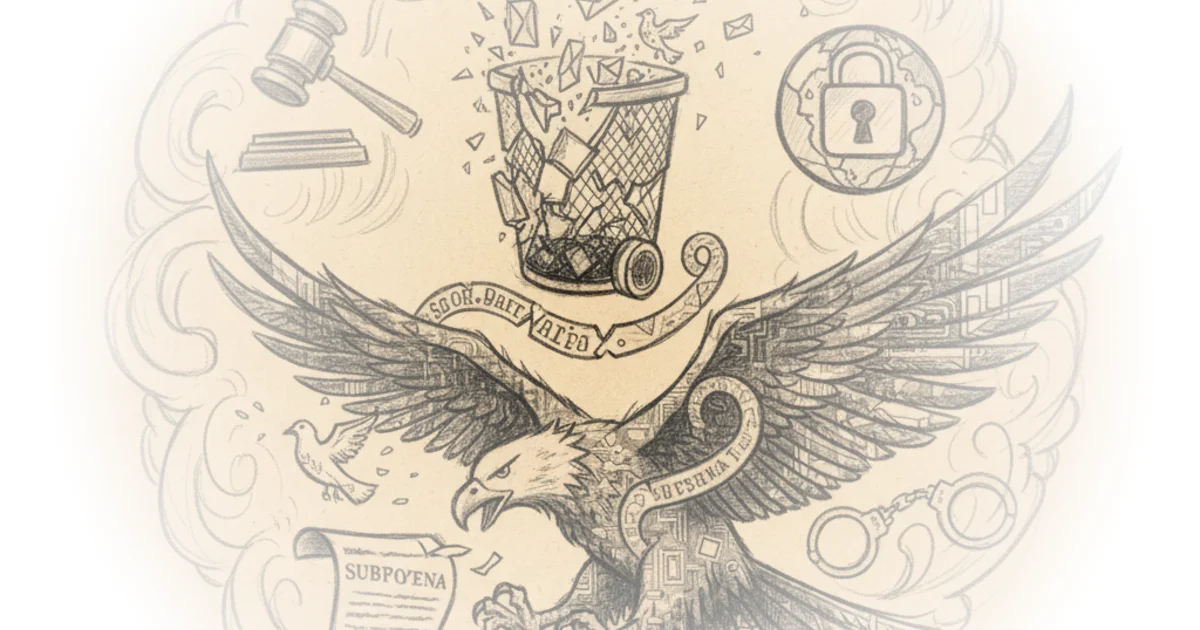
The commentary effectively demystifies the complex world of electronic discovery. Stone explains that while document requests used to mean physical paper, they now almost always involve electronically stored information, including metadata—the data about data. "The metadata can be incredibly important," he argues, "it can tell you when things were sent when things were received and it can tell you what's inside of the document itself." By stripping away the technical jargon, Stone illustrates why metadata is the backbone of modern litigation. Without it, emails become unsearchable images, and the ability to sort or verify the timeline of events vanishes.
Destroying the metadata could easily lead to sanctions by the trial court based on the assumption that the employer had something to hide.
Stone's analysis of the potential fallout is particularly sobering. He outlines three tiers of sanctions that a court could impose: inference sanctions, monetary penalties, and litigation-ending sanctions. The most devastating of these is the inference sanction, where the court assumes the destroyed evidence would have been harmful to the party that deleted it. "This would of course negate any advantage that the employer thought he might gain by destroying the data," Stone notes. This logic is sound and terrifyingly simple: trying to hide the truth often guarantees a loss. Critics might argue that not all destruction is malicious, but Stone correctly points out that the law generally penalizes willful or grossly negligent destruction, making the IT professional's compliance a high-risk gamble.
Navigating the Gray Areas of Compliance
The piece takes a nuanced turn when Stone reviews comments from the Reddit thread, specifically addressing the ambiguity of the boss's instructions. He highlights a comment from user "Schiphol 61" who asks whether the request is to permanently delete the data or simply remove metadata from the files being produced. Stone validates this distinction, noting that "if you are simply removing the metadata from the files before production it could be okay depending on the format in which the files have been subpoenaed." This is a vital clarification that prevents the reader from assuming all metadata handling is illegal.
However, Stone is quick to draw the line at permanent deletion. "If you have been instructed to permanently delete the metadata off of your computer or the company's computer such that it can never be recovered that's definitely spoliation of evidence," he asserts. The advice here is practical and protective. He suggests that the IT professional should get the instruction in writing, potentially copying corporate counsel, to create a paper trail. "The only thing better than doing the right thing is having a paper trail of doing the right thing," Stone writes. This strategy leverages the fact that lawyers generally prefer to avoid illegal activities under their watch.
The commentary also touches on the employee's leverage. Stone points out that many states have laws protecting employees who refuse to commit illegal acts. By documenting the boss's order, the employee transforms from a potential accomplice into a whistleblower with legal protection. This shifts the power dynamic significantly. While the Reddit user threatens to "walk out the door" or even "do a full win 10 reset on my personal PC," Stone's analysis suggests that a more measured, documented approach is the only path that doesn't lead to personal liability. The threat of the employee destroying company data in retaliation is dismissed as a counter-productive move that would only compound the legal disaster.
The Broader Implications for Corporate Governance
Stone uses the Uber litigation as a high-profile case study to ground his warnings in reality. He references the trade secret dispute where the destruction of text messages led to a negative inference against the company, effectively handing the victory to the plaintiff. "The plaintiff sort of staked to the outcome of the case on ubers destruction of text messages," Stone explains, demonstrating that spoliation is not just a theoretical risk but a proven litigation strategy for the opposing side. This example serves as a powerful deterrent, showing that the consequences of data destruction extend far beyond a single lawsuit.
The core of Stone's argument rests on the idea that the legal system has adapted to the digital age, and the courts are no longer easily fooled by attempts to bury evidence in technical complexity. "Courts are savvy to this now," he writes, noting that judges can see through tactics like burying opponents in physical paper or deleting digital metadata. The administration of justice relies on the integrity of the discovery process, and any attempt to undermine it is met with severe penalties. This framing elevates the piece from a simple Q&A to a broader commentary on the integrity of the legal system.
The correct method of dealing with [overly burdensome requests] is not to delete the documents and the information the correct way of dealing with that is called a motion to quash.
Stone's recommendation to file a motion to quash if a request is overly burdensome, rather than destroying data, provides a clear, legal alternative to the illegal path. This highlights a fundamental misunderstanding in the Reddit post: the IT professional believes the only options are compliance or rebellion, but the legal system offers a third, procedural option. This insight is the piece's most valuable contribution, offering a constructive solution to a seemingly impossible dilemma.
Bottom Line
Devin Stone's commentary succeeds by transforming a chaotic internet query into a masterclass on legal risk management, proving that the destruction of digital evidence is a losing strategy for anyone involved. The strongest element of the piece is its ability to distinguish between legitimate data formatting and illegal spoliation, offering a clear path forward for employees caught in the middle. However, the argument relies heavily on the assumption that the employee will successfully navigate the corporate hierarchy to get instructions in writing, which may not always be feasible in smaller, less compliant organizations. Readers should watch for how courts continue to refine the standards for electronic discovery, as the stakes for data integrity only grow higher in an increasingly digital legal landscape.