The Trump administration has delivered Europe a brutal message: the transatlantic alliance that defined post-World War II geopolitics is over. In its place is a transactional relationship where America demands Europe pay more for its own defense—or else.
JD Vance, America's vice president, delivered a twenty-minute speech at a security conference in Munich this week that left European leaders reeling. The core message: Europe's greatest threat isn't Russia or China—it's the retreat from fundamental democratic values happening within European borders itself.
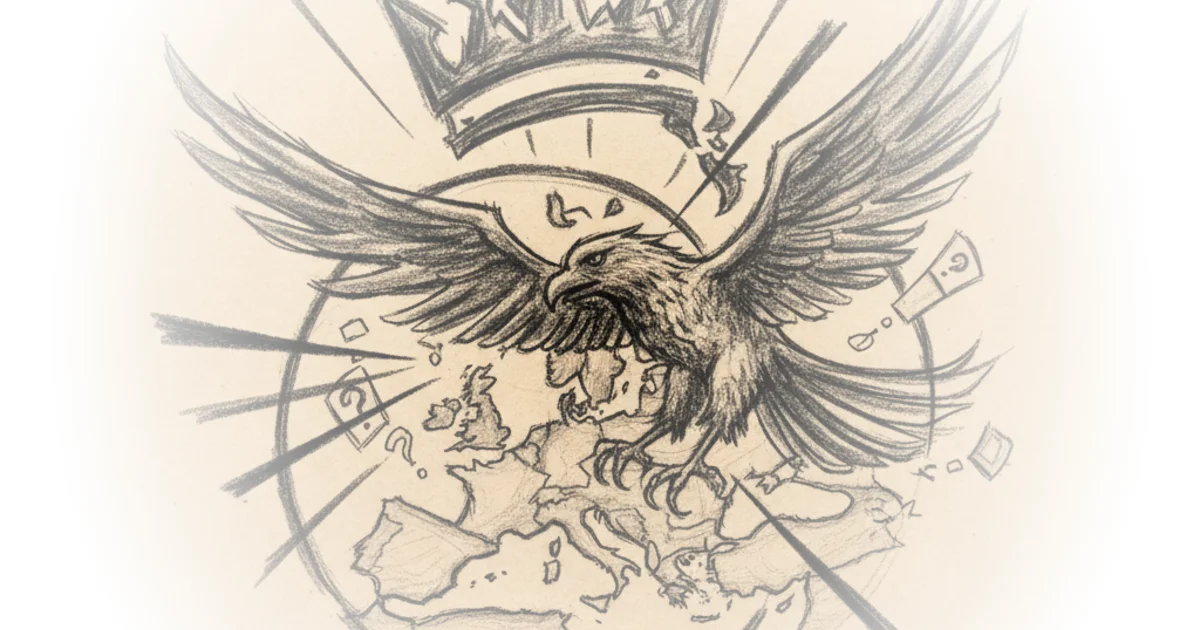
Vance explicitly warned that Europe faces a crisis of its own making. If European politicians run in fear of their own voters, America cannot help them. The implication was clear: Europeans must defend themselves, and they must do so by reclaiming sovereignty rather than relying on American security guarantees.
The speech touched on several controversial points. Vance cited Romania's December election cancellation—courts there halted the vote after determining a far-right candidate benefited from Russian-backed social media influence. He argued this undermines democratic principles and suggested similar cancellations could happen in Germany, where elections loom next month with the far-right AfD party polling strongly.
Vance also criticized European approaches to free speech, particularly criminalizing hate speech and banning religious protests outside abortion clinics—positions that sound jarring to American ears where First Amendment protections remain robust.
But the most significant shift involves Ukraine's future. The Trump administration has explicitly stated Ukraine will not join NATO. Any security guarantee must be backed by capable European troops deployed as part of a non-NATO mission, with no American soldiers on Ukrainian soil. This marks a definitive break from decades of transatlantic policy.
French President Emmanuel Macron responded by calling for Europe to develop an integrated defense-industrial base—what he calls strategic autonomy. The argument: Europe cannot simply become a bigger client of US weapons manufacturers. If Europeans want independent influence in the world, they must produce their own military technology.
German Chancellor Scholz has contradicted this new reality, stating Ukraine remains on an irreversible path toward NATO membership—a position increasingly difficult to defend given explicit American rejection.
The broader context matters: Europe effectively became a vassal of American security after World War II. Europeans now face a choice between developing independent military capacity or remaining dependent on transatlantic guarantees that may no longer exist. Critics might note that lecturing European leaders about democratic values while refusing to acknowledge Trump's 2020 election loss sounds deeply hypocritical—but the underlying strategic question remains valid.
Europe must decide whether to develop its own defense capabilities or continue relying on American security guarantees that now come with steep financial demands.