David Perlmutter delivers a surreal, satirical allegory where cartoon characters navigate bureaucratic infighting and a desperate rescue mission, using the absurdity of animated logic to dissect real-world institutional paralysis. The piece is notable not for its plot, but for its sharp critique of how ego, budget constraints, and rigid hierarchies sabotage necessary action, even when the stakes are the freedom of captured comrades.
The Cost of Bureaucracy
Perlmutter frames the conflict through Field Commander F. Finster, a character whose primary concern is procedure over people. When confronted with a plan to rescue captured members, Finster's immediate reaction is not strategic assessment but financial panic. "It was money that got us all into this, Bess," Finster argues, revealing a worldview where fiscal caution has calcified into moral cowardice. Perlmutter uses this exchange to highlight a common failure in organizational leadership: the inability to distinguish between prudent stewardship and paralyzing risk aversion.
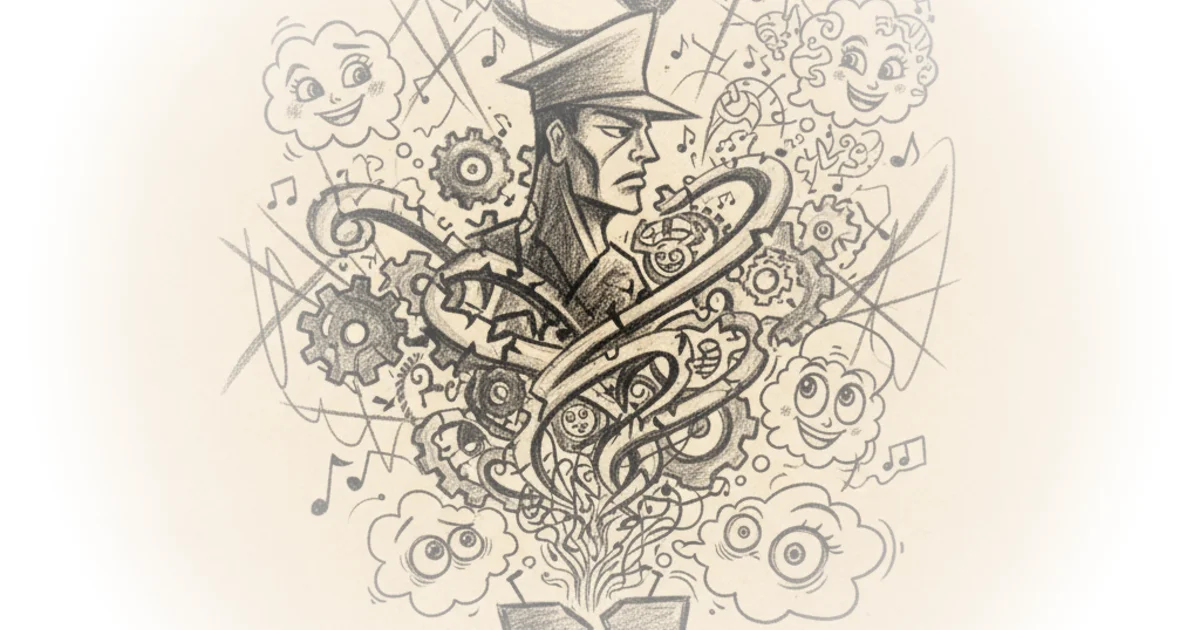
The author contrasts this with Captain B. Fishelman, who represents the disruptive force of necessary rebellion. Fishelman's frustration with the administration's inaction is palpable. "You lousy BITCH!" she shouts after her authority is undermined, a moment of raw emotion that Perlmutter uses to underscore the human cost of bureaucratic stagnation. The argument here is that when institutions prioritize their own comfort over the safety of their members, they invite chaos from within. This framing is effective because it strips away the polish of official rhetoric, exposing the petty squabbles that often derail critical missions.
Critics might note that the reliance on cartoonish vulgarity and hyperbole risks trivializing the serious themes of imprisonment and rescue. However, Perlmutter's choice of medium forces the reader to confront the absurdity of the situation without the buffer of grim realism.
"The only one around here who's insane is YOU, if you can't see the value in this idea!"
The Trojan Horse of Performance
The core of the narrative shifts to the rescue plan itself: a musical performance designed as a distraction. Perlmutter describes this as a "Trojan Horse procedure," where the band intends to lure guards away while the captured members escape. "It's far more feasible for us to stage a variety show for the boys in San Diego... than it would be for us to raid the city with bayonets drawn," Fishelman explains. This metaphor serves as a powerful commentary on the efficacy of soft power versus brute force. The author suggests that creativity and cultural engagement can sometimes achieve what military might cannot, a point that resonates deeply in an era of polarized conflict.
However, the plan is immediately threatened by external forces. When the group arrives in San Diego, they are met not with open arms but with suspicion and bans. Perlmutter writes, "Unfortunately, it seems someone had tipped off the Zoo about what we were planning... our presence was not welcomed." This detail introduces a layer of realism to the fantasy: even the most well-intentioned plans can be thwarted by leaks and political maneuvering. The narrative suggests that institutional resistance is often preemptive, designed to maintain the status quo rather than address the underlying crisis.
The group's decision to move to Coronado, a neighboring community with different regulations, illustrates the lengths to which activists must go to bypass obstruction. "Our ban on performing in San Diego did not extend to the nearby island community of Coronado," Lieutenant C. Flint notes, highlighting the patchwork nature of local governance. Perlmutter uses this geographic loophole to comment on the fragmentation of authority, where a solution in one jurisdiction is impossible in the next.
The Price of Guts
The climax of the piece involves the group's confrontation with local law enforcement, who demand a bribe to allow the performance. "What the hell is this?" the officer demands, a question that Perlmutter leaves unanswered, forcing the reader to sit with the ambiguity of the situation. The band's decision to pay the fee, despite their financial strain, underscores the high cost of dissent. "Fortunately, we had just enough scratch between us to make it happen," Flint remarks, a line that carries a heavy irony: the very system they are trying to subvert is now profiting from their resistance.
Perlmutter's choice to end the excerpt on this note of precarious success is deliberate. It refuses to offer a neat resolution, instead leaving the reader with the unsettling reality that justice often requires compromise with the very powers one opposes. The argument is that in a flawed system, purity is a luxury no one can afford.
Critics might argue that the narrative's reliance on a "bribe to the police" trope reinforces negative stereotypes about law enforcement without offering a nuanced alternative. Yet, within the context of the satire, it serves as a stark reminder of the barriers facing marginalized groups seeking to exercise their rights.
"If we won't do it, who will?"
Bottom Line
Perlmutter's allegory succeeds in using the fantastical to illuminate the mundane failures of leadership and the resilience required to overcome them. The strongest part of the argument is its unflinching portrayal of how institutional inertia can be more dangerous than the threat it claims to manage. Its biggest vulnerability lies in its reliance on caricature, which may alienate readers seeking a more grounded analysis of the issues at hand. Readers should watch for how the narrative resolves the tension between the band's idealism and the corrupt reality they face, as that resolution will determine whether the piece is a call to action or a lament for the impossible.