This piece captures a rare moment in British political discourse: two ideological opponents facing a live audience, each representing radically different visions for the UK's future. What makes this coverage notable is how effectively it frames the fundamental divide between zero migration and open borders — not as abstract theory, but as practical policy choices that will reshape people's daily lives.
Novara Media sets up the contrast sharply: "On the one hand, somebody who wants zero migration. On the other hand, somebody who wants broadly poorest borders, single market, rejoin the EU, um public ownership of rail, mail and water." This isn't just listing policies — it's painting a picture of two competing worldviews that will define the election.
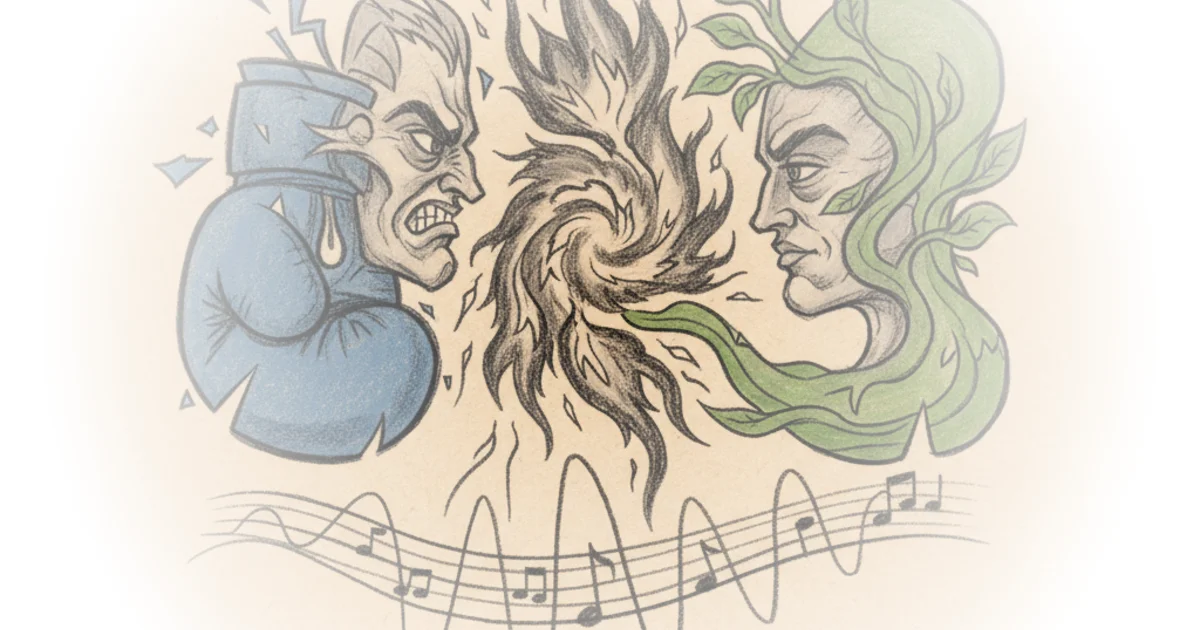
The broadcast frames this as "the final debate, but probably the biggest chance these two parties will have to make an impact between now and July the 4th" — particularly for Reform UK, which faces what Novara Media describes as "quite a difficult moment" given their current scandal involving comments caught on camera by Channel 4 News.
The Format Challenge
What makes this Question Time format particularly interesting is how it forces politicians out of their comfort zone. As the coverage notes, "I think that's going to make really interesting TV with Nigel Fraj. Him having to defend himself, not from quote unquote elite London journalists, but from the public." This shifts the dynamic entirely — constituents, not media professionals, are asking the tough questions.
The broadcast also highlights a strategic advantage for Adrian Ramsey: "I think this is really useful for him having a national political media moment because of course he's trying to win that constituency of Wave Valley. It's very close."
The Policy Debate Unfolds
When audience questions begin, the Green Party policies are tested directly. A question from Graeme Wallen about sacrifices required to meet pledges triggers detailed discussion of NHS access, dental care, and environmental crisis — with Ramsey asserting "We have an NHS which is severely overstretched, a social care system where people can't get access to the personal care they need."
The most substantive challenge comes on transportation policy. The exchange about electric vehicles reveals practical tensions: "What's your name? Right. Ryan, how much would you pay him for his petrol and diesel car?" — a question that cuts directly into whether Green policies are affordable for ordinary constituents.
People say to me all the time, you know, what can the UK do on climate change given what China is emitting? Well, what we can do is what we've done in the past. We can be patriotic. We can say we are going to lead the world into the green industrial revolution of the future with all the jobs that that will bring.
The debate about train versus flight pricing exposes a genuine policy failure: "It's more expensive to get the train, often substantially more expensive, isn't it, to get the train within the UK than it is to get a flight. And the flight is several times more environmentally damaging."
The Missing Context
What this coverage doesn't fully address is why these two politicians weren't on stage together — which would have made for "great TV" according to Novara Media. The format separates them, preventing direct confrontation. Additionally, while the broadcast references polling showing "the Tories out on three three seats lower than the Greens," it doesn't explore what that means for either party's electoral strategy or why voters might be uncertain about their preferences.
Counterpoints Worth Considering
Critics might note that framing this as a simple binary — zero migration versus open borders — oversimplifies complex policy positions. Both parties have nuanced positions beyond these headline contrasts. Additionally, the coverage doesn't address what happens if neither party's full agenda is implemented: where does that leave voters?
The broadcast also mentions "shy Tories in a general election" but doesn't explore whether the same dynamic applies to Green Party supporters — or whether their supporters are equally hesitant to express preferences publicly.
Bottom Line
This coverage effectively frames the fundamental choice facing British voters in 2024: migration policy, EU membership, public ownership of key services, and climate action. Its strongest move is showing how these abstract policies translate into practical questions about infrastructure, costs, and daily life. The biggest vulnerability is strategic — it describes what each side wants but doesn't fully explore what happens if neither wins decisively, or how the other parties (Conservatives, Labour) might respond to either of these candidates' agendas. The next hour of debate will test whether either politician can make the case for their vision more compelling than the other's.