Michael Macleod's latest dispatch from London Centric cuts through the noise of the upcoming May elections to reveal a quiet but significant realignment in the capital's political landscape. While the national conversation fixates on right-wing insurgencies, Macleod exposes a targeted, strategic campaign by the Green Party to siphon seasoned Labour councillors from the inner city, turning local governance into a high-stakes game of chess where loyalty is the most volatile currency.
The Green Defection Strategy
The core of Macleod's reporting is the revelation that the Green Party, under Zack Polanski, has moved beyond grassroots campaigning to actively poaching established politicians. This isn't accidental drift; it is a calculated "defection unit" designed to fill candidate gaps and borrow personal votes. Macleod writes, "There are two parts to its decision to embrace defections: boosting the sense of momentum behind the party in the media, while also attracting established local campaigners from other parties who might bring with them a loyal personal vote in individual council seats."
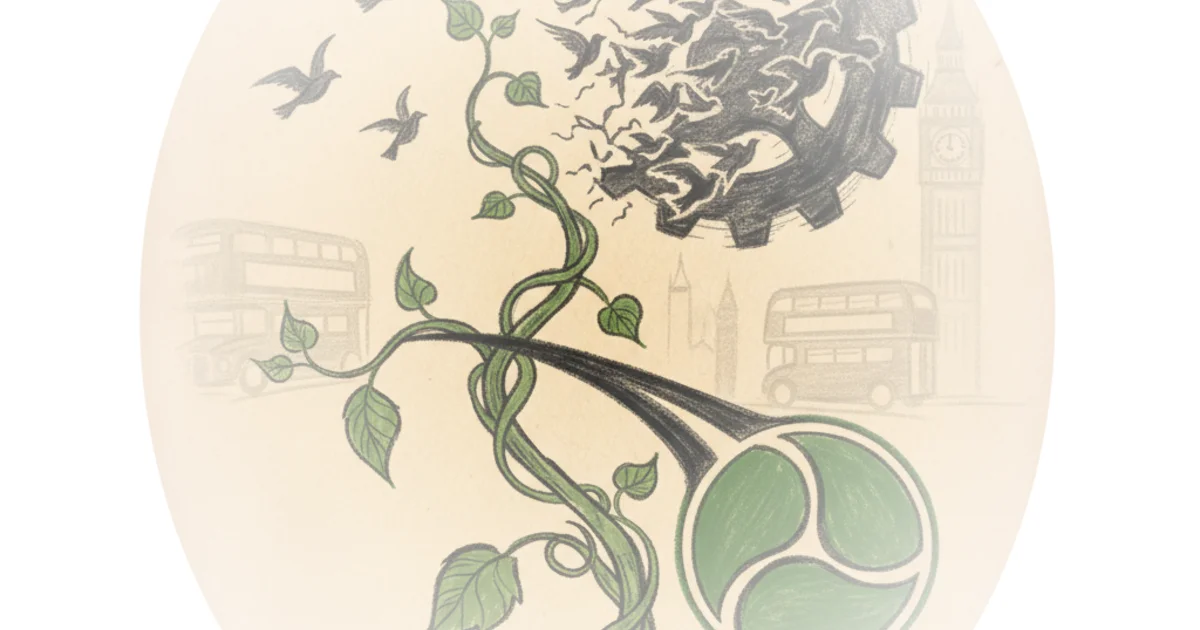
This strategy mirrors the aggressive, well-funded approach seen in Reform UK's push into outer London, creating a pincer movement on the Labour Party from both flanks. However, the internal mechanics of this recruitment are far more intimate and messy than a simple policy shift. Eugene McCarthy, chair of the London Green Party federation, explains to Macleod that the process relies on "person to person conversations" rather than institutional outreach, noting that "It builds more trust when these are person to person conversations, rather than person to opaque institution."
The human cost of this maneuver is immediate and bitter. Macleod captures the friction well, quoting McCarthy: "These are people they've been comradely with, they're now airing all the dirty laundry." The resulting hostility from Labour is palpable, with the party viewing these moves as a betrayal rather than a policy divergence. As Macleod notes, "They [Labour] are more hostile to us than to Reform," suggesting that the personal nature of these defections strikes a deeper chord than the ideological shifts seen elsewhere.
"They [Labour] are more hostile to us than to Reform."
Critics might argue that this focus on individual defections distracts from the Green Party's broader policy platform, turning local elections into a personality contest. Yet, in a system where candidate selection is often the primary battleground, Macleod's focus on the human element of political realignment offers a necessary corrective to dry polling data.
The Narrative of Opportunism
The article does not shy away from the counter-narrative: that these defectors are merely opportunists fleeing deselection or disciplinary action. Macleod presents Labour's defense with precision, quoting Dominic Twomey, the Labour leader of Barking and Dagenham, who dismisses the moves as "pure opportunism." Twomey argues that the councillors only crossed the floor after failing to secure reselection, stating, "They obviously felt very disgruntled at not getting through the selection process, and clearly that disgruntlement led them to going across to the Green Party."
This framing is crucial. It challenges the Green Party's narrative of moral awakening. In Southwark, the tension is even more acute, with Labour initiating disciplinary proceedings against defector Reggie Popoola for "abandonment of his duties." Popoola retorts that the party's claim of his incompetence is a preemptive strike to mitigate the political damage of his departure. Macleod highlights the toxicity of this environment, noting that in a leaked WhatsApp group, defectors were labeled "turncoats" by former colleagues. The article suggests that the Green Party's approval process—interviews, background checks, and national sign-off—is a desperate attempt to filter out these opportunists, yet the risk remains that their ranks could become "packed with ex-Labour councillors" seeking a lifeline.
Beyond Politics: A City in Transition
Macleod's piece is not limited to electoral maneuvering; it weaves in a broader tapestry of London's evolving infrastructure and social fabric. The coverage of Waymo's impending launch in the fourth quarter of the year highlights a shift toward premium, automated transport. Executives are confident that "people will love the robotaxis as soon as they get to try one," yet Nicole Gavel's admission that "We're bringing cars" raises questions about congestion in a city already struggling with gridlock. This technological optimism stands in stark contrast to the human tragedy at the Fold nightclub in Canning Town.
The Fold story is a grim reminder of the stakes in London's nightlife. Following the death of Haaris Bhatti, a coroner issued a stark warning: "In my opinion, there is a risk that future deaths will occur unless action is taken." The delay in calling an ambulance, attributed to a culture of fear regarding police scrutiny rather than individual negligence, underscores a systemic failure. Macleod connects this to the Nightlife Taskforce report, which notes that "Some nightlife businesses fear that taking harm reduction approaches will result in police scrutiny and legal consequences." This parallels the political hesitation seen in the election coverage; in both cases, fear of institutional backlash is preventing effective action.
Similarly, the dispute over Hampstead Heath cafes and the Prince Charles Cinema lease dispute reveal a city where long-standing community assets are under threat from corporate interests and legal fudges dating back to the abolition of the Greater London Council. The Prince Charles Cinema's description of negotiations as "beyond slow, at times close to a full stop" illustrates a bureaucratic paralysis that affects cultural life as much as political representation.
Bottom Line
Michael Macleod's reporting succeeds by exposing the gritty, personal mechanics behind London's political shifts, proving that the battle for the capital's future is being fought in coffee shops and WhatsApp groups as much as in council chambers. The strongest part of the argument is the unflinching look at the mutual hostility between Labour and the Greens, which reveals that the realignment is driven as much by personal grievances as by ideology. The piece's vulnerability lies in its heavy reliance on the Green Party's internal perspective, which may understate the validity of Labour's claims regarding opportunism. As the May elections approach, readers should watch whether these defections translate into genuine policy shifts or merely a reshuffling of the same entrenched local interests.