In a season saturated with algorithmic recommendations and corporate wish lists, Traci Thomas offers a radical alternative: a gift guide that prioritizes the removal of clutter over the accumulation of objects. Her argument is not merely about what to buy, but about the ethics of consumption in a year where financial strain is the norm rather than the exception. This is not a list of things to own; it is a manifesto for giving experiences that fade, services that sustain, and community support that outlasts the holiday rush.
The Philosophy of Disappearing Gifts
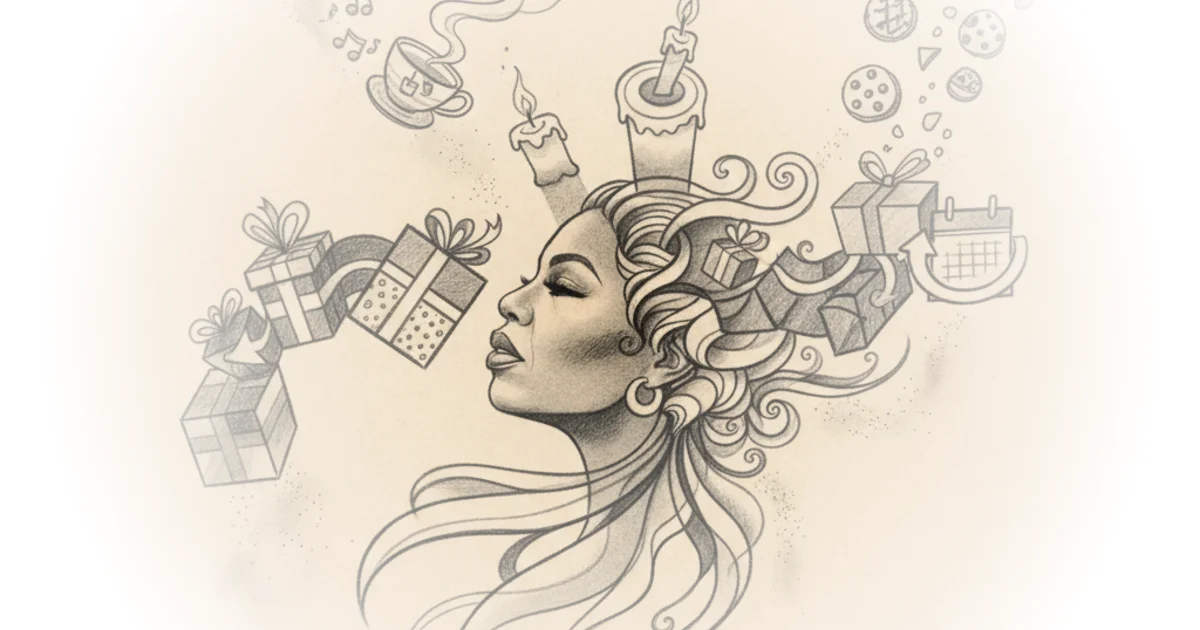
Thomas immediately reframes the concept of gifting by rejecting the permanence of physical goods. "What you'll find out about me and my gift-giving style is that I love a subscription, and I love a gift that disappears," she writes. This distinction is crucial. By championing items like candles, lotions, and consumable treats, she addresses the modern anxiety of space and ownership. The core of her argument is that a gift should not become a burden of maintenance or storage. "You're not saddling your recipient with stuff that takes up space in their lives," Thomas explains. This lands with particular force given the current economic climate; she explicitly notes, "It has been a hard year financially for many of us, so I am keeping that in mind here," steering readers away from big-ticket items toward thoughtful, accessible gestures.
"Subscriptions are perfect because they last beyond the season, so you get to treat your recipient long after everyone has moved on from holiday cheer."
This approach mirrors the enduring spirit of Giving Tuesday, which Thomas highlights as a strategic moment for impact. She reminds readers that "after Black Friday and Cyber Monday... there is Giving Tuesday, and lots of donations made that day are matched or tripled." By suggesting that holiday gifting can be a vehicle for charitable impact, she elevates the act from transaction to community building. A counterargument might suggest that physical gifts offer a tangible reminder of affection that digital subscriptions cannot match, yet Thomas's focus on the longevity of the subscription experience challenges that assumption effectively.
Supporting the Ecosystem of Reading
While the article is titled a gift guide, a significant portion is dedicated to the infrastructure of the literary world. Thomas makes a strategic choice to exclude books from her personal list, noting, "I didn't include any books this year, because this whole newsletter is just me recommending books like crazy." Instead, she pivots to supporting the venues where books live. She underscores the precarious financial reality of independent bookstores, stating that "Indie bookstores rely on holiday book sales to stay afloat — around 2/3 of their sales come in the last three months of the year."
This is not just a shopping tip; it is a defense of local economic ecosystems. Thomas urges readers to "Show some love to the businesses in your community that pay taxes, employ your neighbors, and create safe spaces for authors and readers to gush over books!" She specifically highlights Black, woman, and LGBTQIA+ owned stores like Reparations Club and Loyalty Bookstores, weaving social justice into consumer choices. This framing is particularly potent when viewed alongside the history of Oprah's Favorite Things, which famously catapulted small brands into the mainstream; Thomas applies that same spotlight to the often-overlooked indie sector.
Digital Detox and Intentional Living
Perhaps the most distinctive recommendation in the guide is the "Brick," a device that physically blocks smartphone apps. Thomas describes it as a tool that allows one to "listen to music you love while reading a book without feeling the urge to check Instagram 500 times." Her endorsement is rooted in personal experience: "I am so much happier on days I Brick." This recommendation cuts through the noise of typical tech gifts by advocating for the removal of technology rather than its addition. It is a rare instance in a consumer guide where the best gift is a limitation on one's own behavior.
"Having to physically tap your phone makes it a lot harder to override, which makes the Brick super effective."
The argument here is that true luxury in the digital age is the ability to disconnect. While critics might argue that such devices are gimmicks or that willpower should suffice, Thomas's practical approach acknowledges the design of modern apps which are engineered to be addictive. By pairing this with recommendations for print magazines—"there is nothing better than getting an actual magazine in the mail"—she champions tactile, slow media in an era of rapid digital consumption.
The Bottom Line
Traci Thomas's guide succeeds because it treats gift-giving as an act of curation rather than obligation, prioritizing the recipient's mental space and financial well-being over the giver's desire to impress. The strongest element is the consistent thread of supporting community infrastructure, from indie bookstores to local florists, which transforms a shopping list into a civic engagement strategy. The only vulnerability lies in the accessibility of some recommendations, such as the "big splurge" Clare V. purse, which may feel out of reach for those most affected by the financial hardships she rightly identifies. Ultimately, the piece serves as a necessary reminder that the best gifts are those that disappear, leaving behind only the memory of the gesture and the support of the community it sustains.