In a world obsessed with the next big thing, Brad DeLong offers a rare and sobering perspective: the future of technology was written in the wreckage of yesterday's bubbles. This piece is not merely an obituary for Om Malik; it is a masterclass in how to read the deep architecture of progress, arguing that true foresight comes from understanding the chips beneath the hype. DeLong frames Malik's life as proof that optimism, even when misplaced, often builds the infrastructure for tomorrow's reality.
The Architecture of Foresight
DeLong introduces Om Malik not just as a journalist, but as an analyst who could "see 18–24 months ahead" by reading the state of chips and networks. This is a radical departure from modern tech commentary, which often floats on strategy and surface-level trends. DeLong writes, "The thing is if the price of oil is going up, the obvious story is that the car sales are going to slide... but the Forbes story would be, 'McDonald's sales are going to slow down because there's fewer people on the freeway'." This top-down and bottom-up synthesis allowed Malik to predict industry shifts long before they hit the headlines.
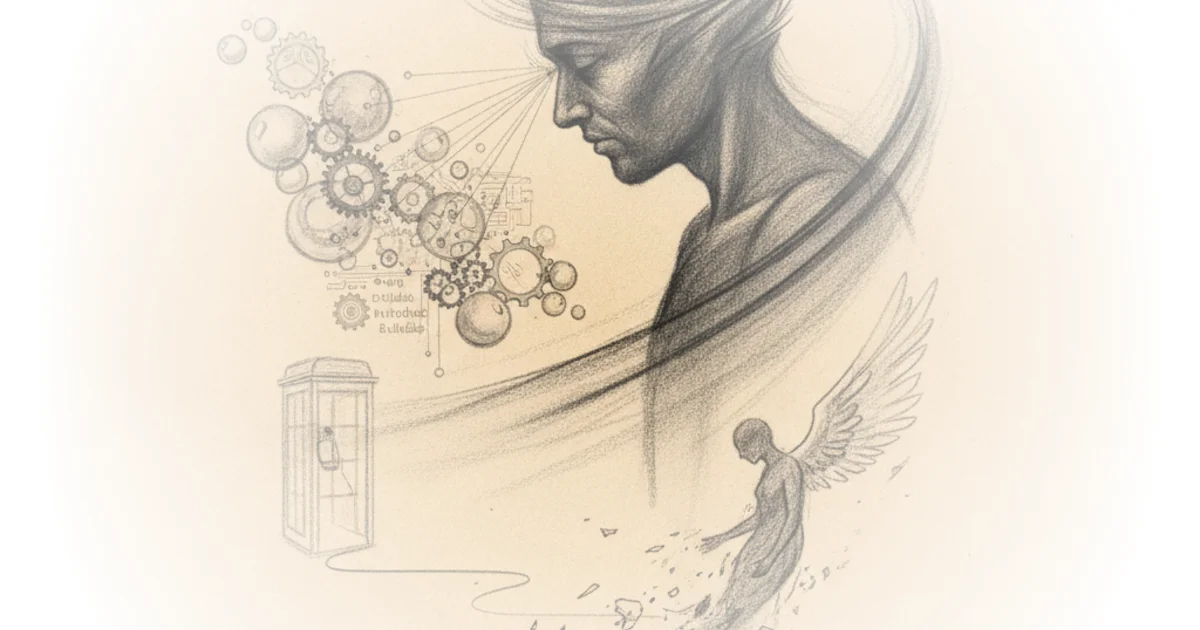
The argument gains depth when DeLong notes that modern journalism has lost this technical grounding. "We can think about, we are so surprised with OpenAI and AI and Vision Pro... People were doing asynchronous low power, ASICs... it became pretty obvious where the world was going to be 18-to-24 months from now," DeLong observes. The shock of today's AI boom is unnecessary if one understands that the hardware signals were flashing green years ago. Critics might argue that this focus on hardware determinism underestimates the role of regulatory shifts or cultural adoption, but the historical record suggests that physical constraints often dictate the pace of innovation more than policy does.
If you don't understand the stack, you don't know what next 24-to-48 months look like. At least you have a map of where we might just be going.
Bubbles as Philanthropy
Perhaps the most provocative claim in DeLong's commentary is his reframing of the dot-com and telecom crashes. Rather than viewing them purely as failures, he suggests they were acts of collective investment that built the foundation for the modern internet. "The dot-com and telecom bubbles built foundational infrastructure (dark fiber, broadband, cloud stack) that enabled today's world—that we should think of irrationally exuberance in tech as philanthropy," DeLong posits.
This perspective draws a fascinating parallel to other historical moments of massive, seemingly wasteful investment. Much like the Enron scandal revealed the dark side of deregulated energy markets while simultaneously highlighting the complexity of grid management, or how the WorldCom scandal exposed accounting fraud yet underscored the critical need for transparent telecom infrastructure, these tech bubbles left behind physical assets that outlasted the financial wreckage. The fiber-optic cables laid in the ground during the late 90s, once deemed a folly, became the backbone of the cloud era.
DeLong captures Malik's personal journey from a boy in India who had to walk half a mile for a phone call to a Silicon Valley insider, noting how that lack of communication shaped his worldview. "Communication made my world much smaller," DeLong quotes Malik as saying, highlighting how technology is fundamentally about shrinking distance and time. This human element grounds the technical analysis, reminding readers that every chip and network protocol serves a profound social function.
The Optimist's Edge
The commentary concludes by examining the psychological toll and reward of being an optimist in tech. DeLong writes, "When you grow up in a Third World country, optimism is not something you're born with... When you come to the US, you are surrounded by optimism." This cultural clash produced a unique lens through which Malik viewed the industry's excesses.
DeLong argues that while journalists are trained to be cynical, entrepreneurs must bet on the future. "The reality of now and the reality of tomorrow... they're never in sync," DeLong notes, explaining why bad ideas often precede good ones. The pet food delivery services of the 90s were ridiculed then, yet they validated the logistics networks that make modern e-commerce possible. This tension between immediate skepticism and long-term belief is where true progress happens.
All the ideas ended up coming true. The timing ended up being a bit off for a whole bunch of them. But there's the reality of now and the reality of tomorrow and they're never in sync, they never are and they never will be.
Bottom Line
Brad DeLong's tribute succeeds by elevating Om Malik from a mere observer to a prophet of infrastructure, proving that understanding the physical layer of technology is the only reliable way to navigate the future. The piece's greatest strength is its reframing of historical failures as necessary investments, though it risks underplaying the human cost of those bubbles on individual investors and workers. For busy leaders trying to anticipate the next shift, the takeaway is clear: stop looking at the headlines and start reading the chips.