Shiovani Howe is doing something that most poetry education ignores entirely: she's teaching people how to live as writers, not just how to write.
In her upcoming lecture for Verse Community in December, Howe challenges the way we think about creative lives. She argues that the writer's life isn't defined by whether anyone reads your work, whether you get published, or whether you earn money from words. Those are the small pieces—moments frozen in time—while everything else is the living process.
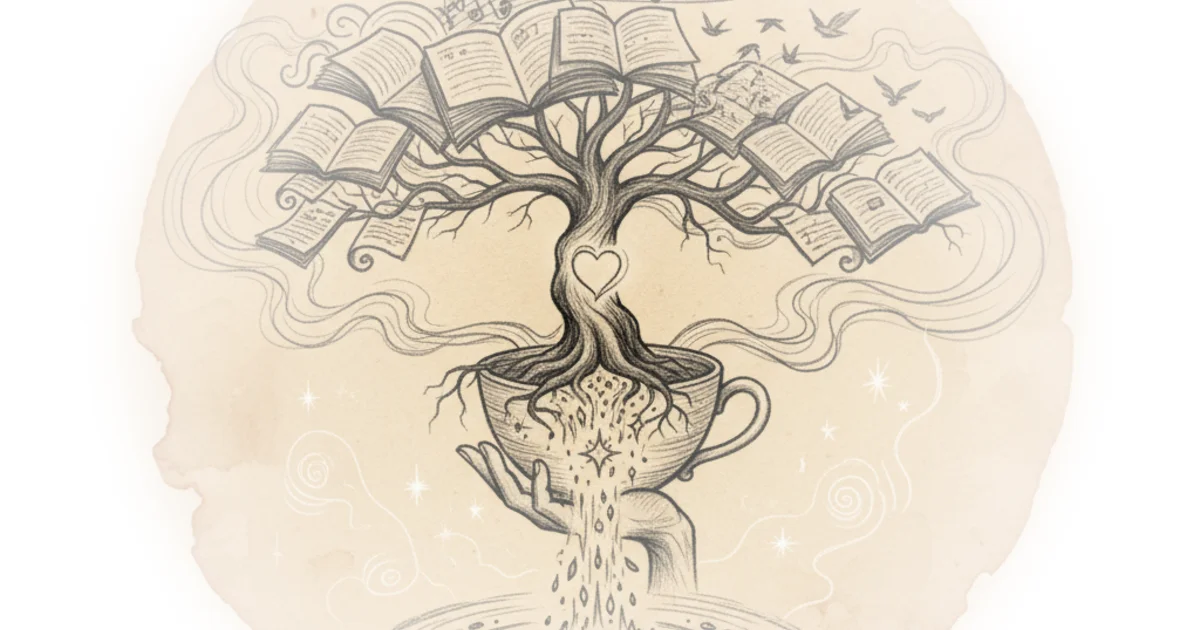
Howe draws on poets across centuries—from Wordsworth to contemporary voices like Jane Hirschfield and Louise Glück—to explore what it actually means to call yourself a writer. Her answer: it's an orientation to the moment, a way of witnessing your own life consciously.
The product is a very small part of the writer's life. The writing is a very small part of the writer's life. And it's all those other things that create a writer's life.
Beyond Product Versus Process
The academic study of poetry and the MFA creative side have operated in isolation for too long. That's the gap Howe wants to close—not by choosing between analysis and creation, but by weaving them together.
Her lecture promises something simple but radical: permission, courage, and curiosity. These three qualities, she argues, start the creative juices flowing regardless of whether you write poetry, paint, or garden. A creative life offers richness that doesn't depend on outcomes.
Critics might note that focusing exclusively on process risks minimizing the very real value of craft development, feedback, and publication. The tension between nurturing creative presence and building technical skill remains unresolved in her approach.
What People Get Wrong
Howe's own journey into writing revealed something she sees repeated in every student she coaches: the obsession with product over process. People assume being a writer means having published work, having readers, having income. They see the finished thing as what defines a creative life.
But that's backwards. The actual work of writing—the daily practice, the relationship to your own voice, the way poems change you—happens in the moments between publication deadlines and reviews.
When students ask what they'll gain from this lecture, Howe points to three things: permission to begin, courage to continue, and curiosity about what might emerge. These aren't just creative skills. They're a philosophy for living.
The Self-Doubt Question
Every human carries self-doubts about ability, value, and worthiness. Writers face these doubts constantly—moments when everything feels like "complete hogs," as Howe puts it, when nothing seems worthy of another look.
But here's what she's learned: even in those moments, she likes who she is while writing. The poem might be terrible. She might abandon it for six months, come back, discard it entirely. But the experience of being present to herself in that moment—that's the thing worth pursuing.
Her prayer for every student: let the poem change you. Be in service to what the poem wants to become, not what you think it should be.
Bottom Line
Howe's lecture reframes writing as an act of witness rather than achievement. That's genuinely useful—it addresses the quiet desperation most creative people feel about their work without requiring them to "produce" anything.
Her biggest vulnerability: this philosophy can sound like anti-professionalism. The world values published work, paid gigs, recognized names. She sidestepped that tension rather than resolving it—but maybe that's the point. The writer's life isn't about becoming a professional. It's about joining the dots of a life you actually want to live.
This is your sign if you've ever wanted to practice poetry, find your voice, or reconnect with how creative lives feel from the inside.