Devin Stone doesn’t just report a courtroom victory—he exposes how law enforcement weaponizes civil lawsuits to punish dissent. His most startling revelation? That seven deputies sued a comedian for $4 million over a lemon pound cake joke, revealing a quiet epidemic of SLAPP suits targeting critics of police power. In an era where free speech faces unprecedented pressure, this case isn’t niche—it’s a litmus test for whether satire can survive when cops become plaintiffs.
The Raid That Backfired
Stone opens with surgical precision on the absurdity of the raid itself: "An Ohio sheriff's department picked the wrong fight. About 3 years ago, they raided the home of the rapper Afroman, broke his beloved front gate, and kicked down a charming side door." He meticulously documents the disconnect between the warrant’s grave allegations—"drug trafficking and kidnapping"—and the reality: no drugs, no victims, not even a basement dungeon. The core of his argument lands because he lets the facts humiliate the deputies: they confiscated cash earned from gigs, destroyed property, then refused to repair it, with one officer laughing as he told Afroman, "We're not required to do that." Stone smartly highlights Afroman’s visceral response as a Black man confronting systemic indifference: "I asked myself as a powerless black man in America, what can I do? And only thing I could come up with was make a funny rap song about him and make some money." This isn’t just backstory—it’s the thesis. The Lemon Pound Cake video (with its 3.7 million views) wasn’t mere comedy; it was a constitutional act of self-defense.
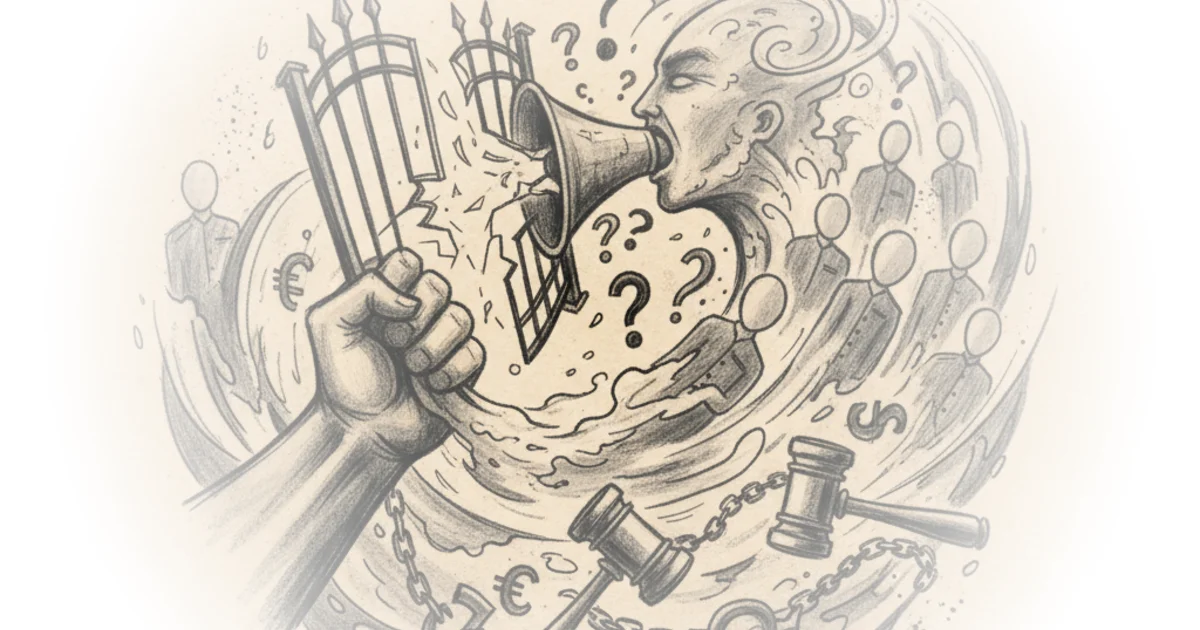
Critics might note that viral mockery can escalate real-world harassment, like the pound cakes mailed to deputies’ workplaces. But Stone wisely sidesteps that rabbit hole, focusing instead on the legal overreach: suing over satire isn’t about safety—it’s about chilling speech.
Why the Lawsuit Was a Legal Long Shot
Stone’s legal analysis cuts through the noise by anchoring everything to falsity. He writes: "The key point is that defamation is anchored in falsity. It's not enough that speech is embarrassing, insulting, or critical." This is where his commentary shines—he dismantles the deputies’ case by contrasting Ohio’s defamation law with the First Amendment’s ironclad protection for parody. When Stone explains that "saying cops are crooked or corrupt is opinion," he’s not editorializing; he’s citing Supreme Court precedent from the Hustler Magazine v. Falwell case, which shielded even the most outrageous satire. His clearest insight: Afroman’s video didn’t invent facts—it spotlighted real footage of an officer gawking at a cake, then added a joke label ("Officer Poundake"). As Stone puts it: "That’s not a factual claim. It’s a joke, a characterization, the kind of exaggeration the First Amendment protects."
"When the government kicks down your door, the constitution protects your right to say you don't like it."
Stone’s only vulnerability here is strategic: he barely addresses why a judge initially allowed the case to proceed. A sharper take would confront how local courts often bend to law enforcement—a blind spot for his otherwise airtight constitutional argument.
The First Amendment’s Uncomfortable Power
Stone elevates this beyond one rapper’s win by framing it as a frontline battle against authoritarianism. He notes the ACLU’s amicus brief calling the lawsuit "a classic SLAPP suit," but his real contribution is showing how parody becomes political armor. When he observes that "the judge is overlooking the very big elephant in the room," he’s not just critiquing the ruling—he’s warning that dismissing satire as "merely offensive" risks eroding free speech for everyone. His analysis of false light claims is particularly vital: he clarifies that even "misleading impressions" require actual malice, meaning critics can’t be sued just because their art stings. This lands because Stone connects legal doctrine to cultural stakes—South Park mocking Trump or Hustler lampooning Falwell aren’t just edgy; they’re constitutional necessities.
Bottom Line
Stone’s triumph is exposing how easily police weaponize civil courts to silence critics—a vulnerability our democracy can’t afford. His biggest risk? Underestimating how local judges, not lofty Supreme Court precedents, decide these battles. Watch for more SLAPP suits targeting protest art as bodycam footage goes viral.