Cory Doctorow doesn't just analyze the 2024 election; he diagnoses a fatal strategic error in how the American left defines "change." While most commentary fixates on personality clashes, Doctorow argues that the Democratic establishment's refusal to challenge corporate power created a vacuum that allowed for a fascist takeover, leaving the nation fighting merely to preserve the next election rather than to win it.
The Pizzaburger Presidency
Doctorow's central thesis dismantles the idea that the Biden administration was a failed attempt at progress. Instead, he frames it as a deliberate strategy of mediocrity designed to keep opposing factions equally unhappy. He writes, "Biden and his team viewed the presidency as an institution for making sure everyone was equally unhappy, a philosophy that Anat Shenker-Osorio calls 'pizzaburger politics.'" This analogy suggests a leadership style that serves a hybrid of pizza and burgers to a family split between the two, ensuring no one gets what they actually want.
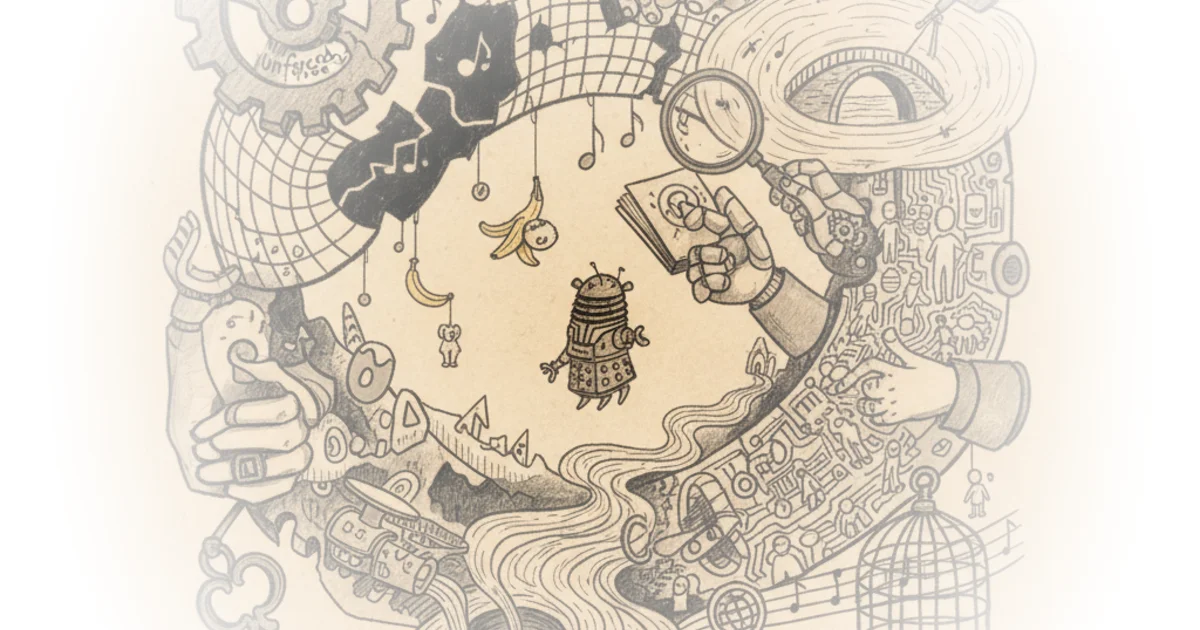
The author illustrates this with the administration's approach to drug pricing. While the public paid exorbitant rates for pharmaceuticals developed largely with public funding, the administration's solution was a "Build Back Better" plan that allowed Medicare to negotiate only a handful of prices, and only after the 2024 election. Doctorow notes, "This is a solution that pleases no one — and that's the point." By delaying tangible benefits, the administration neutralized the political momentum of a policy that could have been a massive victory. Critics might argue that incrementalism is the only path to passing legislation in a divided Congress, but Doctorow contends this approach simply cedes the ground to more aggressive actors.
Biden prided himself on running a pizzaburger presidency, in which every move that satisfied the left of his party was neutralized by a concession to the party's right wing establishment.
This dynamic extended to the administration's relationship with corporate power. Doctorow points out that while the President appointed talented antitrust enforcers like Lina Khan and Jonathan Kanter, he simultaneously appointed lifetime judges who blocked their efforts. The result was a government that "worked at cross-purposes to itself, neutering its boldest initiatives, rendering them impotent." The failure to use the "bully pulpit" to rally public support against judicial obstruction is presented as a critical missed opportunity.
The Mirror World of Progressivism
Doctorow leans heavily on Naomi Klein's concept of the "mirror world" to explain the fracture within the progressive coalition. He argues that liberals and leftists, while sharing surface-level goals, have fundamentally different visions for equality. "For liberals, an equal world is one that fixes the problem that 150 straight white men own everything by replacing 75 of them with racialized people, women and queer people (whereas the leftist fix is abolishing the system in which 150 people own everything)." This distinction is crucial: one seeks representation within the existing hierarchy, while the other seeks to dismantle the hierarchy itself.
The administration's attempt to bridge this gap resulted in a policy paralysis that Doctorow describes as "pizzaburger politics" in action. He argues that the Harris campaign, by failing to campaign on the administration's record of reining in corporate power, effectively told voters it was "all of the above, minus the mental decline and the antitrust." This refusal to articulate a muscular vision of governance left voters without a compelling reason to turn out, other than fear of the opposition.
You don't do that by telling them to oppose Trumpismo — you get them out in the streets by giving them something to support.
The author contrasts this meekness with the aggressive, if dangerous, energy of the opposition. While the administration tinkered in the margins, the opposition staged a "fascist takeover." Doctorow warns that the American people have "comprehensively rejected" the politics of "America is already great," a slogan that ignores the reality of a country driven into a ditch by a coalition that prioritized compromise over results.
Echoes of the Mirror World
The piece's "Object Permanence" section serves as a historical anchor, reminding readers that these struggles are not new. Doctorow references a 2001 link about Denmark legalizing music trading, a precursor to the modern fight against digital enclosure. He also notes a 2006 report on the Vatican astronomer denouncing creationism as "paganism," highlighting how long the battle between institutional dogma and scientific reality has raged. These historical breadcrumbs connect the current political malaise to a longer timeline of institutional failure and public resistance.
The commentary also touches on the "Enshittification" of platforms, a concept Doctorow has developed extensively. He notes that the failure to address copyright filters and wage theft has led to a digital environment where "copyright filters lead to wage-theft." This connects the broader political failure to the specific mechanisms of corporate control that erode worker rights and consumer choice.
Americans are sick of being told that their politicians can't do anything because "they're not the Green Lantern."
Doctorow's argument is that the Green Lantern metaphor is a self-fulfilling prophecy used to justify inaction. By claiming they lack the power to effect change, politicians ensure they never exercise it. The alternative, he suggests, is "constitutional hardball" and a mobilization of millions who are given a positive vision of what a government can achieve.
Bottom Line
Doctorow's most powerful insight is that the rejection of the status quo was not a rejection of progress, but a rejection of a specific kind of hollow, compromise-driven governance that promised nothing fundamental. The argument's greatest strength is its refusal to excuse the administration's failures as mere bad luck, instead framing them as a strategic choice that left the door open for authoritarianism. However, the piece offers less clarity on how a fractured coalition can realistically unite around a bold, anti-corporate agenda without alienating the very voters needed to win. The path forward requires more than just opposing the opposition; it demands a radical reimagining of what a government can and should do.