jaime brooks delivers a piercing critique of Sarah Wynn-Williams' memoir, exposing how a personal narrative of trauma and idealism curdles into a geopolitical pitch for conflict. The piece's most startling claim is that the former Facebook executive's primary grievance isn't about privacy or polarization, but rather a conviction that the tech giant is too soft on Beijing, effectively rebranding a whistleblower's account as a recruitment tool for the military-industrial complex.
The Paternalism of Media Architects
The commentary opens by drawing a parallel between John Reith, the founder of the BBC, and modern media creators who claim to build the world they wish they had as children. Brooks notes that this impulse is inherently paternalistic. "Isn't 'I want to make the stuff I wish was there for me when I was younger' kind of a paternalistic statement, too, though?" she asks, forcing the reader to confront the ego behind the altruism. This framing is crucial because it sets the stage for Wynn-Williams' own journey: a desire to fix the world's broken infrastructure, which she believes she can do better than the market or the state.
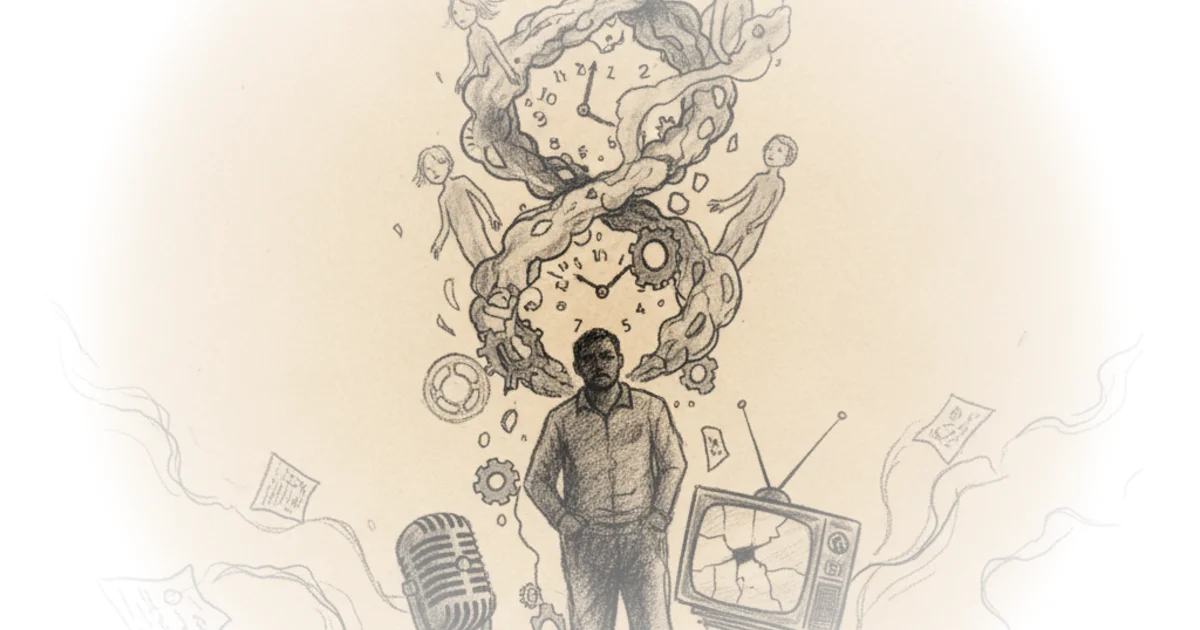
The author argues that when power is handed to someone who believes children need protection, the result is a paternalistic state. But what happens when that power goes to someone who believes in unbridled market competition? Brooks writes, "What happens if you hand that kind of power to someone who doesn't believe that children should be protected from anything?" This question cuts to the core of the tech industry's philosophy, suggesting that the lack of guardrails is not an accident but a feature of a worldview that prioritizes speed over safety.
If we all believed that markets are the most honest and accurate representation of human wants and needs available, wouldn't we just trust the market to shape the future of media?
From Shark Attack to Self-Reliance
Brooks then pivots to Wynn-Williams' origin story, a near-fatal shark attack in New Zealand that left her with severe internal injuries and no immediate access to emergency services. The author highlights the isolation of the event: "There was no lifeguard on duty to help Wynn-Williams after the shark almost killed her. There was no one around at all, actually." This trauma forged a belief system centered on self-reliance and the desperate need for better infrastructure. When her family told her she was lucky to be saved, she wrote back in bold letters: "I SAVED MYSELF."
This anecdote is powerful, but Brooks suggests it also reveals a flaw in Wynn-Williams' logic. The drive to build systems that prevent such tragedies is noble, yet it fuels a belief that she alone can fix global problems. Brooks paraphrases the author's frustration with the United Nations, where Wynn-Williams felt she was "wasting her twenties toiling long hours with a collection of bureaucrats." Instead, she turned to Facebook, convinced that the platform could transform society faster than any government. The problem, Brooks implies, is that this speed came at the cost of accountability.
Critics might note that the comparison between a shark attack and the complexities of global diplomacy is a stretch, but Brooks uses it effectively to show how personal trauma can distort professional judgment. The need to "save herself" became a mandate to save the world, regardless of the consequences.
The Pivot to Geopolitics
The most damning part of Brooks' analysis is the revelation that Wynn-Williams' memoir is less about holding tech leaders accountable and more about positioning herself as a hawk in the U.S.-China rivalry. Brooks writes, "Essentially, Sarah Wynn-Williams is now a professional China hawk. Her job is to come up with arguments about how conflict with China is imminent, inevitable, or otherwise desirable that lobbyists can then use to put pressure on actual policymakers."
This reframing is devastating. The book's central argument, according to Brooks, is not about the harms of social media but about Mark Zuckerberg's alleged betrayal of American interests. "To the extent that Careless People has a thesis, that's it," Brooks asserts. The author points out that Wynn-Williams has filed shareholder resolutions and testified before the Senate, claiming that Facebook's open-source AI models have "contributed greatly to Chinese advances in technology like DeepSeek."
The chapters she devotes to the subject are so painfully pedantic and finger-waggy that it feels like they were ghost-written by bored McKinsey interns, not a whistleblower with actual skin in the game.
Brooks suggests that the personal animus Wynn-Williams feels toward Zuckerberg is being weaponized to serve a broader geopolitical agenda. The memoir becomes a vehicle for promoting military build-up and international alliances that would benefit Wynn-Williams' new career. This is a sharp critique of how personal grievances can be laundered through public policy debates.
A counterargument worth considering is that Wynn-Williams' concerns about AI and national security are valid, regardless of her personal motivations. However, Brooks effectively argues that the timing and tone of her testimony suggest a calculated move to advance a specific political narrative rather than a genuine whistleblower's plea.
Bottom Line
jaime brooks' commentary is a masterclass in peeling back the layers of a public narrative to reveal the self-interest underneath. The strongest part of the argument is the exposure of how a story of personal survival was repurposed to advocate for a hawkish foreign policy. The biggest vulnerability, however, is the potential dismissal of legitimate national security concerns as mere careerism. Readers should watch for how this narrative influences future Senate hearings on tech and AI, as the line between whistleblower and lobbyist becomes increasingly blurred.