The piece begins with a sharp observation: Channel 4 gave Jalilei twenty-five minutes of airtime despite him openly admitting he doesn't represent the Iranian people. That's the central problem the author identifies — and it's more revealing than it initially sounds.
The Problem With Platforming One Voice
Jalilei appeared on Channel 4 claiming to amplify voices from inside Iran, but he's been a vocal supporter of U.S. and Israeli bombing campaigns targeting the country. He openly hopes the Islamic regime will fall through military intervention. When pressed about representing Iranian views, he admitted he's simply quoting people he's seen online — not a representative sample.
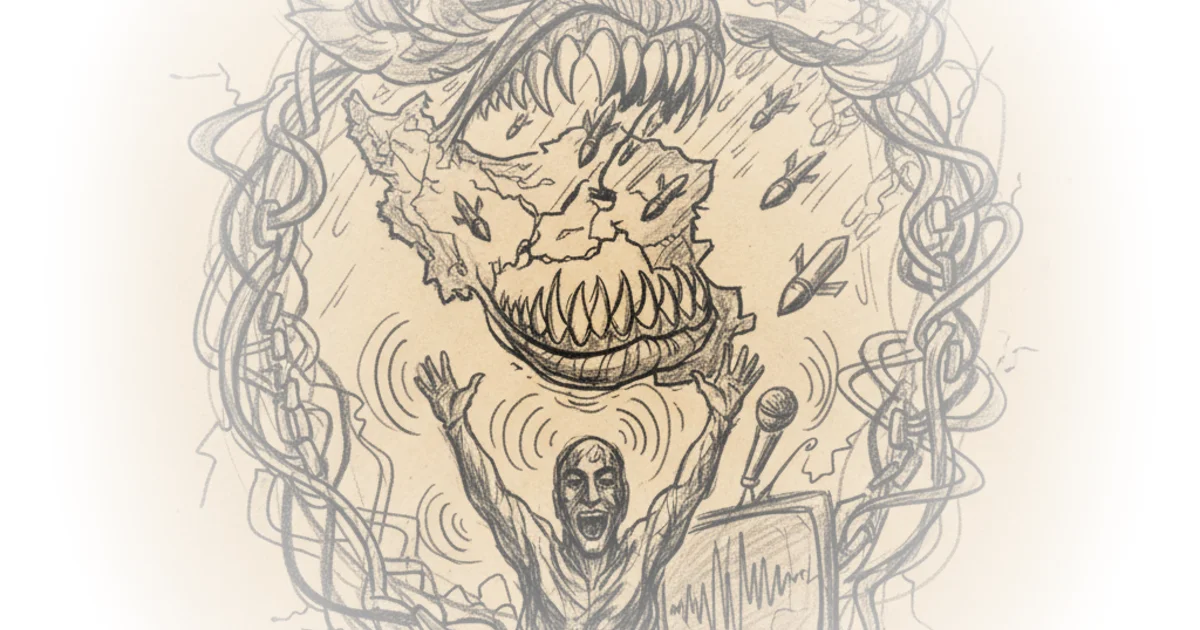
The author argues this matters because Jalilei's claims are being presented as authentic Iranian sentiment when they're actually just his social media feed. The interview gave him uncritical coverage despite him promoting conspiracy theories about the Iranian regime blowing up schools to blame Israel — a claim the Pentagon has disputed.
He's essentially doing a Sandy Cook conspiracy theorist false flag brain meltdown over a very recent massacre of young girls in Iran.
The piece notes Jalilei's history as an anti-war documentary filmmaker, which makes his support for bombing seem contradictory. But the author suggests this reveals something deeper about how media covers conflicts involving non-white nations — where war somehow feels acceptable when it targets countries of the global south.
The Bombing Campaign Question
The author directly challenges whether military intervention actually improves conditions for ordinary Iranians. He points to Libya, Iraq, and Afghanistan as examples: removing authoritarian regimes didn't automatically create better outcomes. In Libya, power vacuums led to slave markets. In Iraq, ISIS emerged after Saddam's removal.
The piece argues that despite how people inside Iran feel about their government — and the author acknowledges those feelings are understandable given documented torture and oppression — bombing campaigns don't resolve political problems. The author sees Israeli interests driving this particular campaign, with no clear path toward improvement for civilians.
Where Critics Push Back
Some would argue Jalilei's personal experience matters — he lost family members to the regime, so his urgency is genuine. Others might say media should feature diverse voices even if they're controversial, and that platforming critics isn't endorsement. The author acknowledges these points but argues the lack of critical questioning let dangerous claims stand unchallenged.
Bottom Line
The strongest part of this argument is exposing how mainstream media platforms self-appointed "experts" without challenging their credibility or representativeness — a pattern that distorts public understanding of what people inside actually want. The vulnerability: even if Jalilei's views are dangerous, the author doesn't clearly explain who should speak for Iranians or what alternatives exist to military intervention. That tension remains unresolved.