In a media landscape saturated with algorithmic recommendations and fleeting trends, Sara Hildreth offers a rare, grounded argument: fiction is not merely entertainment, but a vital cognitive tool for developing empathy and understanding the human condition. Rather than treating reading as a passive consumption habit, she reframes it as an active exercise in theory of mind—the psychological capacity to attribute mental states to others—a concept that gained significant traction in educational discourse following the 2014 implementation of Common Core Standards which paradoxically prioritized nonfiction over narrative literature.
The Origins of a Literary Mission
Hildreth traces the genesis of her work back to a pivotal moment in her own education. She writes, "I was studying English Lit at Georgetown and deciding whether to continue into academia or teach high school English right as a new round of Common Core Standards was released." This historical context is crucial; while the standards mandated that half of high school texts be nonfiction, Hildreth recognized a deeper pedagogical gap. She argues that the classroom often assumes literary analysis skills transfer universally, yet she remains unconvinced by this assumption.
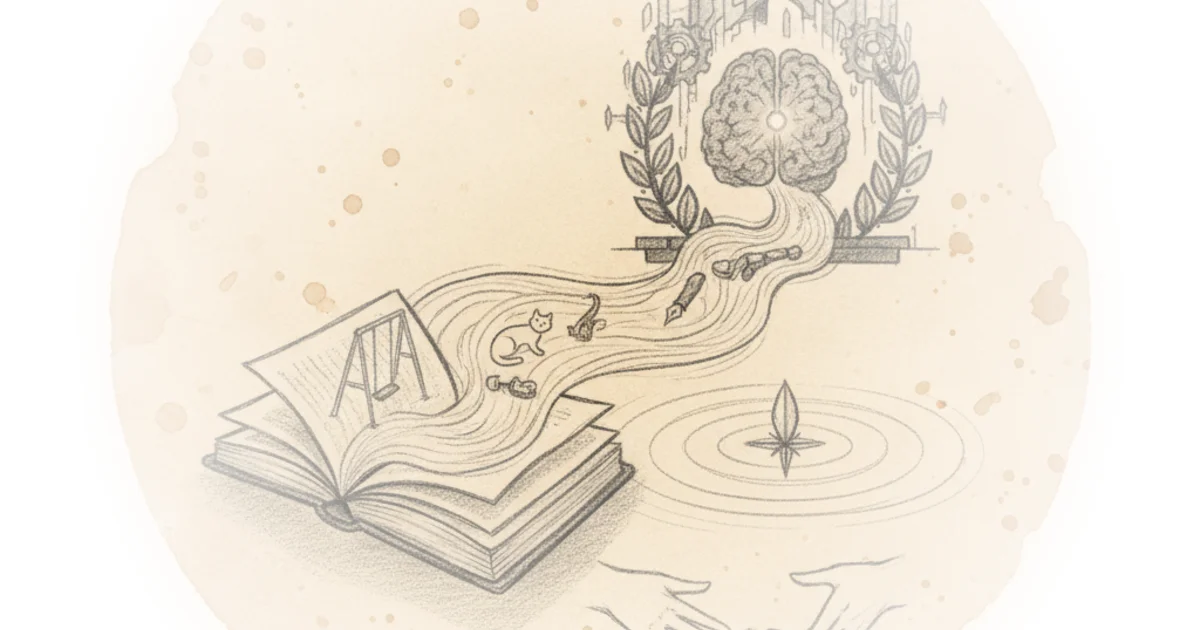
Her response was not to retreat into ivory tower theory but to investigate the practical utility of storytelling. "I decided to plan my final grad school project around this question," Hildreth explains, noting her decision to interview readers and examine neuroscientific research on what occurs in the brain during fiction consumption. This empirical approach distinguishes her commentary from typical book reviews; she is not just asking "what is good?" but "why does it matter?"
The high school English classroom is kind of a funny place if you think about it. We have young people read classic literature while also helping them learn to write literary analysis papers with the assumption that learning this type of writing helps with all types of writing.
Critics might argue that prioritizing nonfiction in schools was a necessary correction to ensure workforce readiness, yet Hildreth's counterpoint—that fiction cultivates essential social cognition—remains a compelling rebuttal. Her journey from Instagram chronicles to a professional career as a "professional reader" underscores the growing demand for this specific type of literary engagement outside traditional academic or commercial gatekeeping.
Reading as a Shared Human Experience
The core of Hildreth's philosophy rests on the belief that reading is inherently social, even when done in isolation. She observes that her work has evolved from personal reflection to community building, stating, "Over the last few years I've learned that the best part of reading in public is community and I love reading alongside each of you." This shift reflects a broader trend in digital media where niche interests are finding sustainable ecosystems through direct reader support rather than ad revenue.
Her analysis of Beverly Cleary's Beezus and Ramona serves as a microcosm for her larger thesis on emotional intelligence. Hildreth describes the book not just as a children's classic but as a tool for navigating complex sibling dynamics and developmental stages. "Cleary does such a wonderful job getting into the head of a little kid who wants to be good and loved but who is often misunderstood," she writes, highlighting how literature allows readers to safely simulate difficult emotional scenarios.
This approach extends to her selection of adult fiction as well. When discussing Anita Desai's Clear Light of Day, Hildreth emphasizes the intersection of personal memory and historical trauma. She notes that the novel "parallels the story of the family, Desai explores the Partition of India and we see the way macro historical and political events can shape the intimacies of individual lives." Here, the argument is clear: fiction provides a unique lens to understand how large-scale geopolitical shifts fracture or bind personal relationships in ways that history textbooks cannot.
This is a slim family novel that follows four siblings who have grown apart and examines the way small, unreconciled moments from childhood can impact us long into adulthood.
A counterargument worth considering is whether this focus on "meaningful" literature alienates readers seeking pure escapism. However, Hildreth's inclusion of diverse genres—from mythology retellings to contemporary thrillers—suggests her definition of "matters" is expansive, prioritizing engagement and emotional resonance over a rigid canon.
The Future of Literary Engagement
Hildreth looks forward with a specific vision for 2026: an independent study series titled This American Lit designed to engage with writers contemplating the idea of America. This project signals a move toward curated, thematic exploration rather than reactive coverage of bestseller lists. She positions her work as a bridge between the academic rigor she once studied and the accessible, conversational tone required for modern digital consumption.
Her commentary on the current literary landscape also touches on the disruptive role of artificial intelligence. While acknowledging the anxiety surrounding AI's impact on creativity, she points to an essay in The Atlantic that explores how these tools are changing not just writing, but "the way we think about writing." This forward-looking perspective ensures her analysis remains relevant beyond the immediate cycle of new releases.
I really appreciated this essay which has a click-baity headline (always an annoyance) but goes deep into how AI in the literary atmosphere is changing us all—even if we're not using it ourselves.
Bottom Line
Sara Hildreth's piece succeeds because it transcends the typical "what to read next" format, offering instead a robust defense of fiction's role in human development and social cohesion. While her reliance on personal anecdote occasionally lacks broad statistical backing, her synthesis of educational theory, neuroscience, and literary critique provides a compelling framework for why we should continue to prioritize narrative art. The strongest takeaway is that reading is not a solitary act of consumption but a communal practice of empathy that remains essential in an increasingly fragmented world.