Wayfare poses a question that cuts through the noise of modern spiritual consumerism: if miracles are real, why do they so often feel like distractions from the harder work of faith? In a culture obsessed with immediate results and tangible proofs, this piece refuses to offer easy answers, instead inviting readers to sit with the discomfort of ambiguity. It challenges the assumption that divine power is a tool for our convenience, reframing the miraculous not as a vending machine but as a profound, often unsettling, invitation to trust.
The Burden of Proof
The article begins by dismantling the popular image of the prophet as a mere magician. While the biblical record of Elisha is filled with startling feats—from parting rivers to raising the dead—Wayfare notes that "their primary role was to translate God's mind, heart, and will to a people—wonder enough by itself." This distinction is crucial. The piece argues that we have lost the plot by focusing on the spectacle rather than the message. It suggests that the Hebrew prophet's "fundamental experience was 'a communion with the divine consciousness which comes about through the prophet's reflection of, or participation in, the divine pathos.'"
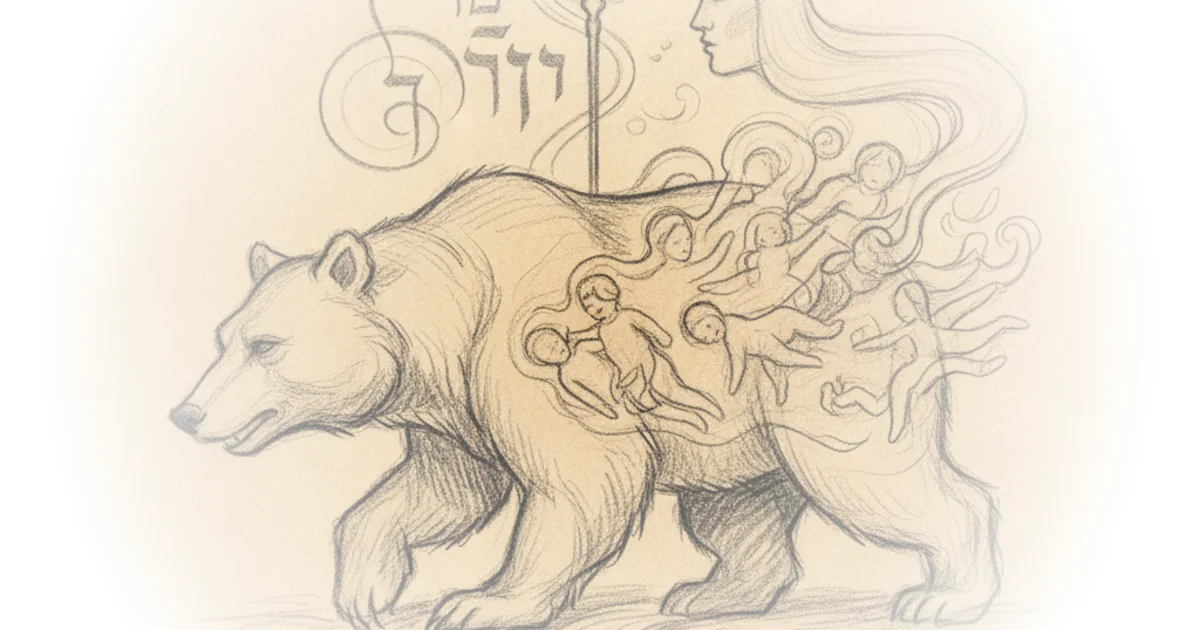
This framing forces a re-evaluation of the most controversial stories in the text, such as the infamous incident where Elisha curses a group of youths, resulting in two bears mauling dozens of them. The editors acknowledge that modern audiences often recoil, complaining of a "petty" prophet or a "merciless" God. Yet, the piece insists that these stories, however jarring, establish a terrifying reality: the prophet is empowered to "determine the fate of armies" and control nature. The argument here is that we cannot cherry-pick the comforting miracles while ignoring the ones that demand a reckoning with divine sovereignty. A counterargument worth considering is that focusing on the "divine pathos" risks sanitizing the sheer violence of the text, potentially glossing over the human cost of these ancient narratives.
Healthy and life-sustaining faith can be damaged, for example, when trust in a friend or a tenet proves misplaced.
The Danger of the Transactional
Perhaps the most striking contribution of this commentary is its critique of the "vending machine" mentality. Wayfare warns that "one person's exuberance over prompt divine help in recovering lost keys sometimes leaves neighbors at a loss when their prayers have gone unanswered for their sibling's relief from cancer." This observation cuts deep into the heart of religious anxiety. The piece suggests that overconfidence in everyday miracles can be dangerous because it sets up a fragile expectation of reciprocity that, when unmet, breeds resentment and a sense of betrayal.
The article draws a sharp line between superstition and faith, quoting the counsel to be "open-minded and -hearted toward awe" rather than "gullible." It references the philosophical skepticism of David Hume, who viewed miracles as violations of natural law, but pivots to a more nuanced LDS perspective held by early leaders like Orson Pratt. They argued that miracles "did not break natural law but were merely divine control over laws we do not yet understand." This reframing aligns with modern scientific curiosity, suggesting that what we call "miracles" might simply be the intersection of human limitation and higher, undiscovered principles. However, the piece admits the difficulty of this position: how does one distinguish between a genuine divine intervention and a fortunate coincidence without falling into superstition?
The Scent of Providence
In its most personal turn, the commentary moves away from the dramatic, public miracles of Elisha toward the quiet, private prompts of daily life. The author shares a moving anecdote about hearing the song "Bring Him Home" from Les Misérables while weeping, only to meet a "friendless young graduate student from Kenya" moments later. The piece asks, "Did these things occur by happenstance? Are they products of my own imagination? Or do they carry the scent of providence and miracle?"
This shift is vital. It suggests that the true test of faith is not the ability to summon bears or float axes, but the willingness to "make room for the possibilities" in the mundane. The article posits that we may never know the answer with certainty, asking, "Does it matter that I am comfortable in not knowing?" This acceptance of ambiguity is presented not as a failure of faith, but as its highest form. The piece concludes by inviting readers to consider that the ultimate purpose of miracles might be found in John 6, where Jesus feeds the multitude but then refuses to perform the same trick again, instead offering the harder, more demanding "bread of life."
Bottom Line
Wayfare's strongest move is its refusal to resolve the tension between the spectacular and the spiritual, forcing readers to confront the possibility that God's power is less about satisfying our demands and more about transforming our character. Its biggest vulnerability lies in the subjective nature of its evidence; without clear criteria for distinguishing providence from coincidence, the argument relies heavily on personal conviction. The reader should watch for how this framework holds up when faced with genuine tragedy, where the "scent of providence" feels most elusive.
Does it matter that I do not know? Does it matter that I am comfortable in not knowing? Is it enough that I simply make room for the possibilities, carrying on in faith?