Devin Stone exposes a startling disconnect in the administration's legal strategy: the Department of Justice is prioritizing viral optics over judicial due process when targeting protesters. Stone argues that the government's rush to file criminal complaints and stage dramatic arrests is a calculated move to generate social media content, even when the legal foundation for those charges is crumbling under judicial scrutiny.
The Theater of Prosecution
Stone opens by dismantling the administration's rhetoric about protecting houses of worship, contrasting it with their eagerness to prosecute those who disrupt them. He notes that while the Justice Department claims to defend religious freedom, "they'll do even more for the memes." This sharp observation sets the stage for his central thesis: the legal system has been weaponized for the news cycle. Stone details how the government filed a criminal complaint against eight individuals, including journalist Don Lemon, immediately after a protest at a church in St. Paul. He explains that a criminal complaint is merely a unilateral statement of probable cause, distinct from an indictment, yet the administration uses it to secure arrest warrants for the sake of a "perp walk."
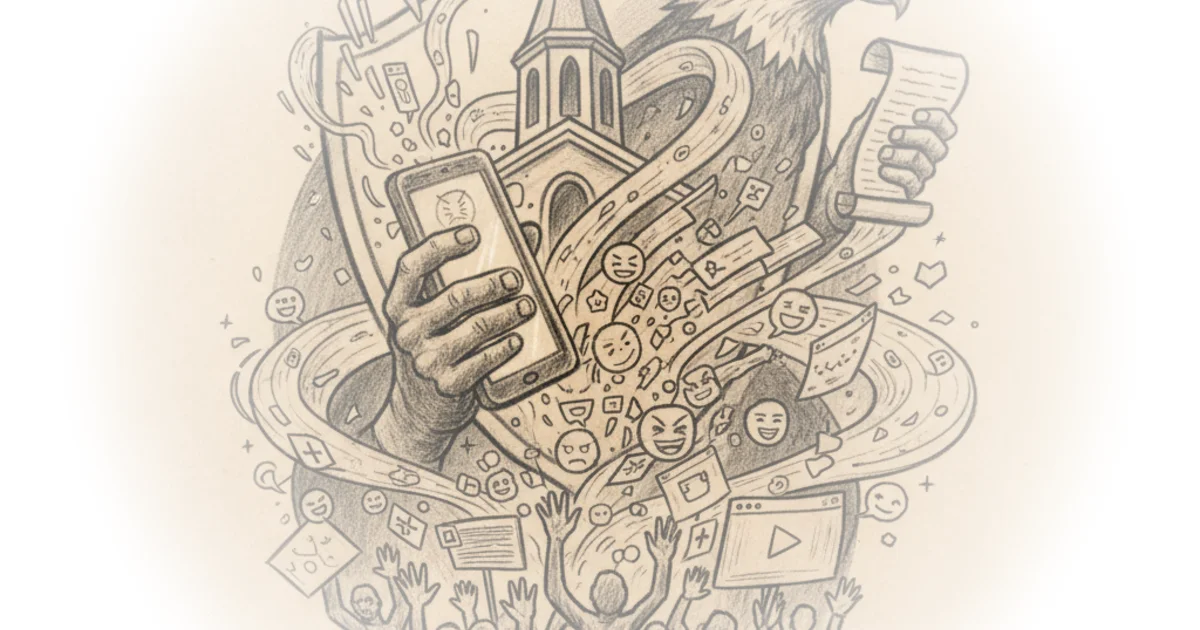
The author highlights the absurdity of this approach by comparing it to previous failed prosecutions, such as the case of Shawn Dunn, who was charged with a felony for throwing a sandwich at an ICE agent. Stone writes, "The only way the Trump administration knows that they will get a news cycle out of any of these prosecutions is by filing a complaint and convincing a magistrate judge to sign an arrest warrant." This framing is effective because it shifts the focus from the merits of the protest to the mechanics of the prosecution, revealing a system where the arrest footage is the primary product, not the conviction.
Critics might argue that the administration is simply being aggressive in enforcing federal law against trespassing and disruption, but Stone's evidence of sealed filings and rushed procedures suggests a deeper procedural irregularity. The government's refusal to let the public see their sealed motions implies a lack of confidence in their own case, a point Stone emphasizes when he notes they were "so confident in their work, they didn't want anyone else to see it."
Judicial Pushback and Procedural Chaos
The narrative shifts dramatically when Stone details the response of Magistrate Judge Douglas Miko, who refused to issue arrest warrants for five of the defendants, including Lemon and his producer, due to a lack of probable cause. Stone describes the government's reaction as "bonkers," noting that they immediately demanded a review by a higher court in a sealed filing. He writes, "Essentially, they asked to speak to the manager, but they did it in a sealed filing because they didn't want anyone to see what they were up to." This metaphor perfectly captures the desperation of the prosecution's position.
Stone further illustrates the administration's disregard for judicial independence by recounting how they attempted to bypass the magistrate judge entirely. When Judge Miko refused to sign the warrants, the Department of Justice asked Chief Judge Patrick Schiltz to override the decision, a move Stone points out was unprecedented. "If the magistrate says, 'You don't have probable cause,' a normal prosecutor will either go back and beef up the case or just present it to a grand jury," Stone observes. This procedural anomaly underscores the author's argument that the administration is operating outside standard legal norms to achieve a political goal.
The government is racing from courtroom to courtroom demanding to speak to the manager, but they are doing it in the dark.
The author also touches on the human cost of this legal theater, noting how the White House altered images of arrested protesters to make them appear humiliated. Stone suggests this manipulation could lead to future motions for "vindictive prosecution," adding another layer of legal jeopardy for the government. While the administration claims to be protecting sacred spaces, Stone's coverage reveals a strategy that may ultimately undermine the very rule of law they claim to uphold.
Bottom Line
Stone's most compelling argument is that the administration is using the criminal justice system as a content generation engine, sacrificing legal rigor for viral moments. The piece's greatest vulnerability lies in its reliance on the assumption that the government's procedural missteps are intentional rather than merely incompetent, though the pattern of sealed filings and unusual appeals strongly supports his claim. Readers should watch for whether the Eighth Circuit will allow this unprecedented judicial override to stand, as it could set a dangerous precedent for future federal prosecutions.