This piece exposes a stark contradiction at the heart of the technology sector's climate narrative: the very tools marketed as solutions to the climate crisis are being deployed to accelerate fossil fuel extraction. Emily Atkin's reporting cuts through the corporate greenwashing to reveal that Microsoft, a self-proclaimed climate leader, is the number one cloud provider for the oil and gas industry, actively helping these companies find and drill for more oil. For busy professionals tracking the intersection of AI and sustainability, this is not just a story about one company's hypocrisy; it is a case study in how the most powerful technology on earth is being weaponized against the planet's future.
The Illusion of Green AI
Atkin introduces us to Will Alpine, a product manager who joined Microsoft in 2020 believing he was building the future of sustainable technology. The company had recently made headlines with a pledge to be carbon negative by 2030 and to remove all historical emissions by 2050. Will's role was to create tools that would make AI usage more ethical and environmentally sound. He helped build the CarbonAware SDK, a tool designed to shift computing tasks to times when the grid is powered by renewable energy. "I thought it was just the most exciting thing in the world, building the cutting-edge tools and technology that could really help fight climate change," he recalls.
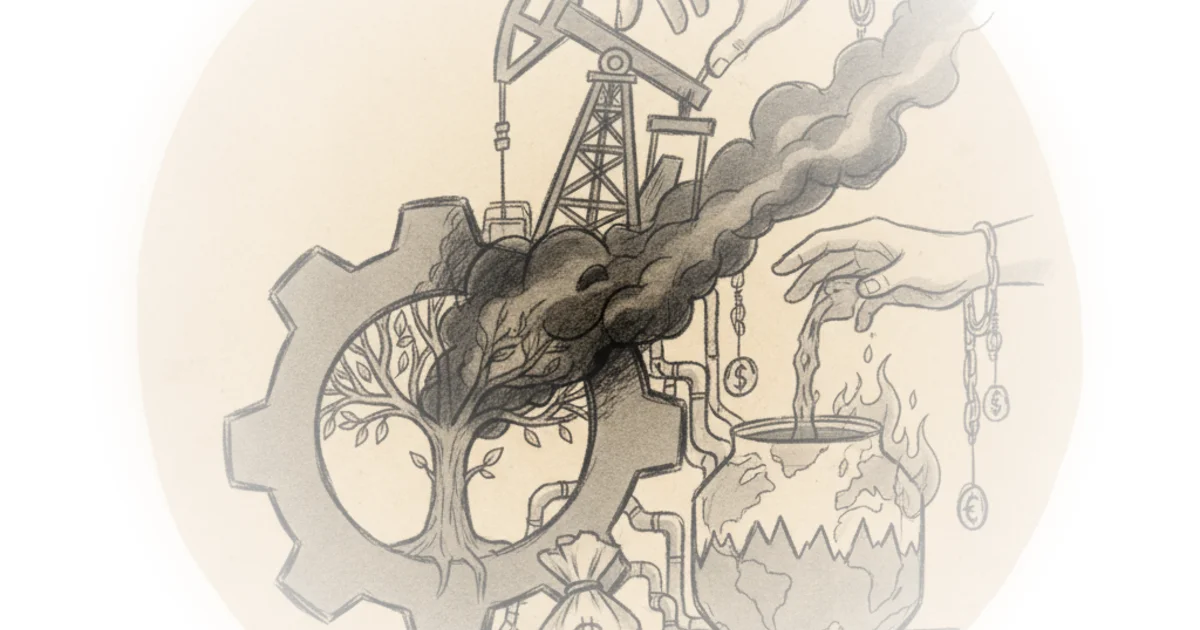
The narrative takes a sharp turn when the reality of Microsoft's client list is revealed. While Will was optimizing code for green energy, the company was simultaneously selling its most advanced machine learning algorithms to fossil fuel giants. These contracts were not minor side deals; they were central to the industry's expansion. As Atkin notes, one contract with ExxonMobil was projected to boost production by up to 50,000 barrels per day. The math is unforgiving: that single deal would result in 6.4 million metric tons of additional carbon emissions annually, effectively wiping out the impact of Microsoft's own carbon removal pledge for that year.
"Our paychecks were dripping in oil."
This line, spoken by Holly Alpine, Will's wife and a senior manager at the company, captures the visceral dissonance felt by employees. The core of Atkin's argument is that Microsoft's climate pledges were not undermined by accident, but by a deliberate business strategy that prioritized revenue over environmental integrity. The company's leadership, including CEO Satya Nadella, defended these partnerships by claiming that providing productivity boosts to oil companies would help them transition to clean energy. Nadella argued, "If we stop engagement, what's the benefit? Who benefits? Nobody benefits." Atkin dismantles this logic by showing that the oil companies themselves were using the technology to do the exact opposite of transitioning: they were using it to drill deeper and faster.
The Failure of Internal Reform
The story shifts from discovery to a desperate attempt at internal reform. Will and Holly, realizing the scale of the problem, co-authored a white paper and later an eight-page memo to leadership. They did not demand an immediate, total severance of ties with the fossil fuel industry—a radical move that might have been dismissed. Instead, they proposed a "principled approach" that would account for the carbon impacts of the technology Microsoft enabled. They argued that the company's Responsible AI principles needed to include environmental impact, a gap that remains unfilled to this day.
The response from leadership was a masterclass in corporate deflection. While executives verbally agreed with the recommendations, the promised changes never materialized. Microsoft released vague "energy principles" that required oil clients to make net-zero commitments by 2050, but crucially, these commitments did not need to include Scope 3 emissions (the emissions from burning the fuel) nor did they require proof of progress. As Atkin writes, "They made some promises to us, and we tried to work with them over the course of the next few years to ensure that those were fulfilled. But ultimately, Holly and Will say almost none of the promises made by leadership came to pass."
Critics might argue that a total ban on fossil fuel contracts would have cost Microsoft billions and ceded the market to competitors like Amazon and Google, potentially slowing the overall adoption of AI in the energy sector. However, Atkin's reporting suggests that the company's current path is not a compromise but a deception. The company is actively marketing its AI as a tool for "optimizing operations" and "unlocking new reserves," as seen in a now-deleted LinkedIn post by a Microsoft technical architect who claimed, "With Azure, the future of oil and gas exploration and production is brighter than ever."
"You cannot only count one team's points when you're playing a game of basketball."
This analogy, used by Holly Alpine, perfectly encapsulates the flaw in Microsoft's strategy. The company wants to claim credit for its renewable energy investments and carbon removal projects while ignoring the massive emissions its cloud services enable. Atkin highlights that Microsoft is not a "purely a propaganda machine"; it is doing real, world-changing work on the climate side. But as she notes, "You just think you need to also address the other side of the equation." The imbalance is so severe that the pro-climate actions are rendered meaningless by the pro-oil business model.
From Disillusionment to Activism
The final act of the piece details the couple's decision to leave the company they loved. The emotional toll was immense. "It was my dream job," Holly says. "That's why it was so devastating to learn that our paychecks were dripping in oil." Realizing that internal pressure had hit a wall, they founded Enabled Emissions, an organization dedicated to holding Big Tech accountable for its climate impact. Their goal is to shift the narrative from the energy use of data centers to the deliberate role AI plays in expanding fossil fuel production.
Atkin's framing here is particularly effective because it moves beyond the typical "corporate villain" trope to show the human cost of corporate inaction. It is a story of idealism crushed by the reality of profit maximization. The couple's journey from employees to activists underscores a broader trend: the gap between corporate climate rhetoric and corporate climate action is widening, and the people inside the system are increasingly the ones to expose it. As Will puts it, "From what I saw, I believe that finding and extracting more oil is one of the biggest use cases of AI today."
"You don't get to call yourself the company of climate action if you're the number one cloud provider for the fossil fuel industry."
This statement serves as the moral anchor of the piece. It challenges the reader to stop accepting the narrative that technology companies are the saviors of the climate without scrutinizing their revenue streams. Atkin's reporting forces a reckoning: if the tools of the future are being used to extend the era of fossil fuels, then the "green tech" revolution is a mirage.
Bottom Line
Emily Atkin's piece is a devastating indictment of the tech industry's double standards, proving that Microsoft's climate leadership is largely performative when weighed against its role as the primary enabler of fossil fuel expansion. The strongest part of the argument is the irrefutable data showing that Microsoft's AI is directly responsible for millions of tons of additional carbon emissions, rendering its carbon-negative pledges hollow. The biggest vulnerability for the administration and the industry at large is the growing realization that internal reform is insufficient; the only way to align AI with climate goals is to stop selling it to those who are actively destroying the planet. Readers should watch for the growing movement of former tech employees who are turning their insider knowledge into external pressure, as the era of trusting corporate self-regulation on climate comes to an end.