In a culture obsessed with the 'more is better' ethos of fitness, Rohin Francis, a consultant cardiologist in the UK, challenges the assumption that extreme endurance is a guaranteed path to longevity. While the media often fixates on the dramatic risks of professional athletes, Francis brings a nuanced, data-driven perspective to the question of whether pushing the human heart to its absolute limit actually backfires for the average enthusiast. This analysis cuts through the noise of scare-mongering headlines to reveal a complex biological reality: exercise is a potent drug, but like any drug, it has a precise therapeutic window.
The U-Shaped Curve of Risk
Francis begins by dismantling the binary view that exercise is either universally good or universally dangerous. He establishes that for the vast majority of the population, moving from a sedentary lifestyle to moderate activity yields the most dramatic health improvements. "Exercise is flipping amazing," he writes, noting that the benefits span mental well-being, diabetes management, and cancer risk reduction. This framing is crucial because it prevents readers from misinterpreting the article as a warning against movement. The core of his argument rests on the concept of the "U-shaped curve," where health risks plummet with initial activity but eventually plateau and then rise again at extreme levels of exertion.
"There appears to be a sweet spot when it comes to exercise which is an important message."
The author explains that while extreme athletes still live longer than those who do no exercise, they face a higher risk of adverse events compared to those who stick to moderate guidelines. This distinction is often lost in popular reporting, which tends to conflate the risks of elite professionals with those of weekend warriors. Francis clarifies that the "law of diminishing returns" kicks in long before the point of harm, suggesting that the additional hours spent training yield negligible health gains while potentially introducing new risks.
The Heart's Hidden Scars
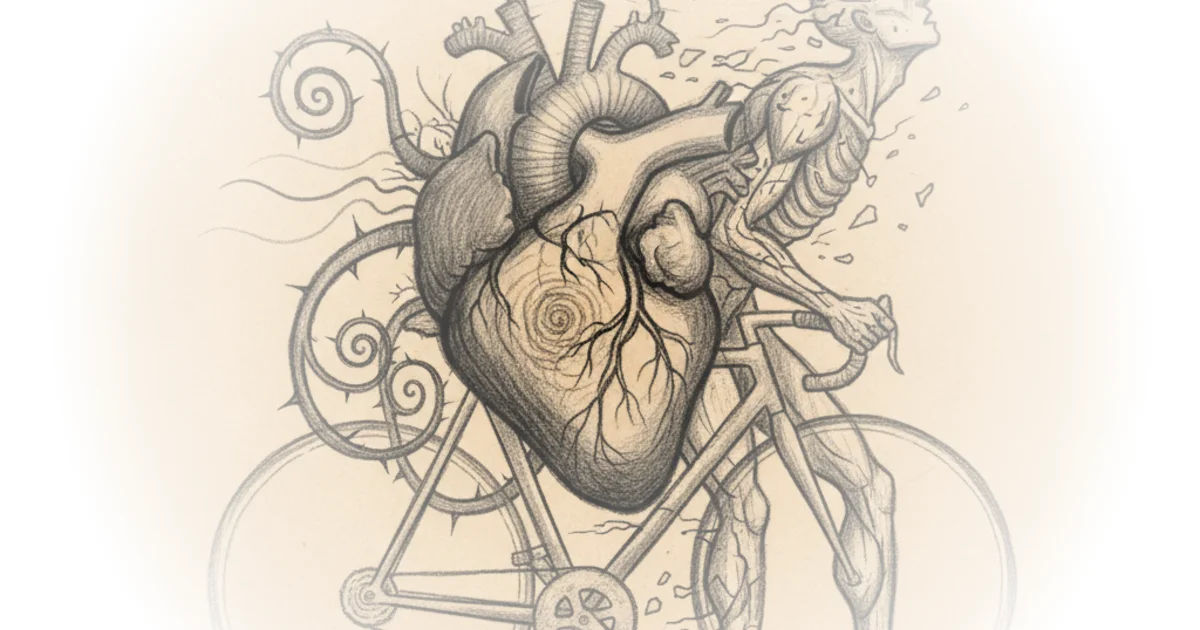
The most compelling section of the commentary addresses the physiological toll of extreme endurance on the heart itself. Francis points to measurable markers of stress that appear even in healthy athletes. He notes that blood tests for troponin, a chemical released during heart damage, are elevated in half of all marathon runners immediately after a race. "If you put these people into an mri scanner to scan their heart you get a transient subtle reduction in heart function which recovers completely," he explains. However, the concern lies in the cumulative effect of these repeated inflammatory challenges.
Francis uses a vivid analogy to describe the long-term impact of this stress: a senior colleague described the difference between a healthy heart and one subjected to years of extreme endurance as the difference between a "brand new cd and one that's been left out of the box lying around and it's kind of picked up some scratches and gone a bit dull." This metaphor effectively translates complex cardiac fibrosis into a tangible concept for the lay reader. The resulting micro-scarring can lead to electrical issues, most notably atrial fibrillation, where the heart's upper chambers quiver rather than contract efficiently.
"The atrial fibrillation we see in athletes hearts seems to be more benign or it's similar but they've dropped their overall cardiovascular risk so much from their exercise that it offsets the increased risk."
Critics might argue that dismissing the severity of athlete-specific atrial fibrillation as "benign" could downplay the stroke risk associated with the condition. However, Francis counters this by emphasizing that the overall cardiovascular profile of an athlete remains superior to that of a sedentary person, even with the presence of this arrhythmia. He identifies a specific demographic profile for this risk: men aged 40 to 60 who are tall and have accumulated roughly 1,500 hours of intense exertion. This specificity helps readers self-assess their risk without inducing panic.
Beyond the Myths
Francis also tackles the confusion surrounding coronary artery disease in athletes. Studies have shown that endurance athletes often have higher rates of coronary calcification, which is typically a marker for heart disease. Yet, Francis argues that this finding does not translate to clinical heart attacks or blockages in this population. "Yes there does appear to be more calcified plaques in the coronary arteries of athletes and generally calcification in coronary arteries is not a good thing but we haven't seen that that translates to clinically significant heart disease," he writes. This distinction between the presence of plaque and the actual obstruction of blood flow is a critical nuance that many headlines miss.
He further debunks the myth that extreme athletes are more likely to need pacemakers due to slow heart rates, noting that while fainting is a risk, the data does not support a higher rate of pacemaker implantation. The author's insistence on evidence over anecdote serves as a corrective to the sensationalism often found in sports medicine reporting. He concludes by reiterating that the goal should be enjoyment rather than suffering. "You don't need to be committing hours and hours of your life to feeling the burn and embracing the pain," he advises, urging a shift toward sustainable, fun physical activity.
"Exercise should be fun. It should be something you look forward to."
Bottom Line
Francis's strongest contribution is his ability to validate the benefits of exercise while honestly addressing the limits of extreme endurance, effectively decoupling health from the cult of maximalism. The argument's main vulnerability lies in the reliance on observational data regarding long-term fibrosis, which cannot yet definitively prove causation for all cardiac events in athletes. Readers should take away that the "sweet spot" for health is likely far lower than the extreme volumes often celebrated in endurance culture, and that consistency trumps intensity every time.