Perun uncovers a geopolitical anomaly that defies conventional wisdom: a North African nation quietly outspending Russia on defense while maintaining a peace-time economy. While global headlines fixate on European rearmament, the author reveals that Algeria has doubled its defense spending to nearly 9% of GDP, funding a modernization spree that includes potential fifth-generation fighters and a vast array of Russian weaponry. This is not a story of a desperate state, but of a hydrocarbon-rich power making a calculated, high-stakes bet on military dominance in a volatile neighborhood.
The Amateurs and the Surge
The piece opens by dismantling the assumption that the current global arms race is solely a European or Asian phenomenon. Perun writes, "But there is a country out there that would look at those increases, at least in percentage terms, and basically say amateurs." This provocative framing immediately reorients the reader's perspective, forcing a comparison between the well-documented spending of Poland and Germany and the staggering, less-publicized surge in Algiers. The author notes that while Germany is moving toward 3.5% and Poland toward 4.7%, Algeria has surged from 4% to "the better part of 9% in 2025."
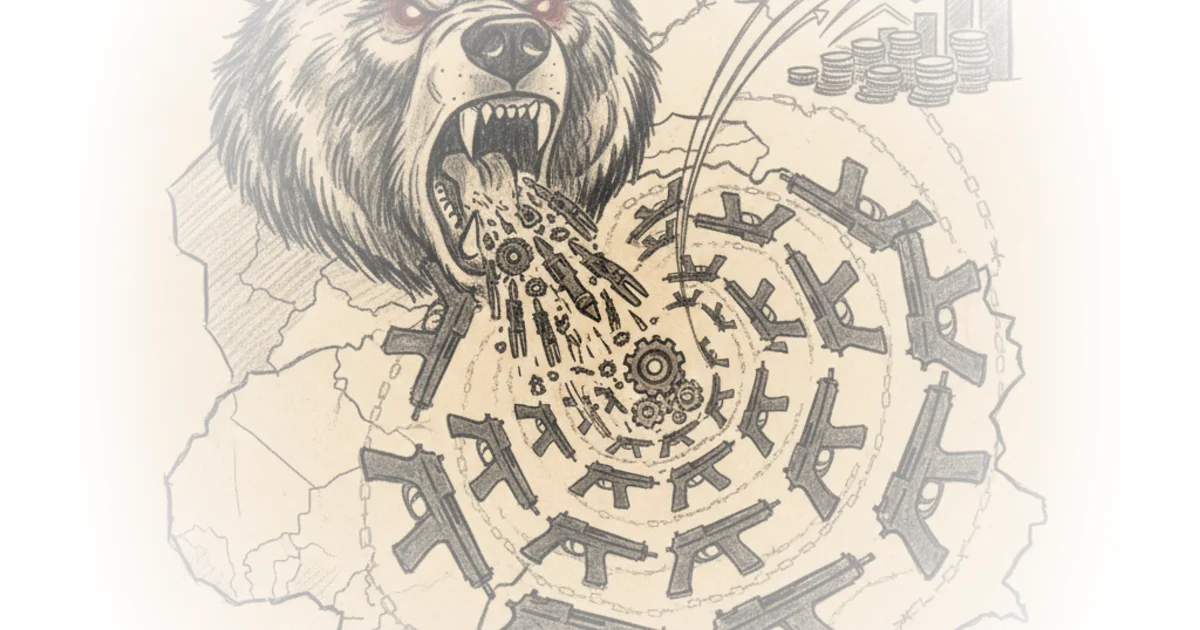
The scale of this commitment is difficult to overstate. Perun observes that "by those percentages Algeria is now spending more on defense in peace time than Russia is during wartime." This comparison is the article's most striking data point, highlighting a level of fiscal aggression that seems economically unsustainable for a nation with a GDP the size of Finland or Kentucky. The author acknowledges the strain, noting the country is funding this through a deficit "worse than the French and American ones combined." Critics might note that comparing peace-time spending to wartime Russian figures ignores the different economic structures and the fact that Russia is currently operating under total war mobilization, which distorts the baseline. However, the sheer magnitude of the Algerian commitment remains undeniable.
"And so today, for the first time on the channel, welcome to North Africa as we zoom in on one of the best equipped and best funded militaries on the African continent."
A Legacy of Strategic Autonomy
To understand why a nation would take such financial risks, Perun delves into the historical roots of Algeria's military posture. The author traces a lineage from the Ottoman regency and the corsairs of the Barbary Coast to the brutal war of independence against France. This history is not merely background noise; it is the engine of current policy. Perun explains that the "legacy of very close ties with specific powers, especially Moscow" is a defining feature of the modern state. The author points out that while Algeria is often grouped with Russia's allies, the relationship is nuanced: "Algeria's strongest military relationship has long been with Moscow with Beijing now growing in importance as well. But remember, the country's critical export earnings and a lot of its economic interactions are very much linked to Europe."
This duality is crucial. The author argues that Algeria is not a Russian proxy but a pragmatic actor leveraging Russian hardware to secure its sovereignty against regional rivals, particularly Morocco. The text highlights the "central role the military and military figures have often played in Algerian politics," noting a succession of presidents who were former generals. This historical context explains the domestic political imperative for high spending; the military is not just a defense force but a pillar of the regime's legitimacy. The author writes, "The experience of Algeria under French colonial rule was different from many other areas... France came to regard Algeria not so much as a colony, but as an integral part of France itself." This unique colonial trauma forged a deep-seated suspicion of external interference and a drive for self-reliance that now manifests in massive arms purchases.
The Economic Gamble
The commentary then shifts to the economic reality underpinning this military buildup. Perun describes Algeria as a "hydrocarbon-based economy" where oil and gas make up "more than 90% of the country's exports." The author notes that while inflation has cooled and foreign reserves provide a buffer, the country faces "deep government fiscal deficits" and "unemployment, especially youth unemployment levels running into the double digits." The central tension of the piece lies here: the state is betting that energy revenues will remain high enough to sustain a budget that would bankrupt most other nations.
Perun warns that "running what most nations would consider wartime budgets during peace time is always going to come with trade-offs." The author suggests that while the current boom in energy prices allows for this surge, the long-term sustainability is questionable. The text mentions that Algeria has attempted to diversify but remains heavily reliant on energy exports. A counterargument worth considering is that the author may be underestimating the strategic value of deterrence. If the cost of conflict with neighbors like Morocco or instability in the Sahel is deemed higher than the economic strain, the spending is rational regardless of the deficit. Yet, the risk of a commodity price crash remains a fatal vulnerability.
"While Algeria is an energy-rich state with a growing economy and immense human capital, running what most nations would consider wartime budgets during peace time is always going to come with trade-offs."
Bottom Line
Perun's analysis is at its strongest when it connects the dots between Algeria's colonial history, its military-centric politics, and its current fiscal aggression, revealing a nation preparing for a conflict that the rest of the world is ignoring. The argument's greatest vulnerability is its reliance on current energy prices to justify a deficit that could become catastrophic if the global market shifts. Readers should watch for how Algeria balances its Russian military acquisitions with its economic dependence on European energy markets in the coming years.