Marc Rubinstein doesn't just spot a bubble; he identifies the precise financial architecture that could make it burst with the same catastrophic force as 2008. While most observers focus on the hype cycle of artificial intelligence, this piece dissects the dangerous debt structures being built on top of it, arguing that the market is repeating the fatal error of assuming asset values will remain static when technology moves at light speed.
The 2008 Parallel in Silicon
The core of Rubinstein's argument is a chilling comparison between the subprime mortgage crisis and the current financing of AI infrastructure. He notes that the 2007 model relied on a "standardised set of assumptions around home price inflation," whereas today's model rests on "assumptions around the useful life of those chips – assumptions that are currently being challenged." This is a critical distinction. If the hardware becomes obsolete faster than the debt schedule allows, the collateral evaporates.
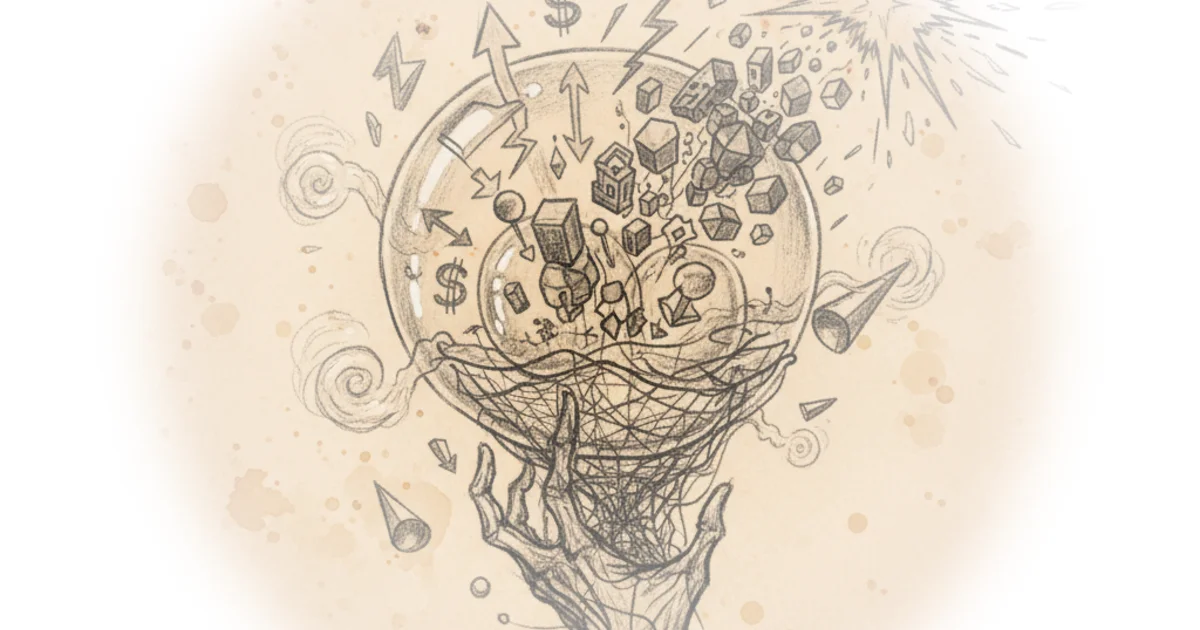
Rubinstein highlights the sheer scale of this leverage. He points out that "AI-related companies have collectively issued around $170 billion of US-dollar denominated credit so far this year," a figure that dwarfs the previous three years combined. The author uses the example of CoreWeave, a neocloud company that raised a massive debt facility "collateralized by Nvidia AI chips." The risk lies in the depreciation schedule. Rubinstein writes, "The difference between six years and four years on a depreciation schedule underpinning a piece of GPU collateral is not far off the difference between +2% and zero home price inflation on a piece of housing collateral." This analogy lands with force because it translates complex tech finance into the tangible language of the last great financial collapse.
Critics might argue that AI demand is fundamentally different from housing demand, suggesting that the utility of these chips will remain high regardless of rapid iteration. However, the author's focus on the diminishing cash ratios of these borrowers suggests that the market is already signaling a lack of confidence in their ability to self-fund.
The difference between six years and four years on a depreciation schedule underpinning a piece of GPU collateral is not far off the difference between +2% and zero home price inflation on a piece of housing collateral.
The Weaponization of Skepticism
Perhaps the most striking section of the piece is not about the numbers, but about the culture of the market. Rubinstein observes a disturbing pattern where those who question the valuations are being vilified rather than engaged. He draws a historical line from Bernard Baruch's 1917 defense of short-sellers to the current atmosphere, quoting the financier: "A market without bears would be like a nation without a free press. There would be no one to criticise and restrain the false optimism that always leads to disaster."
The author contrasts this with the aggressive rhetoric coming from tech leaders. He cites Palantir CEO Alex Karp, who admitted, "I'm currently in a battle with short-sellers," and framed the criticism as an attack on the company's integrity rather than a financial analysis. Even more telling is the reaction from OpenAI leadership. Rubinstein notes that when asked to reconcile massive spending commitments with current revenue, the CEO offered to find a buyer for the interviewer's shares, stating, "I would love to tell them they could just short the stock and I would love to see them get burned on that."
This shift in tone is significant. When market participants stop viewing skepticism as a necessary market function and start viewing it as a personal enemy, the feedback loop that prevents bubbles from inflating indefinitely begins to break. Rubinstein suggests that just as the launch of the ABX subprime index in 2006 signaled the unwind of the housing market, the new "Silicon Data H100 Rental Index" is bringing transparency that could trigger a similar correction.
Bottom Line
Rubinstein's strongest contribution is reframing the AI boom not as a technological revolution, but as a credit cycle event with specific, measurable fragility. The argument's greatest vulnerability is the assumption that the administration or market regulators will not intervene to stabilize the sector before a collapse occurs, but the historical precedents he cites suggest that intervention often comes too late. The reader should watch the rental index and the depreciation assumptions of major borrowers; if those metrics shift, the bubble is not just popping—it is deflating into a crisis.