Forget everything you think you know about singer-songwriters. Louisiana Channel doesn’t just profile Will Oldham—they expose how his theater-rooted approach to music dismantles the toxic myth that art must bleed the artist dry. In an era where authenticity is weaponized, their interview reveals why Oldham’s persona strategy isn’t escapism—it’s survival.
The Theater Apprenticeship
Louisiana Channel wisely anchors Oldham’s philosophy in his Louisville upbringing, where the Actors Theater became his unorthodox conservatory. This isn’t just nostalgia—it’s the blueprint for his entire creative rebellion. As Oldham explains, he learned how to produce a text for an audience through stage management and costume work, not just acting. Louisiana Channel writes, "I’m learning... how do you take a text, produce it so that an audience can receive it." Crucially, they highlight how this made him view albums as discrete theatrical productions—each with its own cast and crew—rather than continuations of a personal brand. This reframing explains why early audiences were baffled: he treated records like plays, while peers saw them as diary entries. The Channel’s focus on this theatrical lens is revelatory; it transforms what might seem like artistic inconsistency into disciplined methodology. Critics might argue this approach risks emotional detachment, but the transcript shows Oldham’s precision: "It’s still material. It’s still text. It’s still a play... It is not life."
The honesty comes in the present moment that could be captured on a microphone.
Persona as Lifeline
Here’s where Louisiana Channel delivers its sharpest insight: Oldham didn’t invent Bonnie ‘Prince’ Billy for marketing—it was an emergency exit from artistic suicide. The Channel doesn’t flinch from the stakes, quoting his warning that "the perils associated with expressing something true in an honest fashion is unrealistic and unsustainable" for singer-songwriters. Their coverage brilliantly traces how the persona became a "disembodied entity" that freed him: "Once I knew that it wasn’t me, I felt I could sing anything." This isn’t gimmickry—it’s a structural solution to an industry that conflates voice with identity. The Channel wisely contrasts Oldham’s unionized theater background with DIY musician peers, showing why his solution emerged where others crumbled. One counterpoint worth noting: some artists (like Springsteen) thrive without such separation, but Oldham’s theater roots made this necessary armor. His liberation rings through when he describes the first Bonnie Prince Billy record: "I thought okay I’m going to be a singer of songs... I find that the more guidelines and rules... the more freedom that I feel I have."
The Vaccine Metaphor
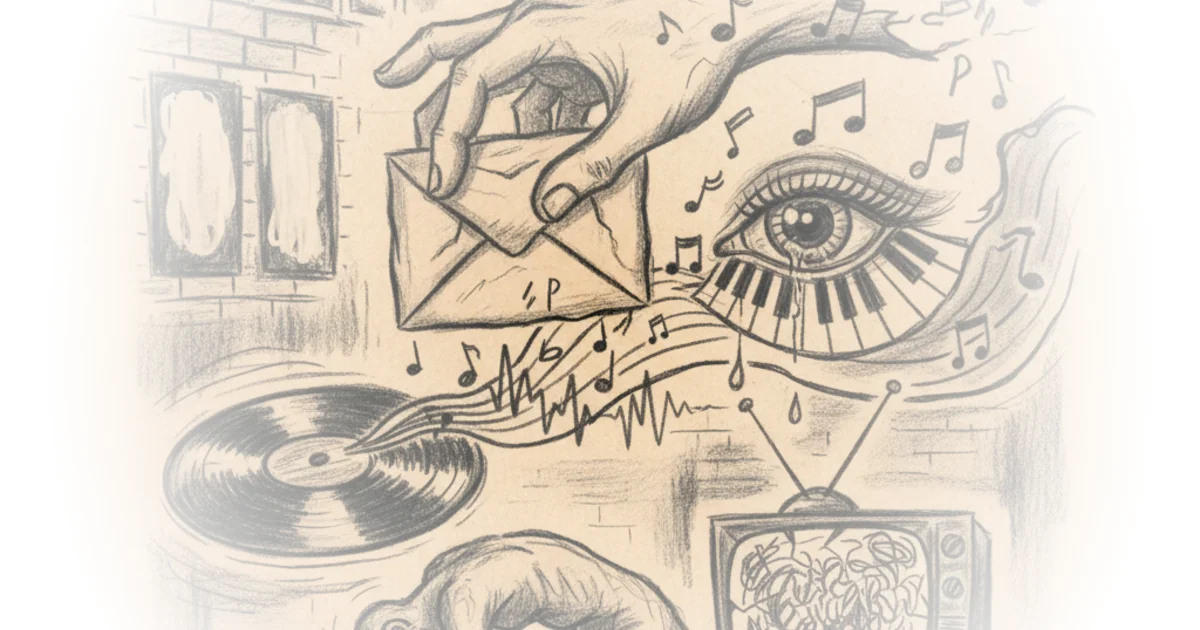
Louisiana Channel saves its most potent revelation for last: Oldham’s belief that songs function like emotional vaccines. They don’t just report his theory—they prove its urgency by linking his new album We Are Together Again to contemporary crises. Oldham’s words land with chilling relevance: "Songs would have a vaccine-like quality... the body would be able to build defenses around it." The Channel smartly spotlights how his collaborator’s dance video for They Keep Trying to Find You embodies this catharsis, noting how "people tend to stray away from emotional confrontation at a very basic level... right now people need a catharsis." This section transcends music critique—it diagnoses a cultural sickness. Yet the Channel wisely avoids overclaiming; they let Oldham admit his role isn’t therapy but "a terrain that... could be beneficial." The most striking admission? "I think the lightness the balance of light and dark in this piece... is useful right now." It’s a quiet rebuke to art that wallows in darkness without offering pathways through it.
Bottom Line
Louisiana Channel’s triumph is framing Oldham’s theatrical discipline as the antidote to modern art’s authenticity trap—the strongest argument for persona I’ve encountered. Its vulnerability? Assuming all artists can (or should) build such elaborate separation. Watch how Gen Z musicians navigate this tension as TikTok demands raw ‘realness’ while mental health crises mount.