In a newsletter format often reserved for quick updates, The Pillar delivers a rare fusion of hagiography and hard-hitting institutional critique, using the life of a 20th-century saint to illuminate the modern Church's most persistent vulnerability: financial trust. While the piece opens with the feast day of Blessed Yaaqub El-Haddad, it quickly pivots from spiritual inspiration to a stark warning that the Church is currently facing a "financial scandal" of its own making, arguing that the lack of rigorous oversight is not just an administrative failure but a moral hazard.
The Saint and the System
The editors begin by recounting the life of Yaaqub El-Haddad, a Maronite priest who founded the Franciscan Sisters of the Holy Cross of Lebanon in 1919. His story serves as a foil to contemporary institutional decay; he gave away his own clothing and knapsack, living in radical poverty while building a network of hospitals and orphanages. The Pillar notes that El-Haddad "faced along the way death threats and beatings," yet his response was to pour himself out for the sick, eventually establishing the first psychiatric hospital in the Middle East.
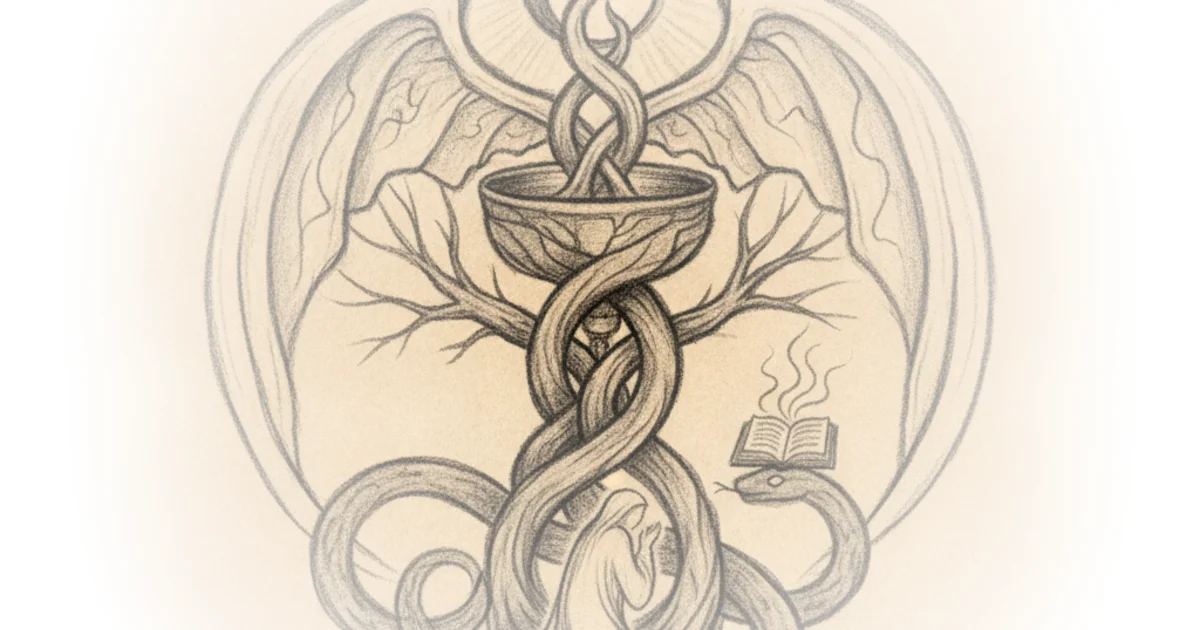
This historical depth is not merely decorative. By highlighting that El-Haddad operated within the Maronite tradition—a church with deep roots in Lebanon dating back centuries—the piece underscores a contrast between ancient spiritual resilience and modern bureaucratic fragility. The argument suggests that while the Church has always faced external persecution, it now faces an internal crisis of governance.
"The thing is, the stories we report indicate that the scandal is now."
This pivot from the saint's biography to current events is jarring but effective. The piece argues that the Church remains a "high-trust society" where clerics are often placed in positions requiring business sophistication they lack, creating an environment ripe for exploitation. It cites recent cases, including a former diocesan employee in Missouri who stole over $150,000 via gift cards and a Jesuit finance director in Canada who agreed to repay millions. The editors point out that these are not isolated incidents but symptoms of a systemic issue where "policies don't always anticipate sufficiently the prospect of malfeasance."
Critics might argue that focusing on financial theft distracts from the more devastating abuse scandals that have plagued the Church for decades. However, the piece anticipates this by quoting bishops who have long warned that the next major crisis would be financial, noting that its scope could "dwarf" previous scandals due to the sheer volume of assets involved.
The Governance Gap
The core of the editorial analysis targets the legal and structural frameworks governing Church finances. The Pillar identifies Book V of the Code of Canon Law as a primary culprit, describing it as "a fairly anemic set of norms for financial governance of large institutions." The argument is that without a unified standard similar to the Dallas Charter used for abuse prevention, dioceses operate with inconsistent policies, creating "high crime" hotspots where monitoring is lax.
"There's no mass pressure forcing that choice — nothing like the pressure bishops faced in 2002... to develop more sophisticated safeguarding policies."
This observation strikes at the heart of institutional inertia. The piece suggests that while the faithful have mobilized effectively against abuse cover-ups, they have not yet applied similar pressure to demand financial transparency and accountability. The editors note that the bishops' conference is "positioned to help address" these losses but questions whether there is the political will to do so.
The coverage also touches on broader global instability affecting the Church's mission. It reports on the devastation in Venezuela following historic earthquakes, where tens of thousands are missing, and highlights Bishop Thulani Victor Mbuyisa's appeal for calm amidst rising xenophobic violence in South Africa. These stories serve as a reminder that while internal financial rot is dangerous, the external challenges facing the faithful remain immediate and severe.
"The Church is a relatively easy target of opportunity for financial crime because she is a high-trust society..."
This framing effectively shifts the blame from individual bad actors to the system that enables them. By characterizing the theft as a result of insufficient monitoring rather than inherent clerical corruption, the piece offers a pragmatic path forward: better audits, published compliance reports, and a unified moral commitment among bishops.
Bottom Line
The Pillar's most compelling argument is that the Church's greatest current threat may not be external persecution but internal mismanagement born of misplaced trust. The strongest part of this coverage is its refusal to treat financial fraud as a minor administrative footnote, instead framing it as an existential crisis comparable to the abuse scandals of the past. Its biggest vulnerability lies in the lack of a clear mechanism for laypeople to enforce these changes; without the "mass pressure" the editors describe, the proposed reforms may remain aspirational rather than actionable.