This piece delivers a stinging indictment of how personal vendettas are reshaping the American Senate, arguing that the executive branch's demand for absolute fealty is actively endangering the party's grip on power. It's not just about a primary upset; it's a case study in how the machinery of loyalty is overriding basic political survival, turning a safe seat into a toss-up.
The Mechanics of a Grudge
The article opens with a stark reversal: after a narrow first-round loss, Ken Paxton trounced the incumbent John Cornyn in a runoff, winning 64 percent of the vote. Reason reports that the only plausible explanation for this "striking reversal" was a last-minute endorsement from the White House. The piece argues that this outcome proves the administration "retains enough sway over Republican primary voters to defeat candidates he deems insufficiently loyal to him," regardless of their general election viability.
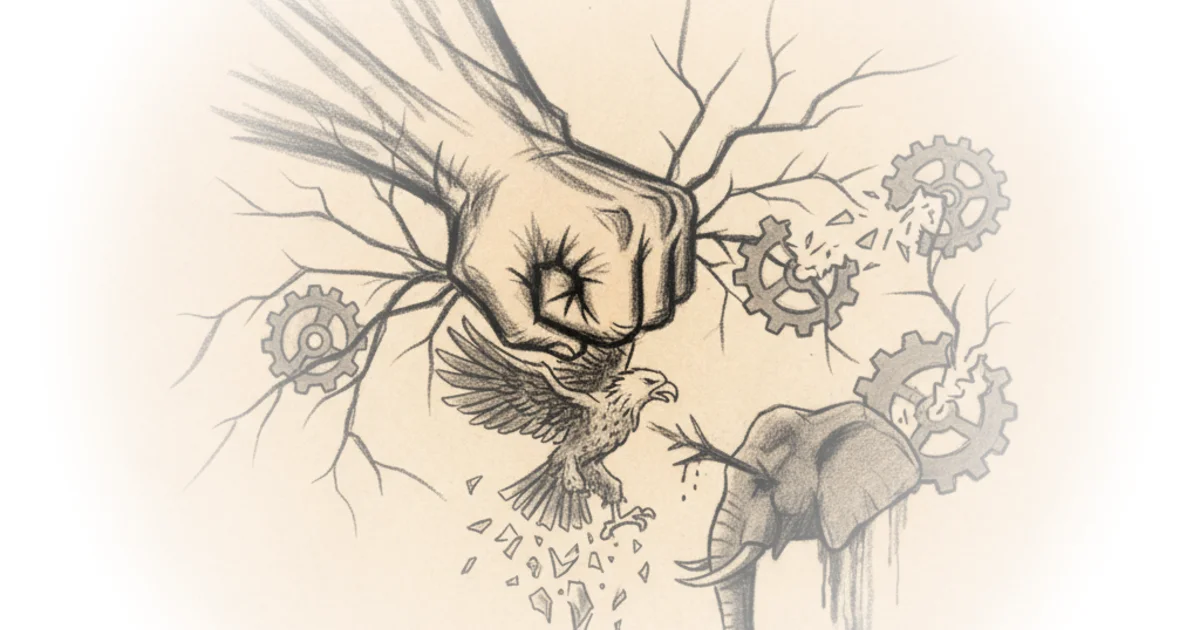
This framing is effective because it strips away the usual noise of campaign rhetoric to focus on the raw mechanics of power. The editors note that the administration's logic is simple: "a party organized around one man's petty vendettas may face problems down the road." This is a crucial distinction. It's not about policy disagreements; it's about the penalty for past independence.
"Trump's grudge against Cornyn prevailed over a cool assessment of Paxton's chances against Talarico, which look iffy in light of Paxton's legal and ethical scrapes."
The article meticulously details Cornyn's "sins," which range from a 2016 comment that the nominee could be an "albatross around the down-ballot races" to a 2023 remark that Trump's time had passed. Even though Cornyn later became a "reliable defender" and bragged about a "99% alignment" with the president, the piece suggests these efforts were futile. The administration's memory is long, and its criteria for loyalty are unforgiving. Critics might note that primary voters often prioritize ideological purity over electability, but the sheer volume of resources the administration poured into this race suggests a deliberate strategy to purge dissenters, not just a natural voter preference.
The Cost of Scandal
The commentary then pivots to the human and institutional cost of this loyalty test. Paxton is described as a "divisive and scandal-plagued Trump devotee," and the article does not shy away from the specifics. It details a 2015 felony indictment for securities fraud that was resolved with restitution and community service, a 2023 impeachment by the Texas House for abusing his office, and a recent divorce filed by his wife alleging adultery.
"Few politicians have garnered as much scandal in Texas as Paxton," the piece notes, quoting The Washington Post.
The argument here is that the administration's endorsement effectively immunizes a candidate from accountability that would normally be fatal. The piece highlights how Paxton's legal positions, such as filing a "frivolous and error-riddled lawsuit" to overturn the 2020 election results, may alienate moderate voters. The Supreme Court's dismissal of that suit, described by the article as wiping "nonsense from its docket with the eagerness of someone wiping dog excrement from the bottom of a shoe," underscores the disconnect between the primary base and the broader electorate.
"Paxton's eagerness to promote Trump's stolen-election fantasy in defiance of the facts and the law may not play well in the general election."
This section is particularly strong because it connects the dots between personal corruption and institutional erosion. The article points out that Paxton's disregard for civil liberties—evidenced by his investigation of Media Matters and his stance on the arrest of journalist Priscilla Villarreal—further complicates his path to victory. The piece argues that these actions are not just legal missteps but strategic blunders that could cost the party its Senate majority.
"Even if Paxton ultimately wins, the extra money that will be needed to counter the ethical case against him will draw resources from other races."
A counterargument worth considering is that the primary electorate is the only one that matters for the nomination, and general election fears are often overblown. However, the article's data on Texas voter sentiment—where half the state views the president unfavorably—suggests that the administration's calculus may be flawed. The stakes are high: in a year where 20 Republican seats are up, a single loss could be catastrophic.
Bottom Line
The strongest part of this argument is its unflinching look at how personal loyalty has superseded institutional stability, turning a seasoned legislator into a casualty of a grudge. Its biggest vulnerability is the assumption that the general electorate will react as predicted, though the historical precedent of the 2016 endorsements suggests the administration often misjudges the broader public. Watch for how the Senate majority holds up as this high-stakes gamble plays out in November.