Kahlil Greene presents a startling thesis: Hunter Biden has evolved from a symbol of corruption into a paradoxical cultural icon, not because of his achievements, but because his personal failures validate a deep, widespread distrust of American institutions. This piece distinguishes itself by tracing the arc from ironic internet memes to genuine populist appeal, arguing that the former president's son has become a vessel for a public that no longer believes in the fairness of the justice system or the integrity of the media.
The Architecture of an Ironic Icon
Greene begins by dismantling the idea that this phenomenon is born of genuine admiration. He notes that the audience's engagement stems from a specific cynicism. "Most of the people watching stopped trusting American institutions years ago, and Biden keeps telling them they were right to stop," Greene writes. This observation reframes the entire narrative. It is not about Hunter Biden the person, but what he represents to a disillusioned demographic.
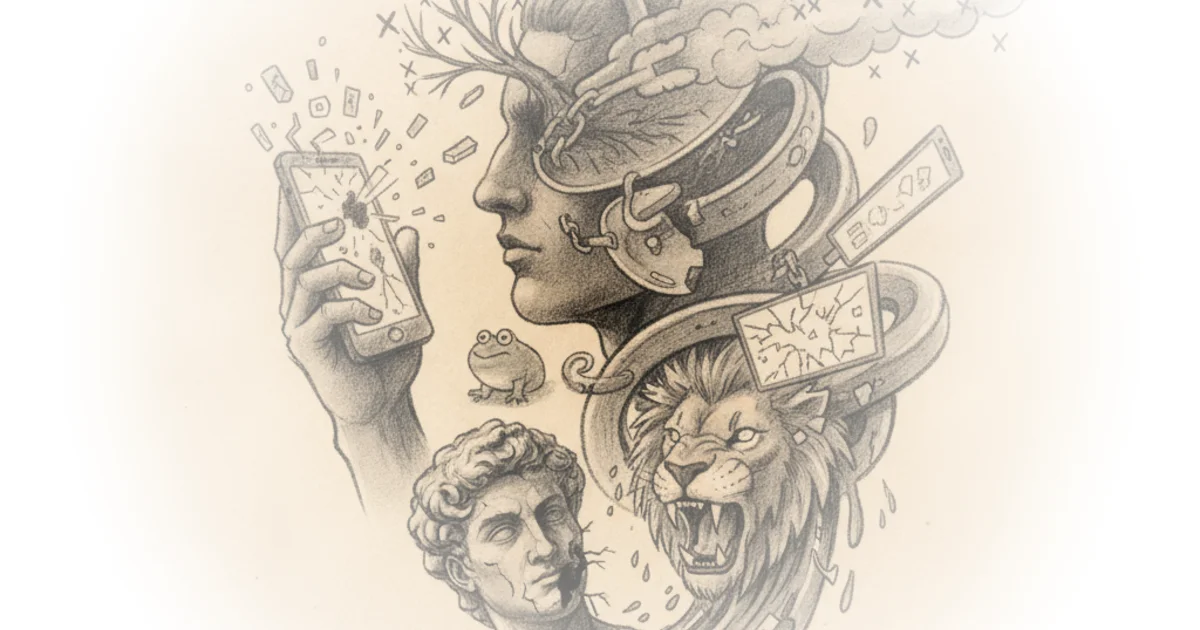
The author traces the origins of this sentiment to a wave of "irony-posting" that began in 2022. "He was given every opportunity and he still ended up a degenerate," Greene quotes a creator of the 'neoliberalhell' account, explaining that mocking a political system incapable of real change was a coping mechanism. This framing is crucial; it suggests that the initial wave of support was a form of satire that has since calcified into something more serious. The irony has worn off, leaving behind a raw recognition of failure.
"The notoriety that conservative media manufactured is the asset he now spends."
This sentence captures the central paradox of Greene's argument. The very forces that spent a decade weaponizing the laptop scandal and the Burisma board seat have inadvertently created the currency Biden now trades in. By engaging with figures like Candace Owens and Nick Fuentes, Biden is not just surviving the narrative; he is monetizing the skepticism that the narrative produced.
The Selective Sympathy of Addiction
The commentary takes a sharp turn into the history of drug policy, contrasting Biden's public reception with the historical treatment of crack cocaine users. Greene highlights the shift in Owens's perspective: "She had never considered that he was a crack user, she said, and she found that 'actually a very relatable thing.'" This moment of humanization, Greene argues, is a double-edged sword that exposes the hypocrisy of the War on Drugs.
He provides necessary historical context, noting that the 1986 Anti-Drug Abuse Act established a 100-to-1 sentencing ratio between crack and powder cocaine, a disparity that disproportionately impacted Black defendants. "In 1986, Black defendants received federal drug sentences that averaged 11 percent longer than the sentences white defendants received," Greene writes, a gap that widened to 49 percent just four years later. The fact that Biden, a white man, receives a platform to discuss his crack use while the legacy of the Fair Sentencing Act remains incomplete for others is the core of the critique.
Critics might note that Greene's focus on the racial disparity in sentencing, while historically accurate, risks equating the specific legal circumstances of a high-profile political figure with the systemic incarceration of marginalized communities. However, the argument holds weight in its observation that Biden's pardon and subsequent media tour have effectively insulated him from the consequences that would have befallen a different demographic.
The Cost of the 'Lions' Den' Strategy
Greene does not shy away from the moral cost of Biden's strategy. The author details the interview with Nick Fuentes, where the far-right activist used dehumanizing slurs against Jewish people. "Fuentes described Jewish people with dehumanizing slurs during the conversation, and Biden told him the language delegitimized everything he had to say," Greene reports. Yet, the alliance remains.
The piece argues that Biden's justification—that stopping the previous administration's agenda matters more than ideological purity—has dangerous implications. "Biden's answer, that stopping President Donald Trump matters more than any disagreement with the people who oppose him, is the argument that gets extremists back into general circulation," Greene writes. This is a powerful indictment of the transactional nature of modern political alliances, where the end goal of opposing a specific political figure justifies the means of platforming extremists.
"Hunter Biden has become a cultural icon in quite a narrow and specific sense."
Greene concludes that this iconography is fragile. It relies entirely on the audience's loss of faith in the system that prosecuted him. "Audiences who've lost faith in the institutions that spent years crucifying him have made him a figure of populist and alternative media, and his appeal lies in that loss of faith rather than in anything he has accomplished," he writes. The argument is compelling because it strips away the noise of the media circus to reveal the underlying structural rot.
Bottom Line
Greene's strongest contribution is his identification of the mechanism behind Biden's rise: the conversion of institutional distrust into a personal brand. The piece's vulnerability lies in its reliance on the assumption that this "ironic" fandom will not eventually fracture under the weight of genuine political polarization. The reader should watch to see if this populist appeal can survive once the immediate political threat that unified these disparate groups recedes.