Kings and Generals cuts through centuries of sensationalism to expose Caligula not as a cartoonish tyrant but as a traumatized survivor navigating Rome’s lethal power structures—a revelation with urgent resonance in our era of polarized leadership cults. Their most distinctive claim? That his infamous purge wasn’t madness but cold political calculus, validated by a near-contemporary Jewish eyewitness most historians ignore.
The Myth vs. The Man
Kings and Generals writes, "Caligula, a name that evokes the worst aspects of autocratic desperatism. For centuries, its mere utterance has conjured up lurid images of excess, corruption, incompetence, and insanity." Yet they immediately dismantle this caricature by highlighting how Gaius entered power as "the virtuous child who had stood before them on Germanicus’ chariot in 17 CE"—a figure Rome desperately embraced after Tiberius’s grim reign. The core argument is compelling: Gaius’s youth was defined by trauma (mother imprisoned, brothers executed), forcing him to master political survival on Capri. This lands because it reframes his later actions through lived experience rather than assumed pathology. Crucially, the author elevates Flavius Josephus—a contemporary who met Gaius twice—over biased senatorial sources like Suetonius, noting Josephus saw him as "skilled in discerning a man’s intentions from their open countenance." A counterargument worth considering: modern scholars like Aloys Winterling argue the epilepsy hypothesis (where ancient Romans often viewed seizures as divine punishment) can’t be dismissed so readily, especially given Gaius’s documented childhood medical crises.
Either Gaius and his family removed the threat or they themselves would be removed.
The Calculated Charade of Power
As Kings and Generals puts it, Gaius’s early reign saw him "disperse funds from Tiberius’s and Livia Drusilla’s wills" to cement popularity while tactfully "renounc[ing] the honors heaped upon him"—a masterclass in Augustan-style political theater. They meticulously trace how he resurrected the civilitas (public humility) Augustus pioneered, even sailing to Pandataria to rebury his exiled mother’s ashes in the Mausoleum of Augustus. This section shines by connecting ritual to realpolitik: his religious pageantry wasn’t mere vanity but a deliberate rebranding as Rome’s spiritual anchor. Yet the analysis overlooks how Villa Jovis—the cliffside fortress where Tiberius hosted mystics—shaped Gaius’s understanding of power as inherently theatrical. When he later staged his own divine persona, it wasn’t insanity but a logical extension of Capri’s performative politics. Critics might note the author underplays how damnatio memoriae (the Senate’s 41 CE decree erasing Caligula’s name from monuments) fueled later exaggerations, but they rightly stress contemporary Philo viewed Gaius’s purge of rivals as necessary after his near-fatal illness.
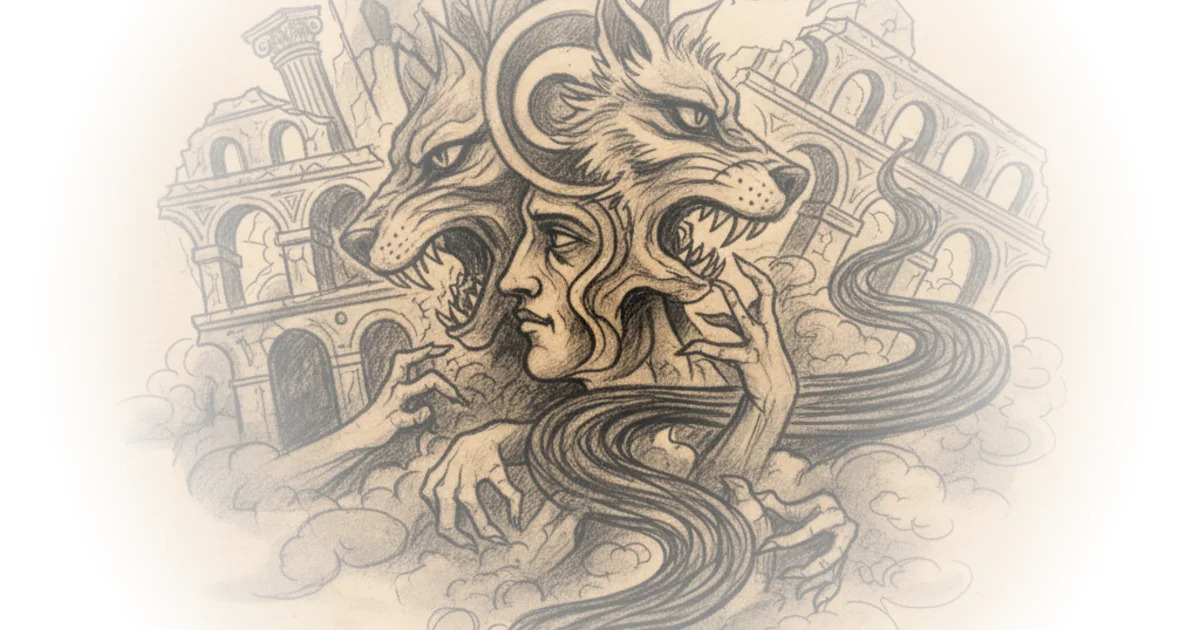
The Purge as Survival
Kings and Generals argues the turning point wasn’t madness but mortality: "If Gaius perished, Tiberius Gemellus was technically still too young to succeed. But Macro and Silvanus quickly backed the young heir to the throne." Their reconstruction of Gaius’s countermove—appointing sister Drusilla as heir, then eliminating rivals—is framed not as tyranny but existential defense. This lands with chilling plausibility when they cite Philo’s verdict: "contemporary authors... recognized it as a necessity in the immediate aftermath of a succession crisis." The evidence holds up because it centers primary sources over moralizing tropes. Still, the piece sidesteps how Gaius’s possible epilepsy (a condition stigmatized since Hippocrates’ "sacred disease" label) might have intensified his paranoia during recovery—a vulnerability modern readers should weigh.
Bottom Line
Kings and Generals’ strongest contribution is rehabilitating Flavius Josephus as the key to understanding Caligula’s rationality amid Rome’s bloodsport politics. Its biggest vulnerability is underestimating how physical illness could compound political trauma. Watch for whether new archaeological work at Villa Jovis reveals more about the psychological crucible that forged him.