This piece cuts through the noise of geopolitical posturing to expose a dangerous illusion: that a temporary pause in hostilities with Iran has somehow stabilized the region or signaled strength against Beijing. Jordan Schneider's WarTalk episode, featuring former Pentagon official Ely Ratner, argues that what looks like diplomacy is actually a retreat that emboldens adversaries and leaves allies exposed. For busy listeners tracking the shifting tides of global power, this conversation offers a sobering reality check on how domestic political fatigue is being weaponized by foreign powers to erode American deterrence.
The Illusion of Détente
Schneider frames the current geopolitical landscape not as a strategic masterstroke but as "the bs détente," a term that captures the hollow nature of recent engagements with Beijing and Tehran. The discussion opens by dissecting a recent Memorandum of Understanding (MOU) regarding Iran, which participants describe as a temporary ceasefire rather than a resolution. Bryan Clark notes the grim reality: "The agreement seems like it's fairly in Iran's favor... In the end, what did we really get out of it?" This is not just about one deal; it reflects a broader pattern where the executive branch prioritizes stopping immediate violence over securing long-term leverage.
The Venn diagram between what Iran is talking about and what the administration is talking about feels like almost zero. But does that get exposed, or do we all just pretend it's working?
Ratner's observation here is critical. It suggests a government more interested in managing the optics of peace than achieving actual security outcomes. The danger lies in the assumption that this pause buys time for strategy when it may simply be buying time for adversaries to rearm and recalibrate. Critics might argue that avoiding immediate escalation is always preferable, but the commentary rightly questions whether this specific truce sets a precedent that undermines future bargaining power.
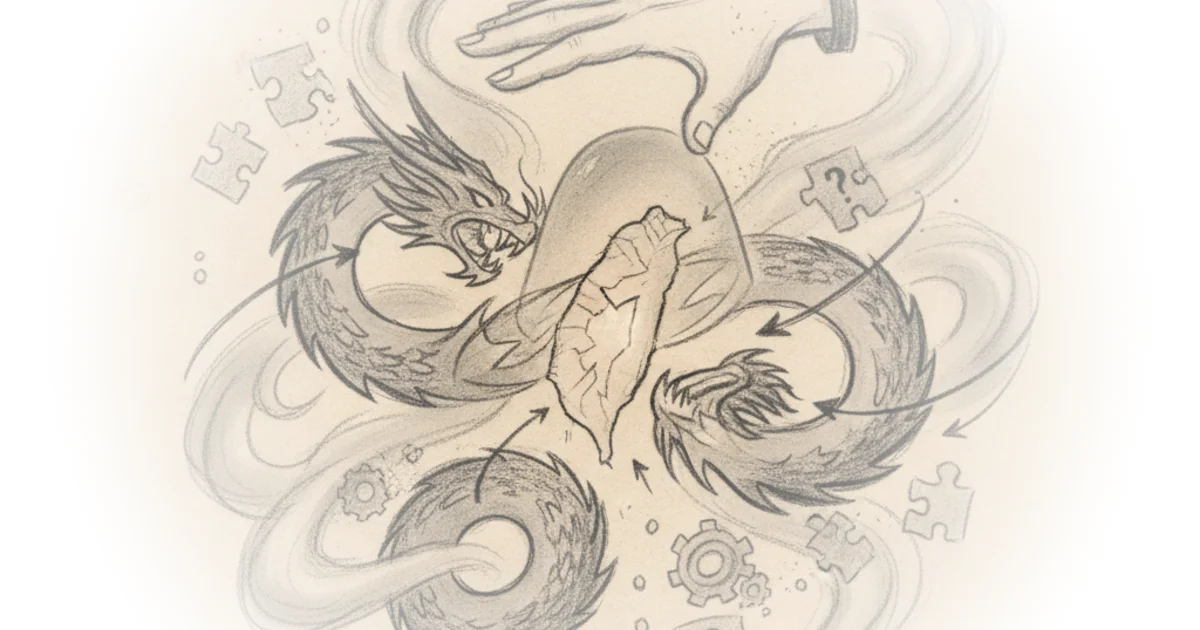
The Energy Trap and Strategic Blind Spots
A central theme of the conversation is the unintended consequences of Middle East policy on the Indo-Pacific theater. Justin raises a pivotal point about energy leverage: "If energy supply for China is now secure long-term in the event of a conflict, that changes the dynamic from the argument the administration was making for taking action." The logic follows that by allowing Iran to resume oil exports legally, the US has inadvertently secured a critical energy lifeline for its primary strategic rival.
Ratner pushes back against the notion that this is "three-dimensional chess," calling it a dangerous delusion. He argues that true deterrence requires consistency across theaters. "If you're holding up arms sales to Taiwan... then don't tell me you're prioritizing deterrence against China." This framing forces listeners to confront the disconnect between rhetorical commitment and material action. The administration's failure to back allies like Japan or India while engaging in half-measures with Iran creates a vacuum that Beijing is eager to fill.
There's a ton of work to do in the Indo-Pacific that's going to be more decisive than what's happening in Iran. So there's a lot of downside if it goes sideways, but I don't think it's been a defining hinge of Indo-Pacific security.
This assessment is both reassuring and alarming. It suggests that while the Middle East crisis was a distraction, the core strategic challenge remains unaddressed. However, it also implies that the window to correct course before a potential conflict in the Pacific narrows with every day of "détente" in the Middle East.
Taiwan's Resilience and the Human Cost of War
Perhaps the most compelling segment shifts focus from high-level strategy to the ground reality of preparation. Ratner, drawing on his recent trip to Taipei, highlights a significant shift in how Taiwan is preparing for conflict under President Lai. Unlike previous administrations that feared spooking the population, the current leadership has embraced transparency about the threat. "He's been very public about the nature of the threat, the need for society to prepare itself," Ratner observes.
This resilience agenda goes beyond military hardware; it involves civil defense, emergency response training, and a societal willingness to endure hardship. The discussion references the concept of a "fortress economy," noting that while Beijing has spent years preparing for a protracted conflict, the US and its allies have not matched this level of societal readiness.
To the extent the Taiwanese have steeled themselves against that, that makes things a lot harder for Beijing. The resilience agenda sits astride the deterrence agenda as a key part of keeping the peace here.
This focus on civilian preparedness is a stark reminder of the human cost of any potential conflict. It moves the conversation away from abstract "force multipliers" to the reality of fire departments, police departments, and ordinary citizens preparing for siege conditions. The argument that deterrence relies as much on societal will as it does on missile defense systems is a crucial correction to traditional military thinking.
What we started to see three or four years ago was some recognition in Beijing that the short, sharp invasion maybe wasn't going to be the only kinetic path... They might have to start thinking about the other end of the barbell for protraction.
The Political Puzzle of Mobilization
The piece concludes by addressing the hardest challenge: how to mobilize a war-weary American public for a conflict that feels distant. Ratner warns that framing China as an existential threat risks being dismissed as "military-industrial complex" propaganda, especially after decades of unpopular interventions. "If China gets thrown into the category of the Iran threat, it becomes very, very difficult," he notes.
Schneider and his guests grapple with the difficulty of making a case for sustained engagement when voters are exhausted by "forever wars." The argument suggests that the political narrative must shift from abstract geopolitical competition to concrete national interest, yet the path forward remains unclear. This is where the piece's analysis feels most urgent: without a new political language to describe the stakes, the US risks drifting into a confrontation it is neither prepared for nor willing to fight.
Bottom Line
Schneider and Ratner deliver a necessary corrective to the narrative of American strength, exposing how diplomatic half-measures in one theater are actively undermining security in another. The strongest part of their argument is the link between domestic political fatigue and strategic vulnerability, showing that "détente" is often just a cover for inaction. However, the piece leaves the reader with an unresolved tension: if the current strategy is flawed and public support is low, what is the viable alternative? Watch for how the next administration navigates this gap between the need for deterrence and the reality of political exhaustion.