Brad DeLong exposes a jarring disconnect between the written text of a new Iran agreement and the administration's insistence that only "invisible" back-channel deals matter. The piece forces listeners to confront a document that looks like a comprehensive surrender on paper, while officials claim it is merely political theater designed for domestic consumption in Tehran.
The Text vs. The Spin
DeLong begins by dissecting the actual language of the "Islamabad Memorandum of Understanding," noting how it grants Tehran almost every specific demand made during the conflict. He writes, "Behind the Trump team's talk of 'back-channels' lies a text that hands Tehran what it asked for, while Washington pretends nothing much has changed." This is not a subtle diplomatic nuance; the document explicitly promises an end to hostilities on all fronts, sanctions relief, and a staggering $300 billion in reconstruction funds.
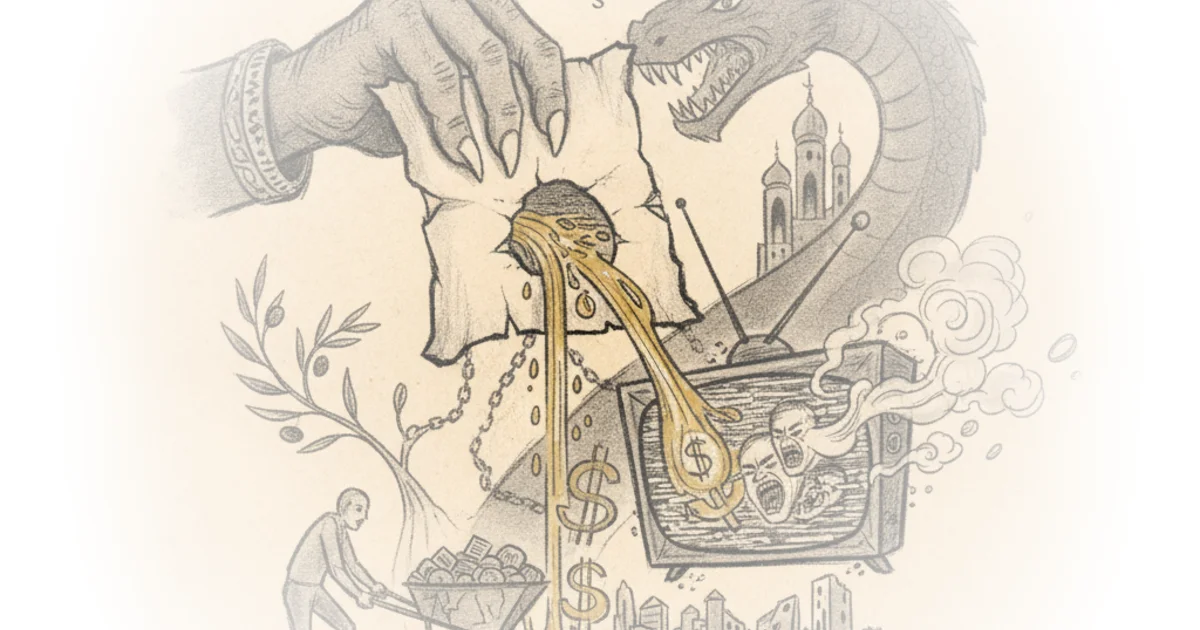
The author highlights specific clauses that demand immediate action from the executive branch: "US Treasury... issu[ing] waivers for the export of Iranian crude oil... termination of military operations on all fronts, including in Lebanon." DeLong points out the strategic fragility here. If the administration claims this text is meaningless, they must explain why it mandates an end to naval blockades within 30 days and requires the removal of US forces from proximity to Iran shortly thereafter.
The gap between the signed words and the subsequent denials that the document means anything is the story: it is supposedly just diplomatic theater, crafted so Tehran can claim internal domestic victory while Trump's team rely on invisible 'back-channel commitments' that Iran will fold its hand sixty days from now.
This framing suggests a profound lack of strategic clarity. Critics might argue that diplomacy often requires ambiguous language to allow both sides to save face, but DeLong counters that the specificity of the concessions—like the demining obligations and the precise timeline for oil waivers—undermines the idea that this is just vague theater.
The "Political Document" Defense
The commentary then shifts to how officials are attempting to sell this arrangement. DeLong cites reporting from CNN where US officials describe the text as a "political document" intended so Iranian negotiators can "sell it politically to their internal audience." He finds this defense deeply problematic. As he puts it, "That the only outcome everyone will openly own is sixty days of flowing oil, that is a striking measure of Trumpist strategic collapse."
The administration's position relies on the idea that the real deal exists in secret communications, not in the signed agreement. DeLong notes the officials' claim: "This is fundamentally an agreement that allows us to open the Strait of Hormuz immediately... and then gives us a dial where if the Iranians dial up their good behavior, we respond by dialing up the kind of economic and sanctions relief." Yet, the written text already mandates these actions. The reliance on invisible commitments creates a dangerous precedent where policy is dictated by unrecorded conversations rather than public law.
Historical Echoes and Unintended Consequences
DeLong brings in historian Niall Ferguson to explore whether this could be a lucky gamble that pays off later, despite the text looking like a defeat. Ferguson argues, "It's too soon to call this a U.S. surrender... peace is made... by actions... and as much by the unforeseen consequences of diplomacy as by the intended ones." DeLong acknowledges this counterpoint but remains skeptical, comparing the current situation to Woodrow Wilson's Fourteen Points.
He writes, "Right now, Trump's 14 Points look as wretched as Wilson's 14 Points looked splendid in 1918." The argument here is that while an unexpected regime change in Iran or a collapse of regional allies might eventually vindicate the administration, relying on such chaotic variables is not a strategy. The text effectively ends the "Maximum Pressure" campaign and halts military operations in Lebanon, a move with immediate humanitarian implications for civilians caught in crossfire. While the administration hopes that economic prosperity will destabilize the Iranian regime from within, the immediate effect is a cessation of hostilities that may embolden hardliners who secured such favorable terms.
For, if one just reads it, the Islamabad MOU looks like a comprehensive U.S. climb-down: peace on all fronts, rapid dismantling of the naval blockade, restoration of pre-war shipping, a huge reconstruction fund, sanctions termination, and a highly deferential approach to Iran's nuclear program and regional role.
Bottom Line
The strongest element of DeLong's analysis is his insistence that the text itself must be judged on its own terms, regardless of the administration's attempts to dismiss it as mere theater. The agreement's specific mandates for sanctions relief and troop withdrawal contradict the narrative of a "tough" negotiation.
The argument's vulnerability lies in its assumption that the written word will dictate future reality; history shows that secret back-channels often override public documents, potentially rendering DeLong's critique of the text moot if those hidden commitments hold. However, until those secrets are revealed or proven effective, the public record stands as a significant concession to Tehran.
Readers should watch for whether the promised $300 billion reconstruction fund materializes and how the administration handles the inevitable breach of this agreement if any future Israeli military action occurs in Lebanon.