Chris Chappell doesn't just report on a Taiwanese election rally; he exposes a surreal collision of pop culture, geopolitical anxiety, and a sophisticated disinformation war that is actively reshaping the Indo-Pacific. While the surface narrative is about crowd sizes and campaign promises, the underlying story is about how a small island nation is weaponizing its unique "democracy culture" against a massive, state-sponsored effort to divide its society. This coverage is essential because it moves beyond the typical "China vs. Taiwan" binary to show the messy, human reality of a population under siege, where political swag looks like concert merchandise and a YouTube influencer is actually a state agent.
The Vibe of a Nation on Edge
Chappell immediately distinguishes the atmosphere of the two major political camps, noting that the ruling Democratic Progressive Party (DPP) rally felt less like a traditional political gathering and more like a cultural event. "It just looked like normal people going to a concert or an event yesterday it looked like diehard fans of something," he observes, contrasting this with the more rigid, flag-waving fervor of the opposition Kuomintang (KMT) rally. This distinction is crucial; it suggests that for many younger Taiwanese, supporting the incumbent is not just a political choice but a lifestyle identity, blending civic duty with the energy of a music festival.
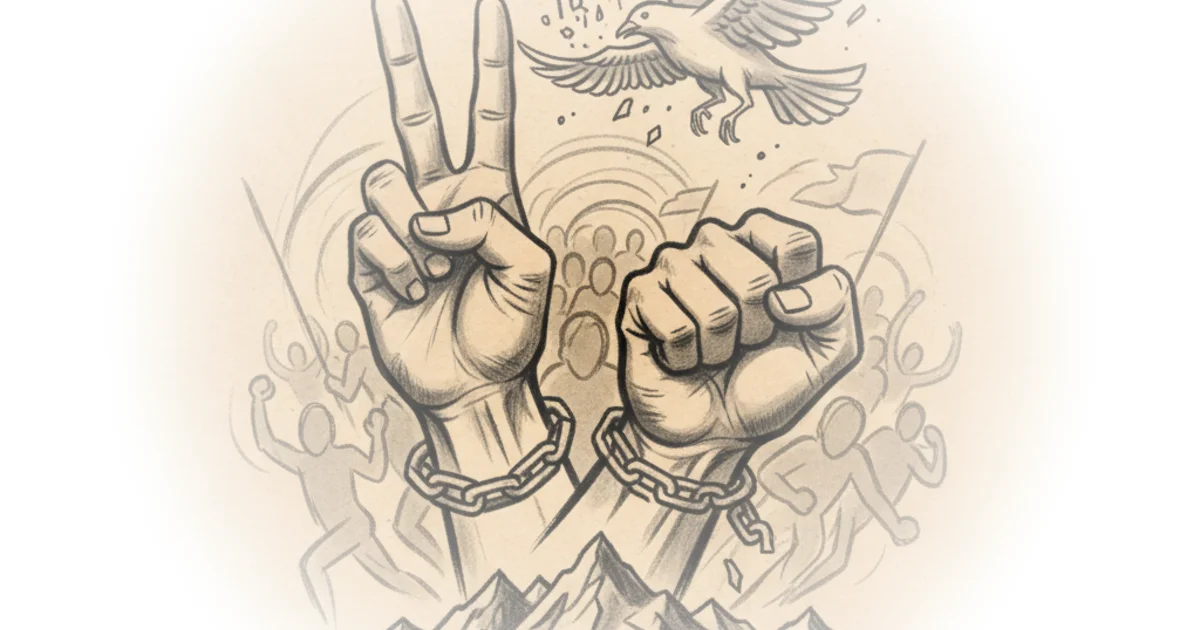
The author highlights the logistical hurdles that make this election uniquely stressful for voters. Unlike the U.S., where absentee ballots are common, Taiwan requires citizens to return to their registered household address to vote. "For a lot of people they have to travel to vote not where they're living now," Chappell explains, noting that this system has driven a record number of overseas voters to return home. This structural detail underscores the high stakes: the election is not just about policy, but about a physical mobilization of the entire diaspora.
"People are very on edge about this election on both sides really there's a lot of anxiety."
This anxiety is palpable in the crowd dynamics Chappell describes, where the sheer density of people creates a chaotic, almost electric environment. The presence of Hong Kong protesters at the DPP rally, shouting slogans from their own struggle, adds a layer of transnational solidarity that was absent at the KMT event. "Hong Kong has definitely played a big role it definitely played a role in this election," Chappell notes, framing the election as a referendum on the broader concept of democracy in the region. Critics might argue that focusing on the emotional atmosphere overlooks the hard policy differences between the parties, but Chappell's point is that in a high-stakes environment, the emotional resonance of the campaign is a primary indicator of voter sentiment.
The Digital Battlefield and State-Sponsored Influence
The most alarming section of Chappell's coverage shifts from the physical rally to the digital realm, where a shadow war is being fought. He reveals a sophisticated disinformation campaign where state-run Chinese media is disguising itself as independent commentary. "Here is a Chinese state-run media kind of having a political commentary show on YouTube that's trying to influence how people feel about Taiwanese politics while disguising it as like some time we need you guys opinion," he writes, referring to a host who poses as a local expert but is actually an employee of China National Radio.
This tactic mirrors the content farms seen during the 2016 U.S. election, but with a specific geopolitical goal. "They're not necessarily just trying to spew out like Pro Chinese Communist Party propaganda they're actually trying to also divide Taiwanese society," Chappell argues. This is a critical insight: the goal isn't just to promote a specific candidate, but to fracture the social fabric of Taiwan from within. The strategy relies on amplifying internal divisions rather than just broadcasting external propaganda.
"The key here again familiar with the what happened in the 2016 US election is they're not necessarily just trying to spew out like Pro Chinese Communist Party propaganda they're actually trying to also divide Taiwanese society."
Chappell also touches on the "red media" phenomenon, where traditional Taiwanese outlets have been bought or influenced by Beijing, extending the disinformation war into mainstream news. The scale of this operation is vast, yet it often flies under the radar of international observers who focus solely on military posturing. The inclusion of a humorous aside about the author's own potential as a YouTuber—"I'm an American youtuber in Taiwan... I am a Taiwanese youtuber currently not sure that's how it works"—serves to humanize the narrative, reminding the audience that the battle for information is also a battle for authentic voices.
Geopolitical Ripples in the Pacific
The commentary concludes by zooming out to the broader implications for the United States and the Indo-Pacific. Chappell notes that the election outcome will dictate the trajectory of U.S.-Taiwan relations, which have seen a significant thaw under the current administration. He points to the unprecedented phone call between the Taiwanese president and the U.S. president-elect, which caused a "two-day freakout" in Beijing, as a sign of shifting dynamics.
"If a friendly time when these government comes in there could be a total change in the us-china relation we could get a lot closer it could become a real barrier to Communist Party's expansionism in the Pacific," Chappell posits. This framing is vital for American readers, as it connects a local election to their own national security interests. The passage of the TAIPEI Act and the sale of F-16s are cited as evidence of a more robust U.S. commitment, but the ultimate test lies in the election results.
Critics might note that the U.S. policy toward Taiwan remains a delicate balancing act, and a shift in leadership could complicate diplomatic efforts. However, Chappell's analysis suggests that the current momentum is toward greater alignment, driven by shared concerns over authoritarian expansion. The election is not just a local affair; it is a barometer for the future of the liberal international order in Asia.
"How Taiwan stands up to the Chinese counties party which is a big part of this election does kind of set the course for what will happen to the rest of the world as well."
Bottom Line
Chris Chappell's coverage succeeds by peeling back the layers of a high-stakes election to reveal a complex ecosystem of cultural identity, logistical challenges, and digital warfare. The strongest part of the argument is the exposure of the state-sponsored disinformation campaign, which reframes the election as a defense of information integrity as much as a vote for a president. The biggest vulnerability is the inherent unpredictability of polling in such a polarized environment, but the underlying anxiety Chappell captures is undeniable. For busy observers, the takeaway is clear: the outcome of this election will ripple far beyond the island, shaping the balance of power in the Pacific for decades to come.