Freddie deBoer delivers a provocative diagnosis of modern culture: the most corrosive political habit forming today isn't radical activism, but a paralyzing fear of appearing on the "wrong" side of an identity debate. He argues that the refusal to critique toxic fandom dynamics—specifically the conflation of shipping preferences with actual bigotry—is a symptom of a broader liberal avoidance that has allowed extreme rhetoric to colonize mainstream institutions.
The Weaponization of Identity in Fandom
DeBoer begins by dissecting the explosive backlash to the Stranger Things finale, where fans who rejected the "Byler" shipping theory (pairing Will Byers and Mike Wheeler) were accused of homophobia. He notes that this wasn't just passionate disagreement; it was a moral panic where "the idea that someone might simply prefer a different storyline was routinely dismissed as making excuses for anti-gay feelings." The author observes that this dynamic has turned fandom into a training ground for a specific, dangerous rhetorical tool.
"When a fifteen-year-old discovers that she can win a dispute about whether two cartoon boys should kiss by announcing that her opponents are homophobes... she has learned something genuinely useful and genuinely corrosive: that this kind of behavior is a move, a tool, available on demand."
This framing is sharp. DeBoer correctly identifies that these aren't isolated internet squabbles but a transferable skill set. The argument gains weight when he connects this to historical precedents like the "Harry-Hermione" shipping wars or the accusations of racism leveled at fans who prefer the Reylo pairing in Star Wars. In those conflicts, "shipping wars tend to depend very heavily on extremely loose definitions of abuse," a pattern that has only intensified. Critics might argue that dismissing these accusations as mere "internet nonsense" ignores the very real anxiety young queer people feel about representation, but deBoer's point is that equating narrative disappointment with hate crimes ultimately dilutes the meaning of actual bigotry.
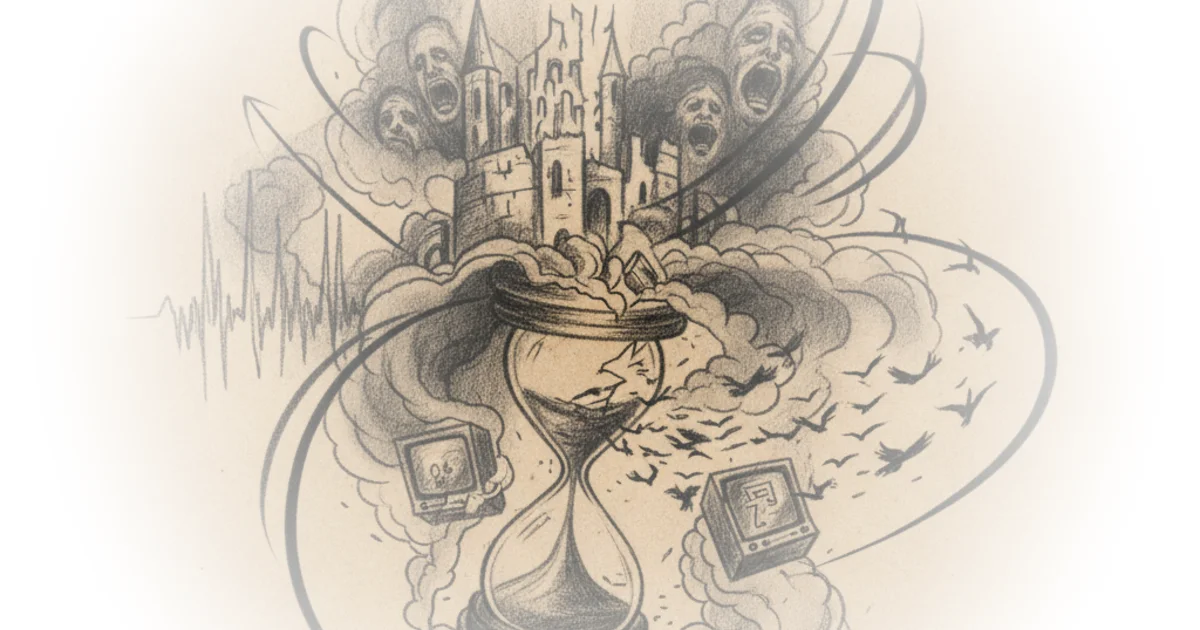
The Politics of Avoidance
The commentary shifts to the heart of the matter: why do reasonable people stay silent? DeBoer posits that the silence isn't born of agreement, but of a fear of being associated with the right. He traces this back to the early 2010s, when media liberals dismissed campus activism as irrelevant because they "really didn't want to look like Republicans." This strategy of avoidance allowed radical ideas to solidify into institutional norms without pushback.
"It's associative politics at its purest and most corrosive... the game is never to appear to say the sort of thing our opponents say."
He illustrates this with the "snowflake" discourse, suggesting that the culture's obsession with protecting young people from psychic pain has inadvertently created generations unable to navigate loss. "Our culture has prevented them from developing the skills and mindset necessary to handle adversity and disappointment," deBoer writes, noting that this position is often abandoned because it risks being caricatured as a right-wing attack. The same dynamic plays out in the academic defense of Jason Arday, where the fear of appearing insensitive to a Black and autistic scholar overrides concerns about plagiarism and statistical improbability.
"The fear of looking like the wrong kind of person is more powerful than the easily-discarded principles of academic integrity."
This is a damning critique of the current media landscape. By refusing to engage with the "TikTok dissociative identity disorder epidemic" or other implausible phenomena for fear of sounding like "Old Man Yells at Cloud," liberals have allowed absurdity to become orthodoxy. The historical context of "Conformity Gate" reinforces this: just as fans police narrative deviations, institutions now police ideological deviations to avoid the stigma of being "the wrong sort of person."
The Cost of Silence
DeBoer's central warning is that this avoidance is not a neutral stance; it is an active enabler. By treating the weaponization of identity politics as a trivial matter, the broader culture fails to inoculate young people against the corrosive effects of these tactics. "We can teach them that accusations of bigotry are powerful and fraught and should never be used frivolously," he suggests, "or we can do what so many people do these days and say 'Hey, they're just stupid kids, this is just online stuff, it doesn't matter...'"
The author's choice to link the Stranger Things backlash to the broader trajectory of progressive culture is its most compelling move. It suggests that the "Byler" phenomenon is not an anomaly but a preview of how political discourse will function in the near future if the current habits of avoidance continue. The stakes are high: "Homophobia is real and sometimes deadly and this sort of thing just makes it harder to fight," deBoer reminds us, arguing that trivializing the concept of bigotry through narrative disputes ultimately harms the very communities it claims to protect.
"Homophobia is real and sometimes deadly and this sort of thing just makes it harder to fight."
Critics might contend that deBoer underestimates the genuine emotional investment fans have in representation, or that his historical parallels are too reductive. However, the core insight—that the refusal to critique bad faith arguments in the name of political safety is a self-defeating strategy—remains robust. The piece serves as a stark reminder that the path to a healthier public square requires the courage to say "no," even when the alternative is being labeled part of the problem.
Bottom Line
DeBoer's strongest argument is that the fear of appearing conservative has paralyzed the left's ability to critique the excesses of its own base, allowing toxic rhetorical habits to metastasize from fandom to the workplace and the academy. The piece's biggest vulnerability is its potential to alienate readers who view his critique of fandom as a dismissal of genuine struggles for representation, yet the warning about the long-term political cost of this avoidance is impossible to ignore. The reader should watch for whether this "associative politics" continues to drive policy and media narratives, or if a backlash against the fear of being "the wrong kind of person" finally emerges.