Rick Rubin delivers something we rarely get from fallen titans: not a redemption arc, but a raw account of how childhood trauma shaped a billion-dollar idea. The most startling revelation isn’t Neumann’s business genius—it’s how a dyslexic kid surviving parental chaos in an Israeli kibbutz reverse-engineered community as a business model. This isn’t startup porn; it’s a psychological blueprint for why WeWork felt like church to its true believers.
The Ritual of Clarity
Rubin opens with Neumann’s pre-dawn routine—a meditation practice that’s less Silicon Valley cliché than spiritual triage. "I start with very easygoing nostrils, right left, little sensations in the fingers... seeing what side am I waking up on is it my left side or my right side my creative side or my logical side," Neumann explains, framing mindfulness as a daily recalibration between intuition and analysis. Rubin smartly contrasts this with Neumann’s past: "What I realized before I was so busy doing that there was no Adam time." The insight lands because it reveals the core tension in Neumann’s story—he built a company selling "community" while starving for his own quiet space. Critics might note this spiritual framing risks romanticizing hustle culture, but Rubin avoids that trap by showing how Neumann’s Judaism anchors the practice: "Some people say that praying is speaking to God and meditation is listening. I think I was busy doing a lot of speaking. And I think for my lately listening has been what I've been craving more." It’s a rare admission from a CEO that presence matters more than pitch decks.
"I think when you take your time, maybe you think you own it. When it comes out of nowhere, you could give it. It's bigger than you."
Kibbutz as Blueprint
Rubin then excavates Neumann’s childhood with surgical precision—13 moves, parental divorce, dyslexia—and lands on the kibbutz as the emotional engine of WeWork. "The first time that I felt safe was in that community," Neumann recalls, describing neighbors who checked on him after violent nights at home. Rubin brilliantly connects this to Neumann’s obsession with "making the uncool kids cool," arguing that WeWork wasn’t about real estate but replicating that childhood safety net. The paraphrase hits hard: Neumann moved to New York post-9/11, shocked that Americans didn’t introduce themselves, and with his sister threw a roof party that transformed his building. Rubin shows how this wasn’t just networking—it was kibbutz energy weaponized for capitalism. Yet the piece overlooks a key tension: communal living on a kibbutz meant shared poverty, while WeWork monetized community for venture capital. Rubin lets Neumann’s nostalgia stand unchallenged, missing a chance to ask whether "safety" scales when venture money enters the room.
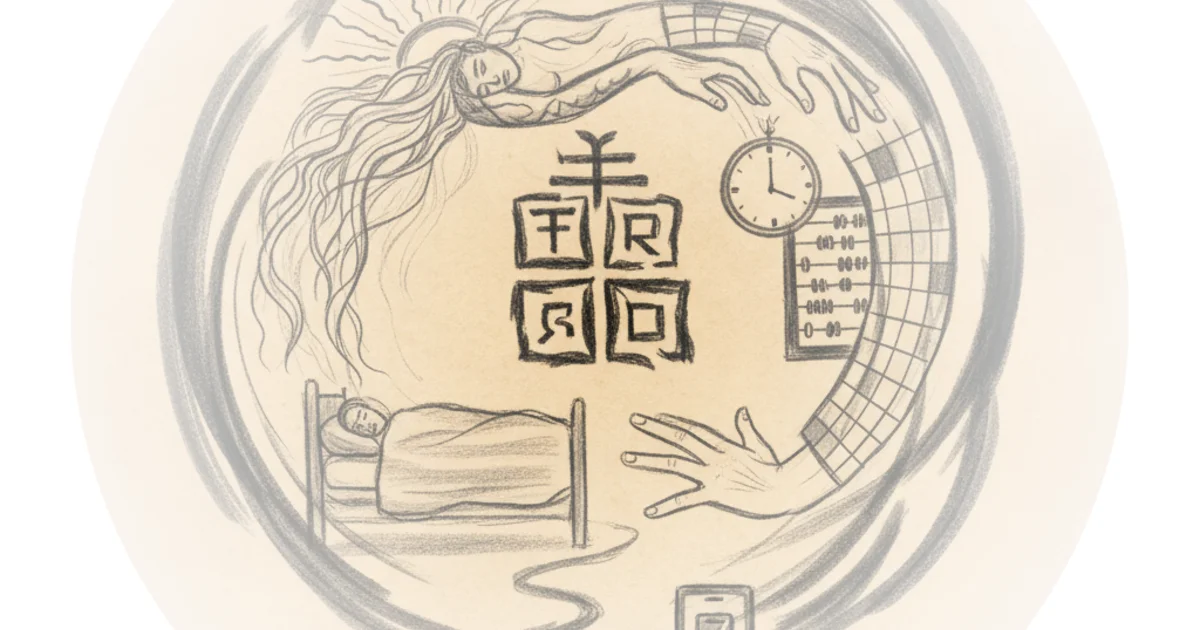
The Accidental Billionaire
Most origin stories mythologize the "aha" moment. Rubin subverts this by revealing WeWork’s birth as almost accidental—a conversation with a landlord named Mr. Gutman who mocked Neumann’s failing baby-clothes business. "Adam, why would you say my business is so bad?" Neumann recounts, then describes Gutman’s pivotal question: "What would you do if I gave you this floor?" Rubin’s genius is highlighting how Neumann’s wife Rebecca catalyzed the shift: "What do you know about babies? What do you know about fashion? Why is this your business?" It’s a masterclass in how great ideas emerge from personal friction, not sterile brainstorming. The paraphrase nails it: Neumann’s eyes naturally drifted upward toward buildings, and Rebecca saw his passion before he did. But Rubin soft-pedals the risk here—Neumann admits he knew nothing about real estate, raising questions about whether this intuition was genius or hubris. Still, the evidence holds up: Craigslist ads filled WeWork’s first floor in five days because, as Neumann argues, "This is not real estate. It's going to be countercyclical. More people are going to want to be here" during the 2008 crash.
Bottom Line
Rubin’s triumph is humanizing a figure reduced to memes—showing how Neumann’s trauma forged WeWork’s soul. Its vulnerability? Glossing over how that same trauma-driven vision became a vehicle for excess. Watch whether Neumann’s new ventures treat community as a product or a purpose.