In a live broadcast that doubles as a celebration and a policy critique, Chris Chappell transforms a milestone video into a sharp examination of how information flows across the Pacific. The most striking element isn't the confetti cake or the subscriber count, but the candid admission that the platform hosting this celebration immediately demonetized the very video marking its success. Chappell uses this irony to pivot from a party atmosphere to a serious discussion about narrative control, arguing that the Chinese Communist Party's greatest weapon is not just censorship at home, but the subtle reframing of its actions in Western media.
The Platform Paradox
The segment opens with the chaotic energy of a live stream, yet quickly reveals a calculated critique of the digital ecosystem. Chappell notes the immediate financial penalty imposed by the host platform, stating, "YouTube instantly demonetized it... for being controversial for most advertisers." This moment serves as the entry point for a broader argument about the fragility of independent journalism on corporate-owned platforms. He acknowledges the necessity of these spaces while highlighting their contradictions: "YouTube is still a good platform... but really it's you don't want them to fail, you want them to do better."
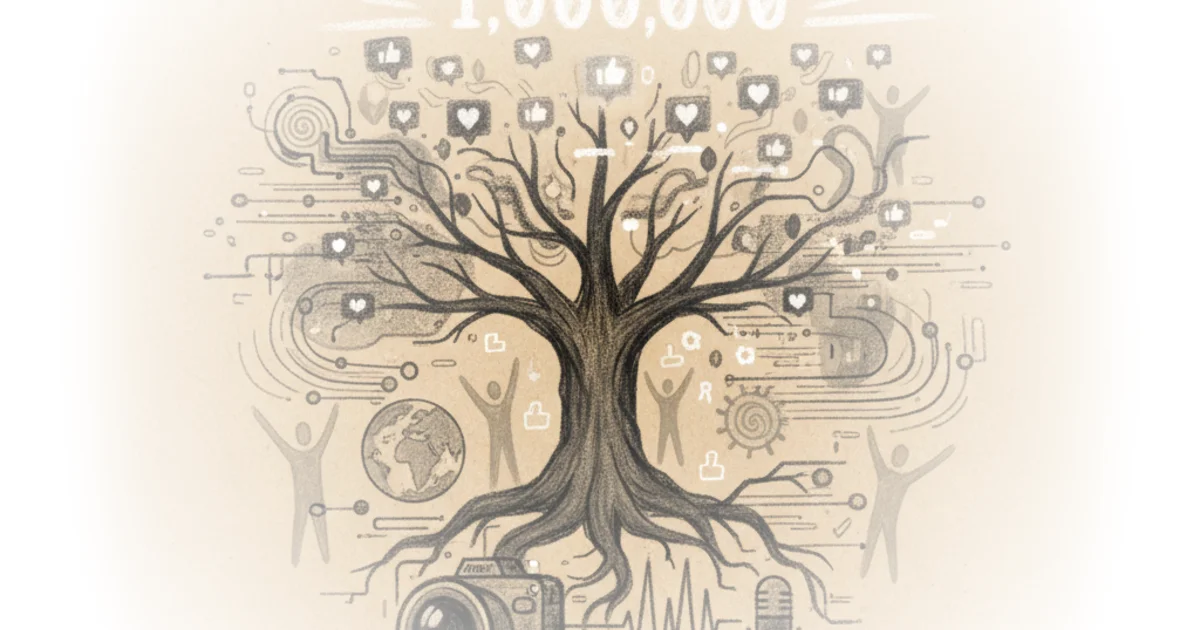
Chappell's framing here is effective because it avoids the trap of simple anti-corporate ranting. Instead, he positions the platform as a flawed but essential infrastructure for truth-telling. He suggests that the algorithmic suppression of content regarding China is not merely a glitch, but a reflection of a broader discomfort with challenging the status quo. The underlying point is that the administration's reliance on foreign state narratives often goes unchallenged because the mechanisms of distribution are hostile to dissenting voices.
Subverting the Narrative
The core of the commentary shifts when a viewer asks for the "simplest way that we can subvert the CCP." Chappell's response is deceptively simple: education. He argues that the Communist Party's power relies heavily on controlling the story, asserting, "The more people know the truth, the more that goes against the CCP." He points out that the regime is actively trying to "control the narrative about how Americans think about China," making the act of sharing information a direct counter-measure.
This argument gains weight when Chappell connects it to current events, specifically the global response to the coronavirus outbreak. He observes that Western outlets have begun echoing Chinese state media talking points, noting, "A lot of the ideas about... it being racist to talk about the corona virus in a certain way... are kind of twisting that narrative." He critiques the tendency to label any criticism of the Chinese government's initial handling of the outbreak as racist, arguing that this framing shields the regime from accountability. "Questioning the numbers or saying that they didn't do a good job... is like you're not supporting... we should all be one," he paraphrases the prevailing narrative, before dismantling it. The administration's tendency to praise the Chinese response without scrutiny, he implies, stems from a desire to avoid conflict rather than a genuine assessment of the facts.
Awareness is the most important thing for just the general public to know what the Chinese Communist Party is doing.
Critics might note that Chappell's focus on "awareness" as the primary tool for subversion risks underestimating the structural and economic levers that sustain the regime's power. While information is vital, policy changes and diplomatic pressure often require more than just public knowledge. However, his point about the erosion of critical thinking in Western media remains a potent observation.
The Human Element
Amidst the geopolitical analysis, Chappell weaves in the human cost of this information war. He reflects on the show's eight-year journey, recalling the early days of covering the 2014 protests in Hong Kong when the subscriber count was a fraction of what it is today. He emphasizes the role of his production team, particularly video editor Sheamus, who has been instrumental in maintaining the show's output. "When I had to... it meant like the most we could do was like two episodes a week," he recalls, contrasting that with the current volume of content. This personal touch grounds the high-level policy discussion, reminding the audience that these narratives are being fought for by individuals working against significant odds.
The segment concludes with a mix of levity and resolve. Chappell addresses the absurdity of the situation—celebrating a million subscribers while being demonetized for the celebration itself. He jokes about the cake and the pickles, but the underlying message is clear: the fight for an accurate understanding of China is ongoing, and the stakes are high. He notes that even the White House has been "consistently praising their response" to the virus, ignoring the flaws in their strategy. This silence, he suggests, is a form of complicity that independent voices must work to break.
Bottom Line
Chappell's commentary succeeds by turning a celebratory milestone into a case study on the difficulty of maintaining independent discourse in a polarized media landscape. His strongest argument is the identification of how Western media narratives have been co-opted to shield the Chinese government from criticism, particularly regarding the pandemic. The piece's vulnerability lies in its reliance on individual awareness as the primary solution to a systemic problem, but it effectively highlights the urgent need for a more critical public discourse. The reader is left with a clear takeaway: the battle for truth is not just about facts, but about who controls the story.