Devin Stone reframes a century-old true crime saga not as a sensationalist tale of monsters, but as a chilling case study in how intellectual arrogance can dismantle the very logic it claims to uphold. The piece's most striking claim is that the "perfect crime" failed not because of police brilliance, but because the perpetrators' Nietzschean delusions blinded them to basic human error. This is essential listening for anyone interested in the intersection of psychology, law, and the limits of human rationality.
The Philosophy of Superiority
Stone anchors the narrative in the specific intellectual milieu of the 1920s, arguing that the killers were driven less by malice than by a warped philosophical experiment. He writes, "Leopold and Loeb had separately been lauded as prodigies since they were toddlers... together they come to believe that they are truly superior to nearly everyone else." This framing is crucial; it shifts the focus from simple psychopathy to a dangerous ideological conviction. The duo didn't just kill; they believed their intellect exempted them from the consequences of murder.
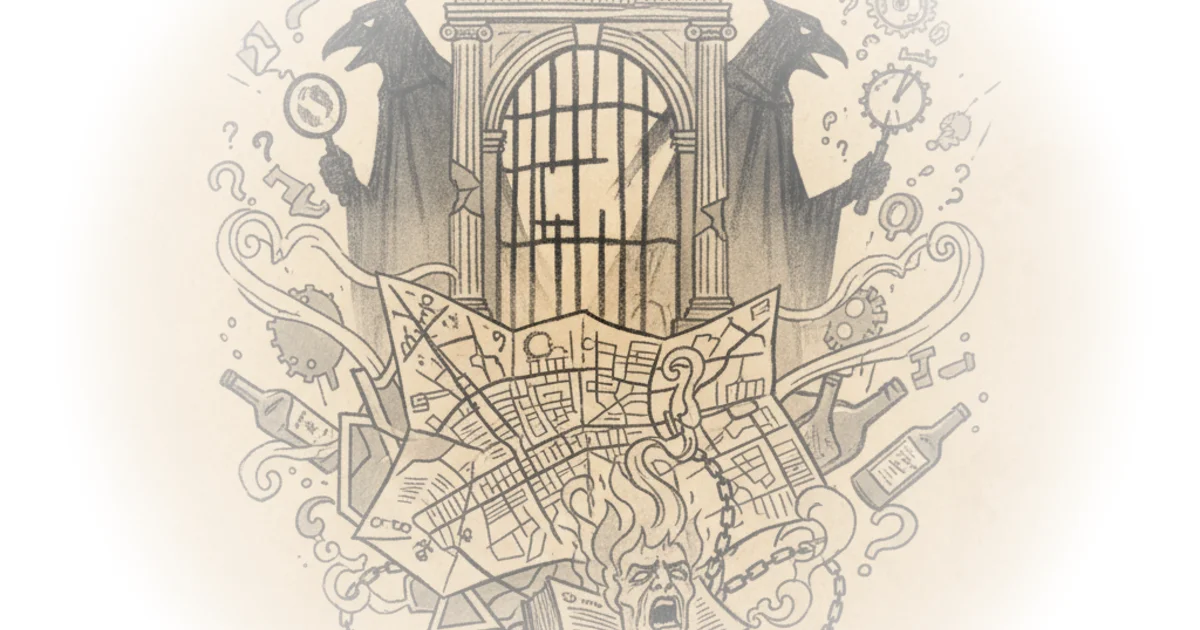
Stone highlights how they weaponized the concept of the "Superman" to justify their actions. As Stone puts it, "Riding a Superman is on account of certain superior qualities inherent in him exempted from the ordinary laws which govern men." This quote captures the core delusion: the belief that high IQ equates to moral immunity. The commentary here is sharp, suggesting that their tragedy was a failure of philosophy as much as morality. Critics might note that attributing their actions solely to Nietzschean philosophy risks oversimplifying the complex psychological disorders at play, but Stone effectively uses the philosophy to explain their motivation rather than their pathology.
The Mechanics of Failure
The narrative then pivots to the execution of the crime, where Stone meticulously details the gap between the killers' grand plans and their sloppy reality. He notes the sheer scale of their preparation: "The two demented prodigies spend 7 months making their murderous plans." Yet, despite this months-long planning, their execution was riddled with amateurish errors. Stone writes, "The pair plot and complete each villainous step seemingly failing to realize that each one exposes them to more eyewitnesses." This irony is the engine of the piece: the more they tried to be perfect, the more they revealed themselves.
Stone emphasizes the disconnect between their self-image and their actions. "Their twisted sense of superiority prevents them from ever considering the possibility of human hair," he observes, referring to how they left behind critical evidence. This is a powerful observation on the limits of rationalization. They could plan a complex kidnapping, but they couldn't anticipate a simple pair of glasses being left behind. As Stone puts it, "Leopold's forgotten glasses [were] the most damning evidence." The police didn't need a genius to solve the case; they just needed to find the one object the geniuses forgot to account for.
The two self-proclaimed geniuses, having an inkling that tangible evidence against them is already being collected, were already undone by the very arrogance they thought would protect them.
The Collapse of the Alibi
As the investigation closes in, Stone details the frantic, panicked attempts by the killers to manipulate the narrative, which only accelerated their downfall. He describes how they tried to frame an innocent student, noting, "Leopold's genius ideas to frame one of his bird enthusiast students... Leopold doesn't even consider that Luis may have a rock-solid alibi." This moment is pivotal. Stone argues that their panic stripped away their intellectual veneer, leaving them acting on impulse rather than calculation.
The piece highlights the absurdity of their attempts to maintain control. Stone writes, "Leopold clumsily invents a story they spilled some red wine in the car... this might make sense but this is not lobes car." The detail that they were cleaning a car that didn't belong to them, while trying to hide bloodstains, underscores the total collapse of their logic. Stone's commentary suggests that the legal system doesn't just punish the act; it exposes the fragility of the criminal mind when faced with reality. The police followed "one clue after another for six days," proving that the "perfect crime" was a myth from the start.
Bottom Line
Stone's strongest argument is that the Leopold and Loeb case remains relevant because it exposes the dangerous myth that intelligence can outmaneuver the law. The piece's biggest vulnerability is its reliance on the killers' own internal logic to explain their downfall, which occasionally risks romanticizing their intellect before debunking it. However, the ultimate verdict is clear: no amount of genius can compensate for the fundamental error of believing one is above the rules of society.