Devin Stone doesn't just report on a corporate merger; he exposes a potential collision between media consolidation and crony capitalism that threatens the very independence of the press. While the headlines focus on the $108 billion price tag, Stone's most disturbing claim is that the regulatory approval process has already been compromised by a $16 million settlement and direct appeals to the White House. This is not merely a business story; it is a case study in how political connections are being weaponized to bypass antitrust laws.
The Pattern of Pay-to-Play
Stone begins by dismantling the chaotic narrative of the media landscape, noting that "Warner Brothers is not for sale. No, wait. It is for sale and Netflix is buying it." But he quickly pivots to the real story: the involvement of the president allies in the Paramount bid. He highlights a disturbing precedent set just months prior, where Paramount settled a frivolous lawsuit against the president for $16 million, only to have the Federal Communications Commission approve their merger shortly after. Stone writes, "It certainly seems that way. I mean, and all available evidence suggests that the answer is yes." This observation is crucial because it transforms a legal settlement into a potential bribe, suggesting a new norm where regulatory hurdles can be cleared with a specific cash figure.
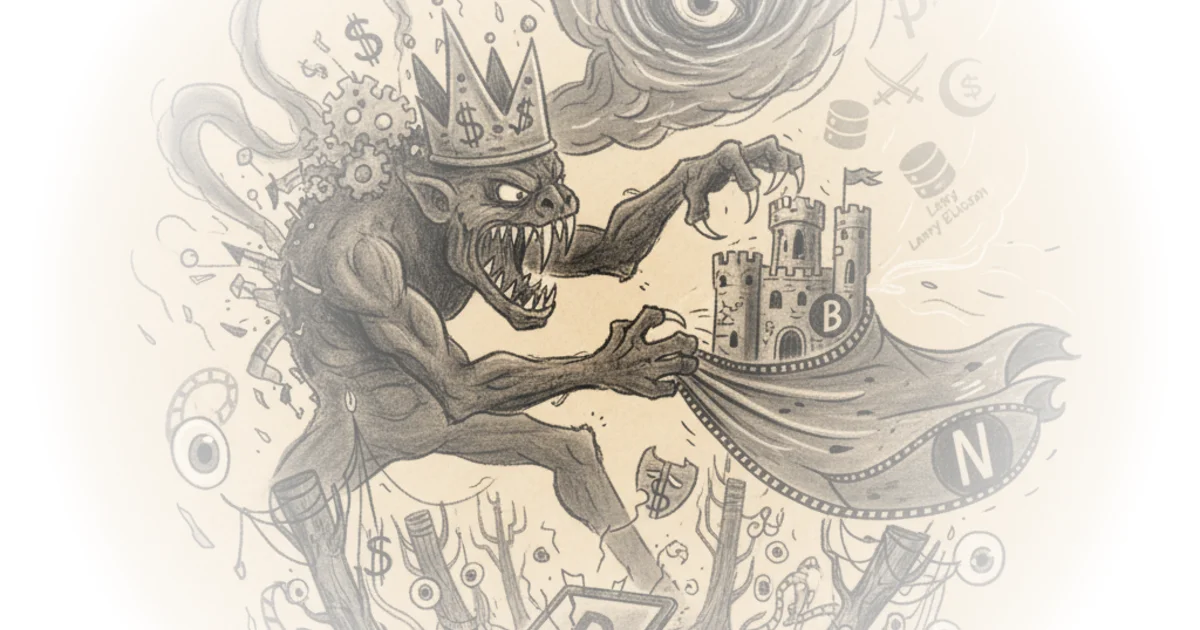
The author argues that this environment creates a "pay-for-play regulatory environment" where companies are forced to "cough up" millions to get deals done. This framing is effective because it connects isolated incidents into a systemic pattern of corruption. Critics might note that correlation does not always equal causation, and the FCC could have had legitimate reasons for the delay. However, Stone's inclusion of the FCC Chair's own admission that the president is "fundamentally reshaping the media landscape" lends significant weight to the corruption hypothesis.
This is exactly what the Republicans were criticizing the Biden family over, except where there was no real link between Hunter Biden and Vice President and then President Joe Biden. Here, it appears that they're actually bragging about their connections to the White House and are more than happy to use all of those connections to make sure the deal goes through.
The Hostile Takeover and Political Leverage
When Netflix secured a deal for Warner Brothers' studio and streaming assets, Paramount's David Ellison didn't back down; he escalated. Stone details how Ellison launched a hostile bid, bypassing Warner's CEO to go straight to shareholders. But the real twist is the investor backing this move: Jared Kushner, the administration's son-in-law. Stone points out that Ellison "had an investor with a personal connection to Trump himself," turning a corporate battle into a political one.
The author suggests that this connection is not incidental but strategic. He notes that while Netflix's deal raised valid antitrust concerns about a "streaming first model" that could hurt theaters, Paramount's bid is being framed as the safer option for regulators—primarily because of who is behind it. Stone writes, "Critics are worried that Kushner's involvement might give Paramount an edge with the Trump administration, which will have to review either of these acquisitions." This is a chilling assessment of the current regulatory climate, where the identity of the buyer may matter more than the competitive impact of the merger.
The argument gains traction when Stone contrasts the bipartisan concern over Netflix's market share with the silence surrounding Paramount's foreign investment from Saudi Arabia and the UAE. He notes that Paramount claims these governments will have "no voting rights" to avoid scrutiny, yet the sheer scale of the funding raises questions about foreign influence. Stone's analysis here is sharp, identifying the loophole that allows foreign capital to flow while maintaining the appearance of domestic control.
The Regulatory Endgame
Ultimately, Stone argues that the money is secondary to the regulatory approval. He explains that even if Paramount wins the shareholder vote, the deal must clear the Department of Justice and the Federal Trade Commission. The author warns that "the real fight probably isn't over money, it's probably over regulators." This is the piece's most vital insight: in a hostile takeover involving political allies, the legal review process itself becomes the battleground.
Stone emphasizes that the traditional defenses against hostile takeovers, like the "poison pill," may not be enough if the political will to approve the deal exists. He writes, "If enough shareholders accept the offer, Paramount could take control of the company whether management likes it or not and then just replace the management." This scenario paints a picture of a media landscape where corporate governance is secondary to political alignment. The author's conclusion is that independent media is under threat not just from consolidation, but from the erosion of the regulatory guardrails designed to prevent it.
Editorial freedom is one of the many reasons that myself and hundreds of creators have managed together to create Nebula, the sponsor of today's video.
While this line serves as a sponsorship plug, it underscores the author's broader point about the fragility of independent voices in a consolidated media environment. The argument holds that without independent oversight, the market will inevitably favor those with the deepest political pockets.
Bottom Line
Stone's strongest argument is the clear link between the $16 million settlement and the subsequent regulatory approval, which sets a dangerous precedent for future media mergers. His biggest vulnerability is the reliance on circumstantial evidence regarding Kushner's direct influence, though the timing and public bragging rights make the inference compelling. Readers should watch for the Department of Justice's next move, as that will reveal whether the regulatory system can withstand the pressure of political connections.
This is exactly what the Republicans were criticizing the Biden family over, except where there was no real link between Hunter Biden and Vice President and then President Joe Biden. Here, it appears that they're actually bragging about their connections to the White House and are more than happy to use all of those connections to make sure the deal goes through.