In a world obsessed with metrics and outcomes, Ryan Holiday offers a counter-intuitive lifeline: the only thing you truly own is your effort, never the result. This piece cuts through the noise of modern productivity culture by arguing that tying self-worth to external validation is a guaranteed path to anxiety, a perspective that feels urgently necessary in an era of volatile markets and unpredictable global events.
The Illusion of Control
Holiday begins by dismantling a fundamental human misconception. He writes, "You have the right to exercise your action, but never the right to guarantee its outcome." This distinction is the bedrock of the Stoic argument he presents. The author suggests that while we possess full agency over our choices, the final result is a chaotic mix of luck, timing, and the actions of others that remains entirely beyond our command.
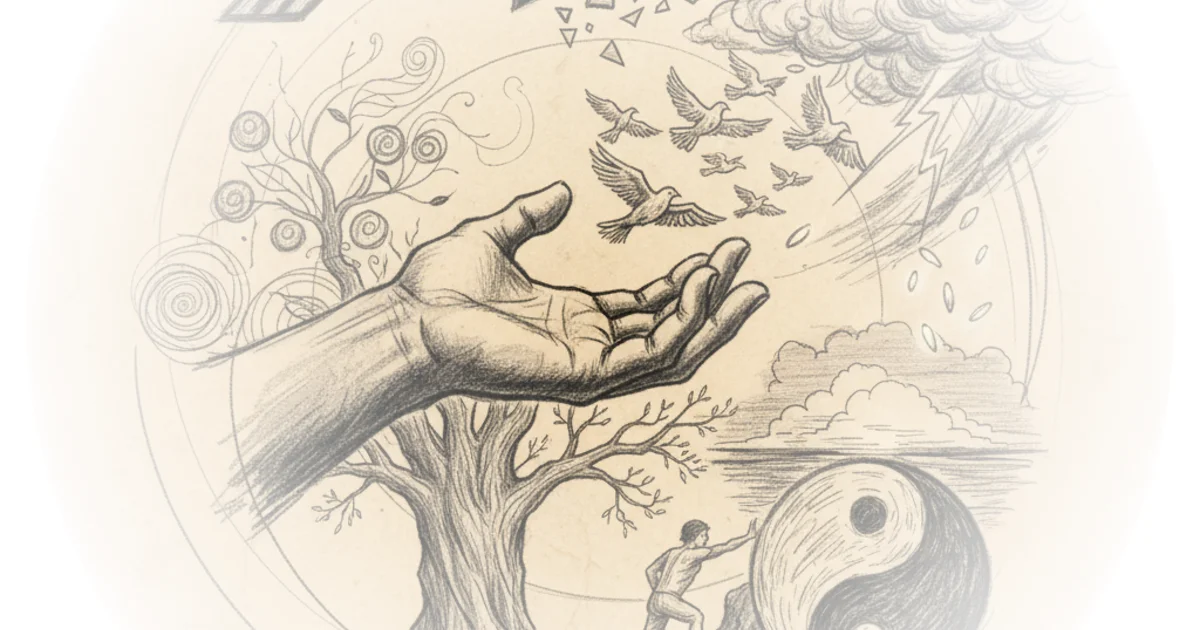
This framing is powerful because it shifts the locus of control from the external to the internal. Holiday argues that society's "result-oriented" mindset is the primary source of modern stress. He notes, "This 'result-oriented' thinking pattern will eventually cause huge pressure and dissatisfaction." The logic here is sound: when we bet our emotional stability on factors we cannot influence, we set ourselves up for failure.
Life is always full of results that are not always in our control, a fact many people know but often choose to ignore.
Critics might argue that this philosophy risks encouraging passivity or resignation in the face of systemic injustice. If we accept that results are out of our hands, do we stop fighting for change? Holiday anticipates this by emphasizing that we must still "go all out to act." The goal is not inaction, but action divorced from the desperate need for a specific reward.
The Trap of External Validation
The commentary deepens as Holiday connects this philosophy to the fragility of modern self-esteem. He warns that if "our values and self-esteem are built solely on external recognition and success, then we will be in a state of unrest forever." This is a sharp critique of a culture that equates productivity with worth.
Holiday invites the reader to reflect on their own history of suffering, asking, "Think back to every painful process or stage in your life, didn't they all have these situations?" By linking current anxiety to a pattern of misplaced priorities, he makes the ancient philosophy feel like a personal diagnosis. The argument holds up well because it addresses the root cause of burnout: the belief that we are only as good as our last win.
When you give your all, even if the result is not what you expected, you have nothing to regret.
This perspective offers a practical tool for emotional resilience. Holiday suggests that finding value in the action itself, rather than the outcome, is the key to "finding balance and peace in a changing and uncertain world." It is a reminder that integrity is an internal metric, not an external one.
Bottom Line
Holiday's strongest move is reframing "letting go" not as defeat, but as the ultimate form of strategic focus. The argument's vulnerability lies in its difficulty of application; knowing that results are uncontrollable is easy, but maintaining that mindset when a career or relationship hinges on an outcome is profoundly hard. Readers should watch for how this philosophy translates into high-stakes decision-making, where the cost of "just doing your best" can be incredibly high.