Tom van der Linden identifies a disturbing paradox at the heart of modern cinema: the very stories meant to champion progressive change are often structured to ensure that change never actually happens. By dissecting the recent film Conclave, he argues that Hollywood's "liberal fantasy" has mutated into a form of moral puritanism that prizes the appearance of innocence over the messy reality of leadership. This is not just a critique of a single movie; it is a diagnosis of why well-intentioned movements often stall, leaving audiences with heroes who can only react to crises rather than build a better world.
The Facade of Humility
Van der Linden opens by dismantling the classic Hollywood trope where a crisis is solved by a rousing speech that instantly restores order and hope. He notes that this narrative relies on a specific worldview where "liberal Hollywood does not like power or, more specifically, It doesn't like aspiring leaders who express an explicit will to power." The author suggests that this aversion stems from a fear that ambition is inherently corrupt, equating the desire to lead with a desire to dominate. This framing is sharp because it exposes the contradiction in a worldview that seeks to reshape society while simultaneously demonizing the agency required to do so.
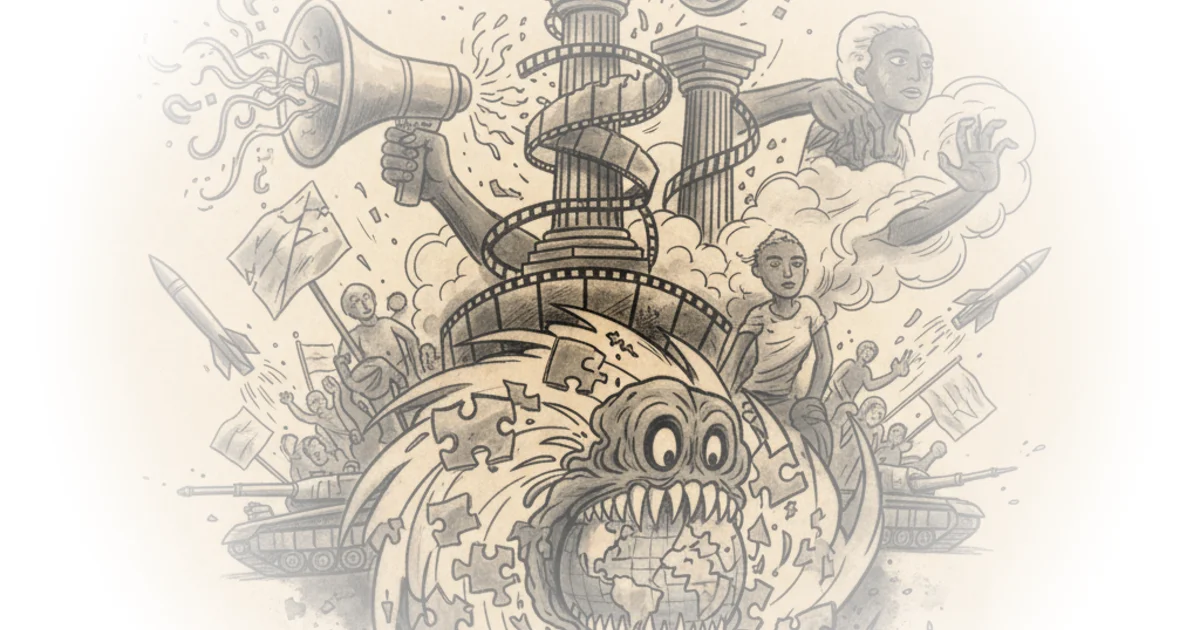
The author uses the film Conclave as a primary case study, describing a plot where the ideal candidate is the one who most vehemently claims he does not want the job. Van der Linden writes, "The ideal leader, according to liberalism, is someone who doesn't want to lead." He argues that this is a "strange song and dance" that liberalism performs, a pretense that hides its true ambitions behind a mask of humility. The commentary here is compelling because it moves beyond surface-level plot analysis to question the philosophical underpinnings of the genre. It suggests that the refusal to admit a desire for power is not a virtue, but a dangerous delusion.
"The reason why this liberal answer to the problem of power isn't quite working out is because that idealization of humility and that firm rejection of wanting power is, well, it's so obviously just a facade."
Critics might argue that skepticism toward power is a necessary check against authoritarianism, a lesson learned from history's worst tyrants. However, Van der Linden counters that this skepticism has swung too far, creating a culture where admitting to wanting to effect change is seen as a moral failing. He points out that the film ultimately rewards the character who wants the position the least, reinforcing a standard of purity that is impossible to meet in the real world.
The Trap of Procedural Purity
As the argument deepens, Van der Linden shifts from the psychology of the leader to the mechanics of the movement. He observes that instead of grappling with the tension between ambition and responsibility, modern storytelling often defaults to a rigid adherence to rules. The author describes this as "excessive proceduralism that only knows how to say no," where the fear of making a mistake paralyzes any attempt at progress. This is a crucial distinction: the problem isn't just that leaders are hesitant, but that the systems they operate within are designed to prevent them from acting decisively.
He illustrates this with a powerful observation about the disconnect between symbolic gestures and tangible action. Van der Linden writes, "You want to protect the world, but you don't want it to change." He connects this to real-world examples, such as zoning laws in San Francisco that block new housing despite residents holding signs for social justice. The author's analysis of Ezra Klein's work highlights how "well-meaning laws to protect nature in the 20th century now block the clean energy projects needed in the 21st." This evidence is particularly effective because it grounds the abstract critique of film tropes in concrete policy failures, showing how the "liberal fantasy" actively hinders the very goals it claims to support.
"We need to radically change the world, but also we can't inconvenience anyone. We can't upset anything, which reflects a kind of liberal complacency that while once being born out of valid concerns, is now actively preventing meaningful progress from being made."
The author also draws a parallel to superhero narratives, noting that while villains are often creative and transformative, heroes are purely reactive. Van der Linden writes, "Almost never do superheroes make, create, or build anything." This observation serves as a potent metaphor for the broader political landscape, where the status quo is defended not because it is good, but because changing it feels too risky. The implication is that a movement defined by its inability to build is destined to fail, regardless of how noble its intentions.
Bottom Line
Tom van der Linden's critique is a necessary intervention in the conversation about modern storytelling and political efficacy. His strongest argument lies in exposing the hypocrisy of a worldview that demands moral purity while refusing to engage with the compromises necessary for real-world change. However, the piece risks oversimplifying the legitimate need for checks and balances in governance, potentially swinging the pendulum too far toward an uncritical celebration of "will to power." Readers should watch for how this tension between ambition and accountability plays out in future political discourse, as the gap between liberal ideals and liberal action continues to widen.