A Journalist's Rebellion Against the Take Culture
Matt Taibbi announces a structural reinvention of his publication, installing Emily Kopp as Editor-in-Chief while pledging to protect investigative journalism from the political pressures that have reshaped American newsrooms over the past decade. The move signals more than a personnel change — it's a deliberate rejection of the post-2016 journalism paradigm that prioritized ideological positioning over raw curiosity.
The Reporter DNA
Taibbi frames the hiring decision around what he calls "reporter DNA" — a personality type obsessed with story accuracy regardless of political convenience. He describes this instinct as non-negotiable for serious investigative work.
Matt Taibbi writes, "This personality type may be nice or a raving lunatic in private, but is focused on stories, unable to relax if details feel wrong, and likely to become difficult with anyone who gets in their way."
Kopp's background at U.S. Right to Know demonstrates the tenacity Taibbi values. Her work tracing connections between Covid-19 and American gain-of-function research combined traditional source development with aggressive public records requests — the kind of methodical digging that produces uncomfortable truths rather than comfortable narratives.
As Matt Taibbi puts it, "Emily isn't a hot-taker and doesn't seem motivated by getting her face on TV. She just loves the job, and when she gets on a story she believes in, she'll challenge anyone, even her own sources."
The Lost Newsroom Ethos
The piece mourns a disappeared culture where editorial standards centered on verification rather than ideological alignment. Taibbi traces this shift to the political rupture of 2016, when neutrality became suspect and the injunction to hear multiple sides was reframed as platforming harmful voices.
Matt Taibbi writes, "Overnight, it was decided the ethos built up across a century of American journalism, in my case literally handed from one generation to the next, needed immediate dismantling."
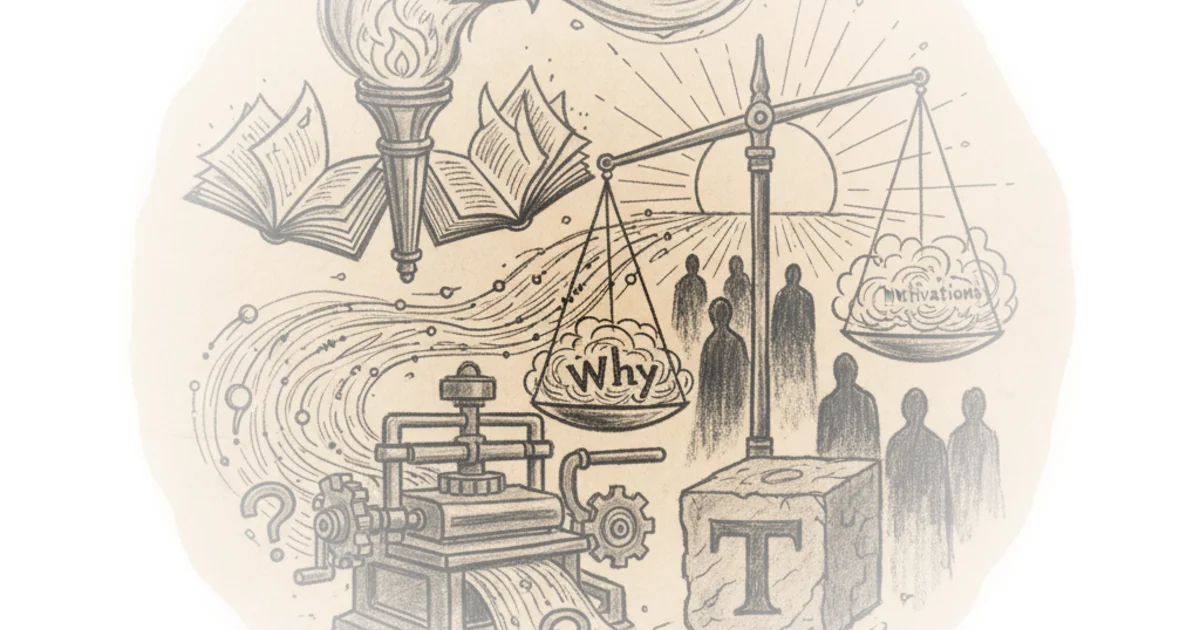
The new slogan for Racket captures the counter-position: "We care if it's true. We don't care why." This framing treats truth-seeking as its own justification, independent of which political faction benefits or suffers from exposure.
"I've come to hate 'takes' so much, I'm willing to spend a small fortune to never give one again."
Taibbi's father wrote just two op-eds in fifty years while winning awards for factual delivery. That generational model — patient, curious, uncommitted to partisan outcomes — stands as the alternative to the current news cycle's demand for immediate political positioning.
The Curiosity Imperative
At the core of Taibbi's argument is a claim that raw curiosity is universal and apolitical. Reporters chase secret documents like children chase bees' nests — not for political reasons, but because the mystery itself demands resolution.
Matt Taibbi writes, "That thrilling moment where you realize you need to learn a whole new world to make sense of something, while a mess of information is sitting there waiting to be untangled, is why I fell in love with this job."
The new editorial team — Kopp, Ryan Lovelace on national security, and Caden Olson on Washington — will operate with freedom to follow their investigative instincts without adopting prescribed political stances. Epstein content will appear despite Taibbi's personal distaste for the story, demonstrating that editorial independence extends even to topics the founder dislikes.
Critics might note that "we care if it's true" functions as an elegant slogan but offers no mechanism for resolving disputes about what truth means when sources contradict or documents remain ambiguous. The claim of political neutrality also risks obscuring the fact that investigative choices — which stories to pursue, which institutions to scrutinize — carry political weight regardless of the reporter's intent.
Taibbi acknowledges his own limitations: "My weakness has always been that I don't do that, at least not enough. The list of effective laid-back investigative reporters is comically short." He recognizes that cultivating tough investigators requires hiring people who will challenge him and his friends — a willingness that has already generated controversy around Kopp's past reporting.
Bottom Line
Taibbi's restructuring represents a rare public rejection of the post-2016 journalism model that conflated verification with political positioning. The test will be whether Racket can sustain investigative independence without collapsing into the partisan tribalism it claims to reject.