In a landscape saturated with speculation about who will fill the void left by a retreating United States, Zichen Wang delivers a counter-intuitive thesis: China has no intention of becoming the new hegemon. Drawing from an exclusive interview with Da Wei, a leading scholar at Tsinghua University, the piece dismantles the Western assumption that Beijing is waiting in the wings to seize global leadership. This is not a story about ambition, but about a calculated strategy of integration and stability in a fracturing world.
The Myth of the Power Vacuum
Wang opens by challenging the prevailing narrative that the international order is collapsing into a binary struggle. The core of the argument rests on Da Wei's firm rejection of the idea that China seeks to replace American dominance. "China neither seeks nor intends to fill any 'vacuum' left by the United States," Wang writes, quoting the scholar directly. This distinction is crucial; it reframes the geopolitical contest not as a relay race for the baton of power, but as a complex negotiation over how to manage a multipolar reality.
The author highlights Da Wei's observation that the era of bureaucratic, slow-moving international relations is giving way to a period where personal leadership is paramount. "We are living in an era in which 'leadership is key'," Wang notes, emphasizing the significance of direct engagement between heads of state. This focus on the personal dimension of diplomacy is a sharp analytical move. It suggests that the stability of the next decade may hinge less on treaties and more on the specific chemistry and strategic calculations of individual leaders.
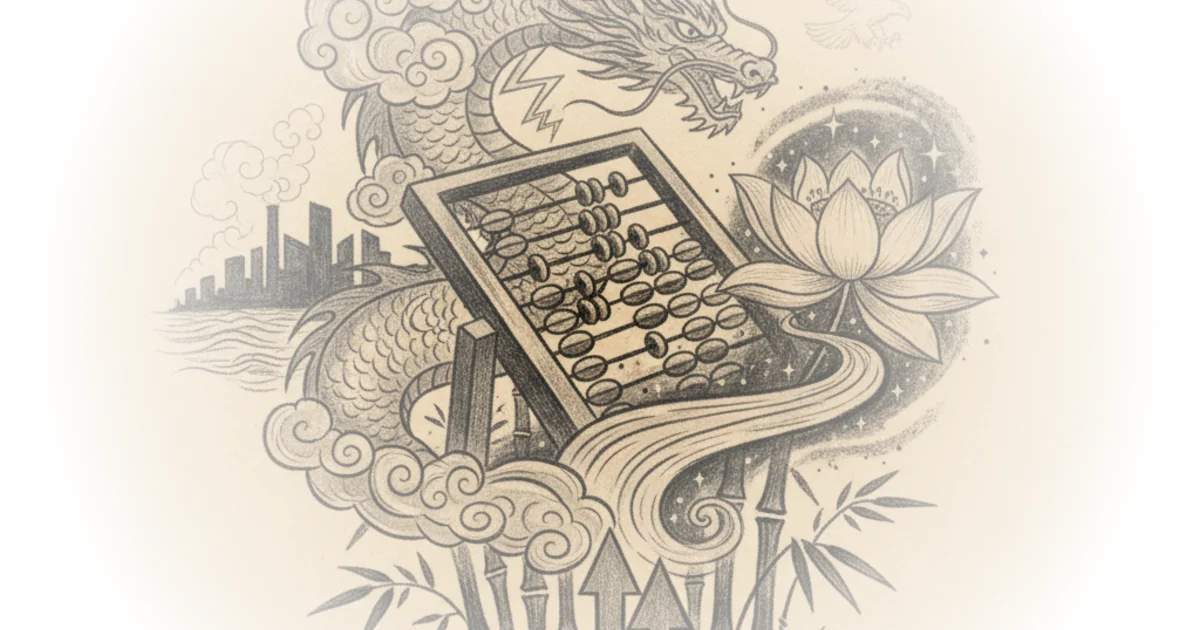
China's development path is to integrate into the multilateral system and help improve it, not to replace one hegemon with another.
However, this optimism about personal diplomacy faces a structural reality check. Da Wei admits that while a leader's attitude matters, it cannot override institutional inertia. The author points out that policies like tariffs, once enacted, often outlast the administrations that created them. "A change in leadership does not automatically mean a reversal of earlier policies," Wang paraphrases, noting how measures from the first term persisted and intensified under the subsequent administration. This is a sobering reminder that while high-level summits can open windows of opportunity, the machinery of state often grinds in a different direction.
Beyond the 'World Minus One' Narrative
Moving beyond the bilateral relationship, Wang tackles the broader global order. The piece addresses the fear that the world is becoming a "world minus 1" scenario, where the rest of the globe unites to exclude the United States. Da Wei disputes this simplification, arguing instead for a fragmented, multipolar landscape where alliances are fluid and regional.
The author effectively uses Da Wei's analysis to show that other major powers are also realigning. Europe, for instance, is pursuing its own trade deals with South America and India, independent of Washington. "The reality is that the world is displaying a certain degree of fragmentation, along with trends towards multipolarity and regionalisation," Wang writes. This perspective adds necessary nuance to the discussion of global governance. It suggests that the future isn't about a new leader stepping up, but about a system where no single actor can dictate terms.
Critics might note that this view of multipolarity risks underestimating the chaos that can ensue when coordination mechanisms fail. Without a central anchor, the "fragmentation" Da Wei describes could lead to a more volatile and less predictable international environment, where smaller nations are forced to choose sides in conflicting regional blocs. Yet, Wang's coverage remains grounded in the pragmatic view that China's goal is to expand its "circle of friends" rather than to dominate them.
The Limits of Influence and the Path Forward
The commentary concludes by examining how China plans to maintain stability without assuming the burden of global policing. Da Wei argues that stability cannot rely on American goodwill or chance; it must be rooted in the strength of the nations involved. "If the relationship is to become more stable, it must ultimately be grounded in the strength of both countries, especially China's own strength," Wang reports. This shifts the focus from diplomatic posturing to the hard metrics of economic and technological resilience.
The author also touches on the historical context of global coalitions, implicitly drawing on the legacy of the Group of 77 to illustrate how the Global South has long sought a voice distinct from the superpowers. Da Wei's call for an "equal and orderly form of multipolarity" echoes these historical struggles for representation, suggesting that the current moment is not about a new empire, but about correcting the imbalances of the past. As Wang puts it, "The key question is how to put these principles into practice in specific bilateral relationships... where interests can be coordinated and balanced."
Bottom Line
Zichen Wang's coverage of Da Wei's perspective offers a vital corrective to the alarmist rhetoric surrounding US-China relations, arguing convincingly that Beijing's strategy is one of integration, not conquest. The piece's greatest strength lies in its refusal to view the world through a zero-sum lens, though it perhaps underestimates the friction that a fragmented, multipolar system will generate for the global economy. Readers should watch not for a new hegemon to emerge, but for how effectively these competing centers of power can negotiate a new, albeit messy, equilibrium.