In a cultural landscape saturated with anxiety about digital devices, Jacqueline Nesi offers a rare and necessary corrective: the guilt parents feel over screen time is often a symptom of bad advice, not bad parenting. While most coverage treats screens as a moral failing, Nesi reframes them as a neutral tool whose impact depends entirely on how families integrate them into a broader, human-centered life. This is not a permission slip for neglect, but a data-driven argument that the "intensive parenting" obsession with optimizing every moment is doing more harm than the devices themselves.
The Architecture of Guilt
Nesi begins by diagnosing the emotional toll of modern parenting culture. She observes that when she mentions her work on children and technology, conversations instantly shift from casual to confessional. "Suddenly, there's a shift. My once confident conversation partners are now cautious, unsure, guilt-ridden," she writes. This is a sharp observation of a specific social phenomenon: the internalization of fear-based messaging that equates any screen exposure with parental failure.
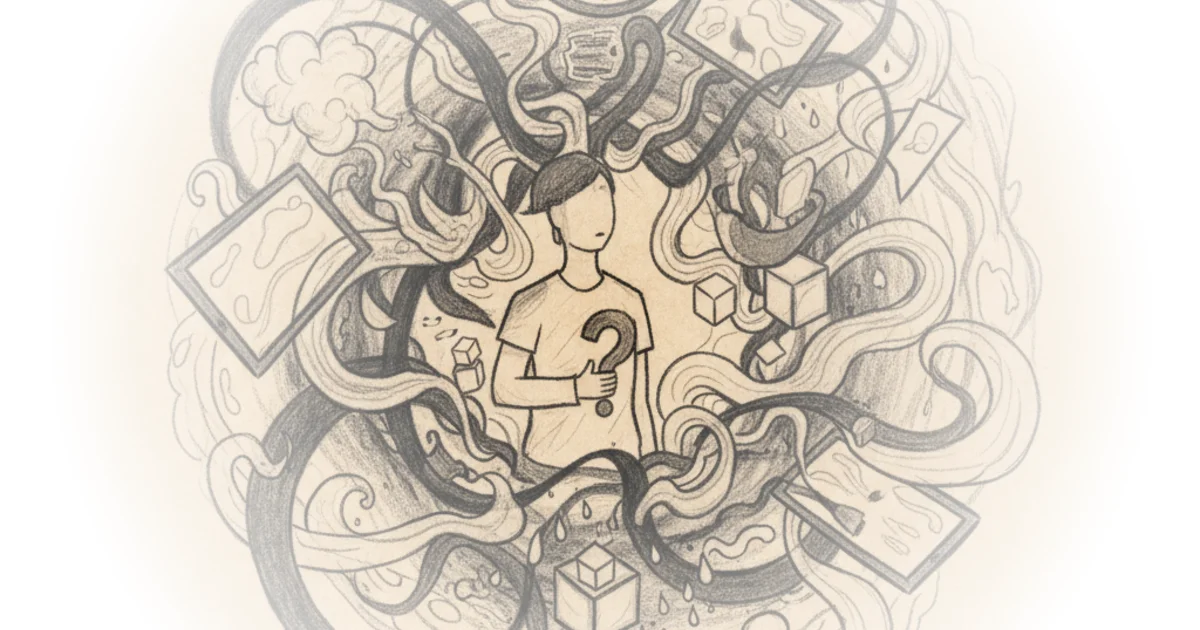
The author argues that this guilt often misfires, stemming from "shoulds" rather than actual harm. She notes, "If we've internalized ideas about screen time that are rooted in fear, misinformation, or self-judgement, we may feel unjustified guilt." This distinction is crucial. It separates the emotion of guilt—which can be a useful signal for values—from the cognitive distortion of believing one must be doing something different to be a "good" parent. Nesi's point lands because it validates the reality of busy households where a movie might provide the only moment of peace for a parent to function, rather than judging that moment as a failure.
Critics might argue that dismissing guilt entirely risks ignoring legitimate concerns about addiction or developmental delays. However, Nesi is careful to distinguish between justified guilt (when usage violates a family's actual values) and the pervasive, unhelpful guilt driven by cultural pressure. She writes, "Maybe the stress that screen time guilt is creating is actually doing more harm than good." This reframing suggests that the anxiety surrounding screens is often more damaging to the family dynamic than the screens themselves.
"Screens have become simultaneously ubiquitous and vilified. Surely, good parents limit their kids' screen time, and the best parents? No screen time at all."
A Framework for Sanity
Moving beyond the emotional diagnosis, Nesi provides a practical framework that rejects the binary of "all or nothing." She clarifies that while structure is necessary, the goal is not to eliminate screens but to manage them intentionally. "The research does support having some kind of rules or limits in place, but what does this actually look like? It means being intentional and thoughtful about screens," she explains. This approach dismantles the myth that a "good" parent is one who has successfully banned all digital devices.
Her first principle, "People come first," addresses the concept of "technoference," where devices interrupt human connection. She illustrates this with a specific rule in her home: when a doctor enters the room, the screen must pause. "Try to encourage, and model, prioritizing the humans in front of us over the screens in our pockets (or walls)," Nesi advises. This is a powerful, actionable standard that shifts the focus from how much time is spent on a device to when and how it is used.
Nesi also champions the idea of "co-use," or watching and playing together, as a way to turn passive consumption into active connection. "When possible, I like to think of ways screens can bring us together, instead of pull us apart," she writes. This challenges the prevailing narrative that screens are inherently isolating. By suggesting that family movie nights or shared YouTube clips can segue into conversations about values and behavior, she transforms the screen from a babysitter into a potential catalyst for dialogue.
The author also pushes back against the "educational" trap of intensive parenting. She argues that not every moment needs to be optimized for learning. "In fact I worry that this approach feeds into the optimizing-every-moment intensive parenting spiral," she notes, citing her own children's love for Paw Patrol despite its lack of educational value. This is a liberating perspective for parents tired of the pressure to curate a perfect developmental curriculum. As she puts it, "Is it teaching them something? Probably not. But is it generally age-appropriate and makes them happy? Yes."
Finally, Nesi advocates for a "structured but flexible" approach to limits. She acknowledges the frustration of contradictory advice but insists that predictability combined with adaptability is the only sustainable model. "We want our kids to feel the safety and predictability that comes with structure, and that means having and communicating clear expectations," she writes, while adding that rules must be flexible enough to accommodate a "long day" or a special occasion. This nuance is vital; it acknowledges that parenting is dynamic, not a rigid algorithm.
The Bottom Line
Jacqueline Nesi's strongest contribution is her refusal to treat screen time as a moral crisis, instead positioning it as a manageable aspect of modern family life that requires intention rather than prohibition. Her argument's greatest vulnerability lies in the difficulty of implementation: while the principles are sound, the discipline required to consistently prioritize human connection over digital convenience remains a significant challenge for many families. Parents should watch for the shift from asking "How much?" to asking "How does this serve our family's values?" as the true metric of success.
"Screens, with some reasonable safeguards in place, are just fine. And the guilt so many parents are led to feel about them? It's misplaced."
Bottom Line
Nesi's core argument is robust: the cultural panic over screen time is often a projection of parental anxiety rather than a reflection of scientific reality. Her biggest strength is the practical, human-centered framework she offers, which prioritizes connection and flexibility over rigid rules. The reader's takeaway should be a liberation from the "intensive parenting" trap, recognizing that a well-managed screen can be a tool for rest and connection, not a source of shame.