Devin Stone delivers a scathing legal dissection of the Department of Justice's latest attempt to withhold millions of documents related to the Jeffrey Epstein investigation. The piece is notable not just for its timeline of bureaucratic foot-dragging, but for its precise legal argument: that the administration is relying on common law privileges that Congress explicitly overrode in the newly passed Epstein Files Transparency Act. For a reader seeking clarity on the current standoff between the legislative and executive branches, Stone's breakdown of why the DOJ's legal theory is fundamentally flawed offers a rare, high-stakes glimpse into the mechanics of government transparency.
The Statutory Override
Stone opens by dismantling the administration's claim that they have fulfilled their obligations. "It's over. Transparency and accountability have been achieved. The DOJ has released all of the Epstein files, or so they claim, except for at least three million documents that they previously said were responsive and needed to be released." This immediate contradiction sets the stage for a deeper inquiry into the agency's motives. Stone argues that while some redactions for victim protection are legally sound, the DOJ is broadly misapplying legal privileges to hide internal communications.
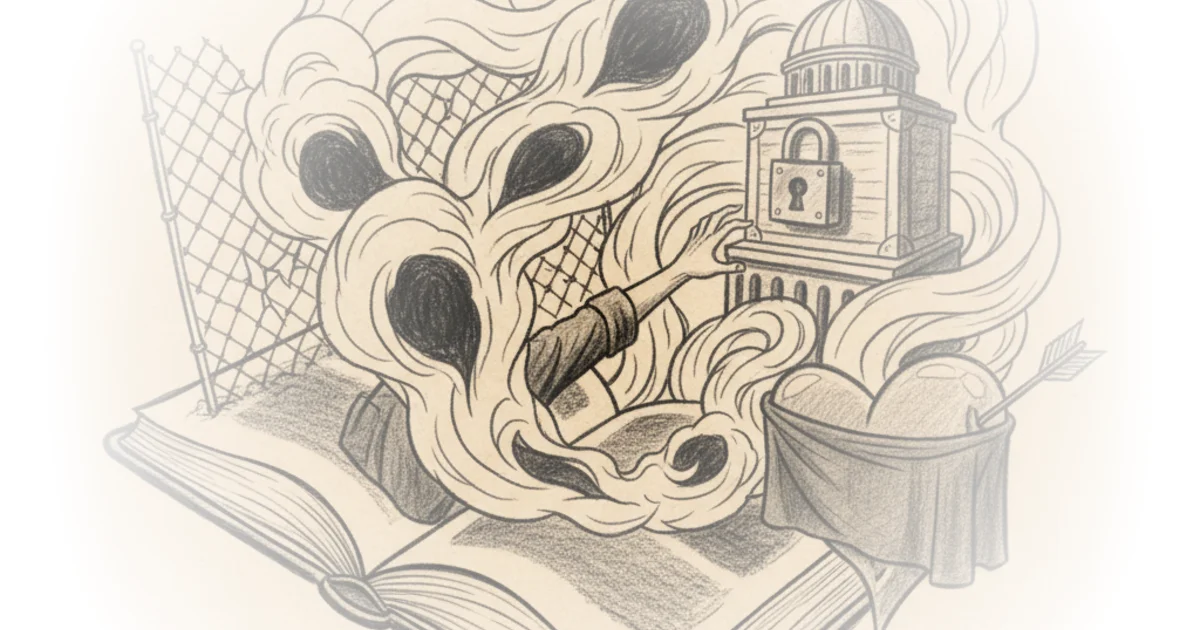
The core of Stone's argument rests on the text of the law itself. He notes that Congress was explicit: "wave all your privileges and release all the documents and videos broad." This phrasing suggests that the legislative intent was to strip away the usual shields agencies use to protect their internal deliberations. Stone highlights that the Department of Justice is now claiming it can withhold records under deliberative process, work product, and attorney-client privileges, despite the law's clear language.
"The federal law that we passed obviously overrides whatever state law level privilege you think you've got. Um the terms of the statute are perfectly clear about that. So that is fraudulent that argument that she was floating yesterday."
This quote, attributed to Congressman Jamie Raskin in the source material, underscores the severity of the administration's position. Stone uses this to illustrate a pattern where the executive branch treats statutory mandates as optional suggestions. The argument lands effectively because it contrasts the simplicity of the law with the complexity of the agency's excuses. Critics might note that agencies often have legitimate reasons to protect ongoing investigations, but Stone counters that the law already carved out specific, narrow exceptions for active probes, leaving no room for the broad privileges the DOJ is now asserting.
The Scope of the Mandate
Stone then details the specific categories of documents the law requires to be released, emphasizing the breadth of the mandate. The Epstein Files Transparency Act, a mere two pages long, demands the release of internal DOJ communications regarding decisions to charge or investigate Epstein and his associates. Stone points out the irony: "Internal DOJ communications about decisions are textbook deliberative process documents. But Congress is explicitly stating that the agency must disclose those deliberative discussions."
This section is particularly strong because it explains the legal concept of "deliberative process privilege" in plain language. Stone clarifies that this privilege is meant to protect pre-decisional discussions to ensure candid policy assessments. However, he argues that once a decision is made, or when Congress specifically orders disclosure, the privilege evaporates. The author notes that the DOJ is even trying to withhold documents they are creating now regarding the redaction process itself, a move Stone describes as an attempt to hide the agency's current decision-making from public scrutiny.
The author draws a sharp distinction between the Freedom of Information Act (FOIA) and the new transparency law. In FOIA, Congress explicitly included exceptions for privileged documents. In the Epstein Files Transparency Act, they did not. "If Congress intended to allow the DOJ to withhold privileged documents, it could have included similar language in the EFA, but it didn't," Stone writes. This omission is a critical piece of evidence in his argument that the administration's interpretation is legally untenable.
Historical Precedent and Separation of Powers
To bolster the argument that Congress has the authority to override executive privilege, Stone reaches back into American legal history. He references the 2018–2019 government shutdown, noting how the administration previously leveraged such tactics to block legislation, only to be forced into signing the law by a veto-proof majority. This historical context adds weight to the current conflict, showing a recurring pattern of resistance followed by reluctant compliance.
Stone then pivots to the Supreme Court's handling of executive privilege during the Watergate scandal. He details how President Nixon argued that his executive privileges were absolute and that Congress could not override them. The Supreme Court disagreed in Nixon v. Administrator of General Services, upholding the Presidential Records and Materials Preservation Act. Stone explains that the Court held that the act did not violate the separation of powers, especially since the executive branch, under President Gerald Ford, had accepted the law.
"The deliberative process privilege is a qualified privilege that can be overcome by a sufficient showing of need for that material."
This quote from Judge Amy Berman Jackson, cited by Stone, reinforces the idea that executive privilege is not a blank check. Stone uses this precedent to argue that the current administration's claim of absolute privilege is legally baseless. The comparison to Watergate is potent, reminding readers that the courts have consistently ruled that the need for transparency in matters of potential corruption outweighs the executive's desire for secrecy.
The Bottom Line
Stone's commentary is a masterclass in statutory interpretation, cutting through the administration's legal obfuscation with clear, text-based arguments. The strongest part of his case is the demonstration that the law's silence on common law privileges is a deliberate choice by Congress, not an oversight. However, the biggest vulnerability lies in the political reality: even with a strong legal case, the DOJ may drag its feet until the courts are forced to intervene, a process that could take years. Readers should watch for whether the House committee follows through on its subpoena of Attorney General Bondi, as that will be the first real test of whether the administration will respect the rule of law or continue its campaign of delay.
The administration's argument relies on a legal theory that Congress explicitly rejected, turning a clear statutory mandate into a game of bureaucratic hide-and-seek.