This episode stands out because it comes from someone who's spent decades inside the American military's most elite institutions — Max Brooks, author of World War Z and senior fellow at the Modern War Institute — telling Dan Carlin that America has forgotten how to fight the kind of wars that actually define modern conflict. The conversation centers on a provocative thesis: we "thought that would deter aggression" but what we actually taught our future enemies was "if you are going to mess with america don't go anywhere near the battlefield find alternative means." That's the kind of strategic reversal that makes listeners sit up.
The Definition Problem
Brooks defines asymmetrical warfare as "war politics by other means" — a deliberate echo of Clausewitz's famous dictum. But he immediately clarifies this isn't just about violence; it's about every possible means to achieve your goal. The reason this matters, Brooks argues, is that "america is kind of at a crossroads and we need to remember that fighting in what the military calls the gray zone is nothing new it's a very old way of fighting but we have sort of forgotten that." This framing reframes what readers think they know about warfare — suggesting America's conventional military dominance is precisely what makes it vulnerable.
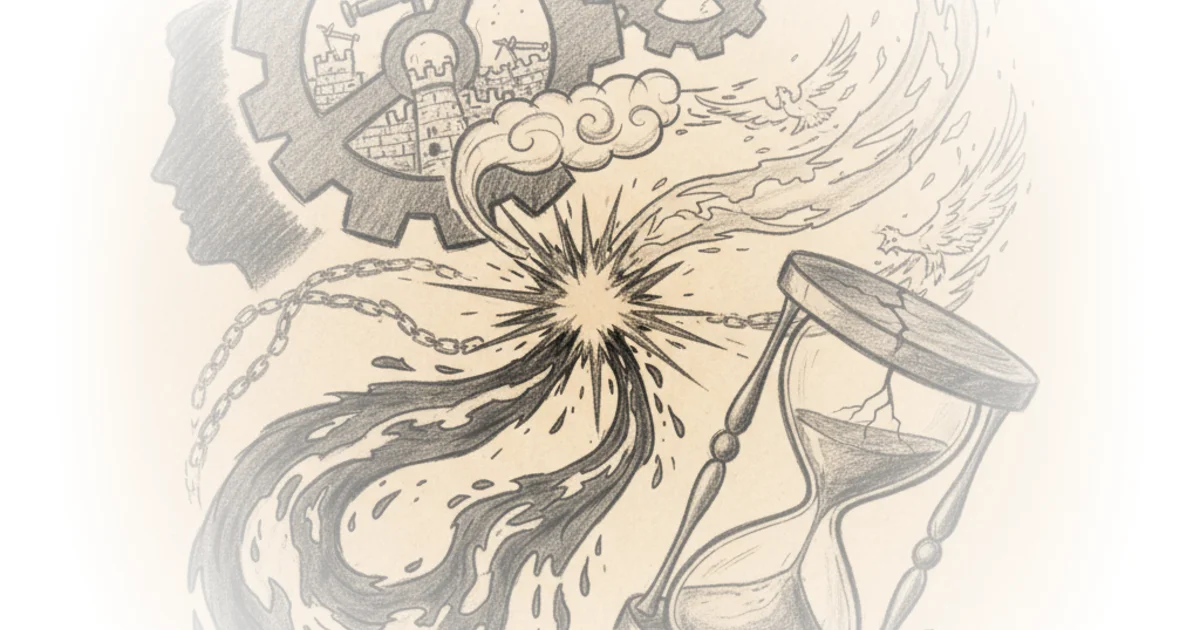
The conversation then shifts into historical analysis. Carlin points to "desert storm" as the inflection point: "we thought that would deter aggression we thought that if you mess with america on the battlefield we will smash you into atoms what we didn't realize was what we were teaching all our future competitors was if you are going to mess with america don't go anywhere near the battlefield find alternative means." This is the episode's core argument — and it's devastating. America fought a highly visible, expensive war to demonstrate overwhelming force, and in doing so, taught every future adversary exactly how NOT to fight.
The Institutional Failure
What emerges next is a critique of military bureaucracy that feels genuinely important. Brooks describes officers he meets at the Modern War Institute — mid-grade officers who "fought in iraq and afghanistan" having "no books about afghanistan they had the bear went over the mountain they weren't indoctrinated to study even the afghan war." This isn't just academic criticism; it's a description of institutional amnesia. The military didn't learn from Vietnam, then repeated the same failures in Iraq and Afghanistan.
Brooks offers a specific example: "the moment they get the call from the taliban we're gonna kill your family unless you kill an american he should have been able to go to his american opposite number tell him the americans should have said well we have a program in place you can come on base your family is safe don't worry about it not once did we ever have that program." That's a damning indictment — thousands of deaths that could have been prevented if basic operational security had been institutionalized. The money instead went to "putting a laser on a 747 to knock off the one ballistic missile that kim jong-un might fire someday" while Afghan allies faced threats to their families.
We fought enough of these things since the second world war this has been the main kind of warfare we've actually engaged in you would think that by now this would be institutionalized and yet we still follow in the same sort of pattern
Counterpoints
Critics might note that framing every asymmetric threat as a failure of American strategy oversimplifies complex geopolitical realities. Not every unconventional conflict is preventable — some represent genuine existential threats that require conventional deterrence. The argument also underweights how much institutional reform actually has happened: modern urban warfare doctrine, improved intelligence operations, and significant changes to counterinsurgency training exist now where they didn't before Vietnam.
Bottom Line
This episode's strongest contribution is its diagnosis of "bureaucratic bias" — the tendency to focus on large, expensive, technologically sophisticated systems rather than the messy ground-level problems that actually define modern warfare. The vulnerability Carlin and Brooks identify isn't just about strategy; it's about incentives: money big-ticket items while human intelligence and operational security get neglected. The most unsettling takeaway is simple: America keeps gearing up for conventional wars "despite what happened in iraq and afghanistan" — meaning the lessons from two decades of counterinsurgency haven't translated into actual change. What readers should watch for next is whether the Modern War Institute's officers actually translate their frustration into reform, or whether bureaucratic inertia continues to define American military planning.