Walter Kirn delivers a haunting meditation on the intersection of religious tradition, economic desperation, and the quiet violence of peer pressure in rural America. Rather than a simple travelogue, this piece functions as a psychological thriller where the destination—the Outlets at Zion—matters less than the ritualized hazing that precedes it. Kirn exposes how community bonds in isolated towns can curdle into exclusionary hierarchies, using the lens of a teenage boy's first major financial transaction to reveal the fragility of innocence.
The Economics of Belonging
Kirn frames the journey not as a reward, but as a test of endurance and submission. The narrator, a young boy from Blanding, Utah, has scraped together $300 by running a makeshift snow-cone stand, a feat of ingenuity born from necessity. "I had rigged up a snow-cone machine from dirty parts scavenged from a broken air conditioner bought for $10 from my cousin," Kirn writes, establishing the boy's resourcefulness and the scarcity of his environment. The money represents more than purchasing power; it is the boy's ticket to adulthood and acceptance within his peer group.
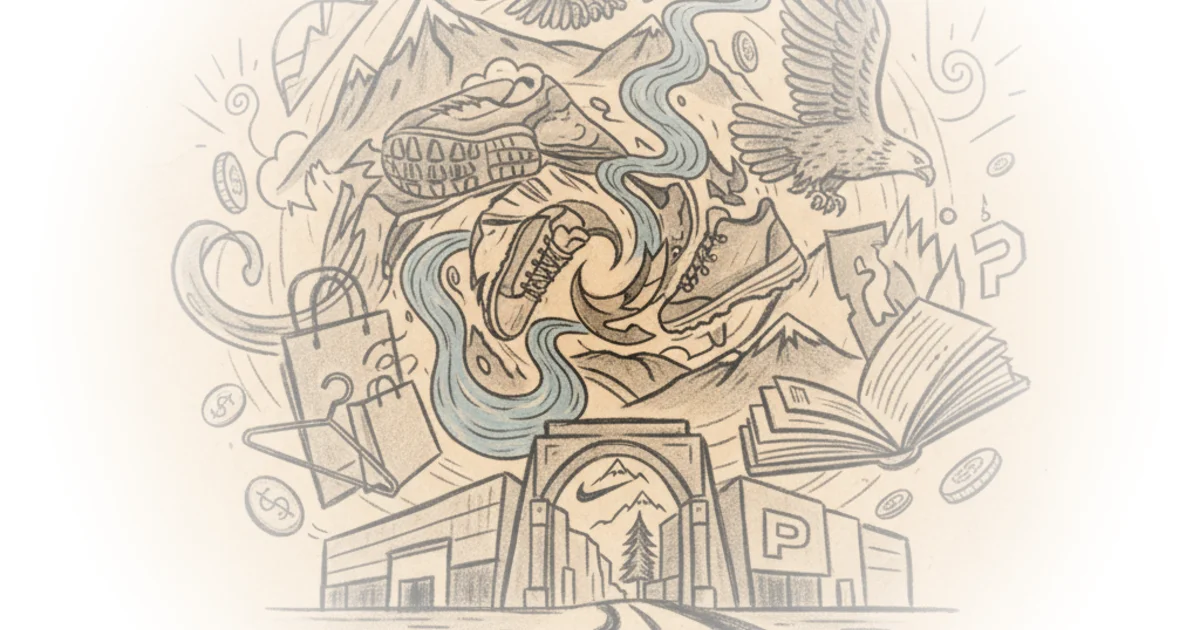
However, the moment he joins the older teenagers in the truck, the dynamic shifts from camaraderie to predation. The group, led by the charismatic but menacing Mistee, immediately imposes a "tradition" that demands the new kid pay for their fuel. "This is yours, kid. Last year it was Cody's. It hurts, but it's sort of supposed to. It's tradition," Mistee tells him. Kirn captures the chilling casualness of this exploitation, showing how arbitrary rules are enforced to maintain social order. The narrator's realization that the game is rigged is immediate and visceral. "I felt sure that Cody knew it too, but I detected no emotion in him. Another captive of tradition, the best-looking boy in Blanding, powerless." This observation underscores a central theme: in this ecosystem, even the popular are trapped by the same rigid social contracts that crush the newcomers.
Tradition here isn't about preserving culture; it's about preserving the hierarchy, and the cost is always paid by the vulnerable.
Critics might argue that Kirn romanticizes the poverty and isolation of rural Utah, presenting a caricature of backwardness. Yet, the specific details—the "Jesus hair" of the gas station clerk, the "dirty parts" of the snow-cone machine, the precise calculation of license plate numbers for betting—ground the narrative in a gritty reality that resists easy dismissal. The author isn't judging the town from afar; he is dissecting the internal logic of a community where survival often requires complicity in its own cruelties.
The Illusion of Choice
Upon arriving at the shopping center, the narrator's anger dissipates, replaced by a consumerist trance that Kirn portrays with unsettling clarity. The mall becomes a sanctuary from the social violence of the truck, a place where value is determined by price tags rather than social standing. "After Blanding, St. George was a wilderness of choices, every one of them shadowed by a better one or one that you imagined might be better until you learned otherwise," Kirn observes. This shift highlights the seductive power of capitalism in filling the void left by fractured community bonds.
The narrator's interaction with the salesgirl and the clerk reveals his desperate need for validation. "I flashed my money at one point to let her know I wasn't a thief, that my presence was legitimate," Kirn writes, illustrating how the boy's identity is now entirely tied to his ability to spend. Yet, the moment of purchase is anticlimactic. He spends his entire fortune on a backpack and a keychain, only to realize he has nothing left for his niece, Kylie Kay. "I had given up on Gymboree and the present for my little niece. Four dollars wouldn't buy anything worthwhile." The irony is sharp: the trip meant to reward him has left him with less than he started with, both financially and emotionally.
The ending, with the narrator aimlessly clicking a laser pointer at the toe of a stranger, signifies a profound loss of agency. The "wilderness of choices" was an illusion; the real wilderness was the social landscape he had to navigate to get there. Kirn suggests that in such environments, the promise of upward mobility through consumption is a trap that merely shifts the burden of debt and disappointment to the next generation.
Bottom Line
Kirn's piece is a masterclass in subtext, using a simple road trip to explore the corrosive nature of unchecked tradition and the false promise of consumerism. Its greatest strength lies in its refusal to offer a redemptive arc, instead leaving the reader with the lingering discomfort of a system that consumes its young. The narrative's vulnerability is its reliance on a specific, almost gothic interpretation of Mormon culture, which may alienate readers unfamiliar with the nuances of rural religious life, yet the universal themes of peer pressure and economic anxiety remain powerfully resonant.