Forget everything you’ve heard about "diversity fatigue." Kahlil Greene doesn’t just expose Hollywood’s latest retreat from representation—he proves it’s a carbon copy of a playbook written in 1947, armed with box office receipts studios can’t ignore.
The Receipts vs. The Excuse
Kahlil Greene dismantles the industry’s favorite alibi head-on: "The market is not rejecting diversity. The market keeps paying for it." He marshals 2025 data showing films with casts 41-50% BIPOC (mirroring U.S. demographics) generated the highest global box office median. Horror—a genre disproportionately driven by Black and Latino audiences—delivered the industry’s best ROI. Ryan Coogler’s "Sinners" smashed records with $368 million and historic Oscar nominations. This isn’t anecdotal; it’s a thirteen-year UCLA trend proving diverse casts travel internationally and dominate opening weekends. The core argument lands because Greene forces us to confront a brutal disconnect: BIPOC 18-to-34-year-olds comprised the largest audience share for 18 of 2025’s top 20 films, yet studios greenlight stories for an imagined white, suburban viewer. Critics might note isolated flops like The Marvels as counter-evidence, but Greene’s longitudinal data swamps cherry-picked exceptions—he’s tracking the forest, not a single fallen tree.
When "American Ideals" Meant Erasure
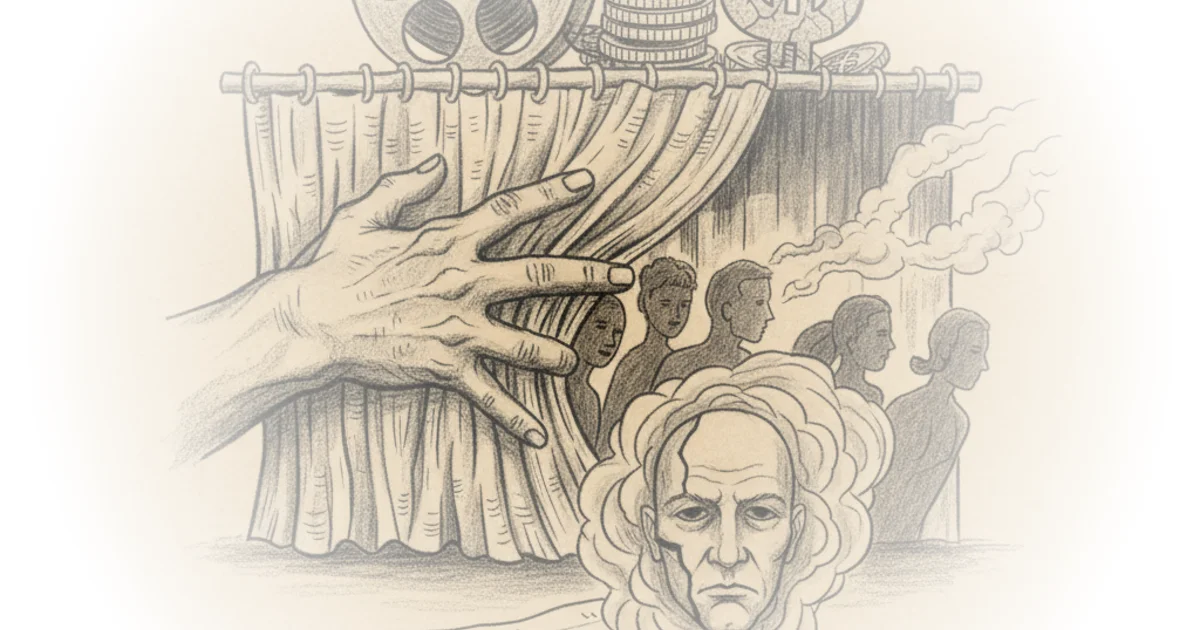
Greene’s historical pivot is where most analyses fail. He doesn’t just name the Motion Picture Alliance for the Preservation of American Ideals—he exposes its machinery. "Their statement of principles read, in part, that they pledged 'to fight, with every means at our organised command, any effort... to divert the loyalty of the screen from the free America that gave it birth,'" Greene writes. Underneath the patriotic veneer lay a precise purge list: union organizing, critiques of law enforcement, challenges to white Christian patriarchy. Crucially, he anchors this in visceral detail—Walt Disney deploying armed guards against cartoonists’ unionization attempts in 1941, per Neal Gabler’s biography, and eagerly naming names to HUAC. By 1947, the House Un-American Activities Committee subpoenaed the Hollywood Ten, jailing screenwriters for First Amendment defiance. Greene’s sharpest insight? The chilling effect wasn’t just about the jailed ten: Stanford research shows artists who merely collaborated with blacklisted peers saw employment drop 13-20%. The goal wasn’t profit—it was loyalty signaling through "patriotic" duds that were "poor art and box-office poison." This reframing transforms old history into urgent context: studios weren’t making bad business calls then, and they aren’t now.
"Progress that, in the words of the UCLA researchers, looks like a rocking horse. Moving constantly. Going nowhere."
The Soft Blacklist of 2026
Today’s playbook, Greene argues, swaps HUAC subpoenas for social media firestorms. "The mechanism is functionally the same: create a political threat environment, attach that threat to specific kinds of stories and storytellers, and let executives do the rest," he writes. Under Trump’s second term, federal agencies axed diversity research funding and banned the word "diversity" in government contexts—echoing 1947’s ideological gatekeeping but with "merit" and "DEI propaganda" as the new code words. The result isn’t jail time but vanished greenlights: Darnell Hunt’s data shows women directors at 10.1% (lowest since 2018), BIPOC directors at 22% (half of proportional need), and white men commanding 75% of top films. Greene’s commentary gains power by refusing to sensationalize—he notes there are "no congressional hearings yet," just silent erasure in writers’ rooms and budget meetings. A fair counterpoint: some might argue streaming’s algorithm-driven chaos, not politics, drives these trends. But Greene’s UCLA data spans theatrical releases, where studio control remains absolute—and where BIPOC audiences consistently show up.
Bottom Line
Greene’s masterstroke is proving Hollywood’s retreat isn’t market-driven but politically coerced—a thesis fortified by irrefutable box office receipts and resurrected history. His biggest vulnerability? Attributing every greenlight decision to culture war pressure risks underplaying corporate risk-aversion in a volatile industry. Watch for studios to reframe cuts as "creative streamlining"—exactly the erasure Greene’s fighting to document.