Dan Carlin opens this piece with something he's been wanting to do for years: interview Malcolm Gladwell about The Bomber Mafia. What makes this episode click isn't just the subject matter — it's that Carlin positions it as a palette cleanser between his massive six-part series on World War II. He's essentially telling listeners this is the breath of fresh air they've been waiting for.
Carlin's framing is immediately compelling because he identifies what most people miss about WWII bombing strategies: not just what happened, but how the moral position shifted from start to finish. "It's the story of how the U.S. got to the point where it was burning down all of Japan's major cities when the original idea amongst U.S. aviation theorists was specifically to avoid that outcome," Carlin paraphrases Gladwell's thesis. This is the hook — he's not describing bombs falling; he's describing a complete philosophical reversal.
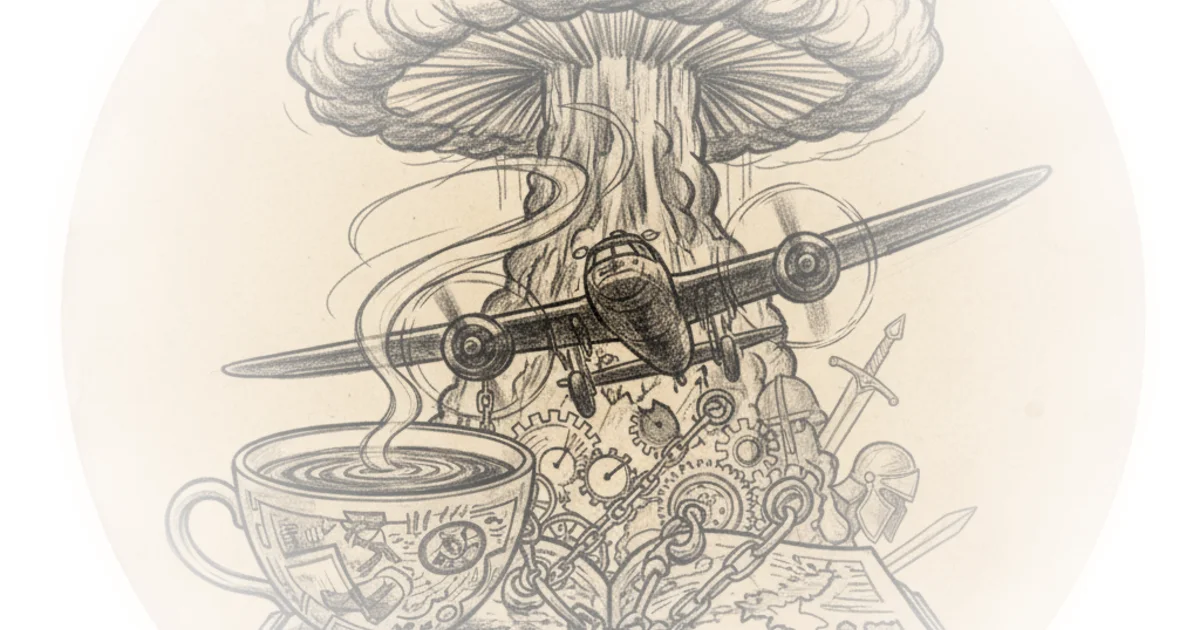
The American Dream of Precision
Carlin spends considerable time unpacking what he calls the "Bomber Mafia" — a group of air corps officers at Maxwell Air Force Base in Alabama during the 1930s who became convinced they could reform modern war. As Carlin explains, "they were fat on the faculty of what was called the air corps tactical school... and they were convinced they could reform modern war through the use of bombers." The group believed precision bombing would make every other element of traditional warfare obsolete — navies, armies, everything except bombers.
This isn't just military history. It's a window into how Americans have always believed technology offers unique advantages over traditional methods. Carlin captures this in his commentary: "there's always been this belief in American military doctrine that technology offers a set of opportunities and advantages." The dream was elegant — drop a bomb exactly where you want it, and warfare becomes cleaner, more humane.
From Horror to Practice
The most powerful section comes when Carlin traces the moral arc. He writes about how "the bomber mafia begin the war thinking that the British idea of area bombing was monstrous" — they regarded what RAF Bomber Harris was doing as "a kind of act of moral barbarousness." They positioned themselves as the humane alternative: "we'll avoid civilian casualties as much as possible... we'll leave the cities intact."
But then comes the reversal. Carlin notes that "by the end of the war they're the worst defenders" — meaning the American air force ended up doing precisely what they believed was monstrous. And crucially, "the nuclear bomb at the end of the war is the ultimate expression of the very idea they were trying to defeat." This isn't just irony; it's a moral catastrophe that Carlin frames brilliantly.
They explicitly think they're trying to avoid indiscriminate use of air power — and yet by the end, they're the ones doing it.
The Technology Fantasy
Carlin's coverage of the Norden bomb site is particularly strong. He describes how "the second thing is like they get the northern bomb site and... norden who is this brilliant inventor convinces the military brass that with the aid of this incredibly intricate analog computer that he has invented you really can hit whatever target you want." This was the technological faith at the heart of their argument — that physics could be solved, that precision from 25,000 feet was possible.
The B-29 Superfortress represented the culmination of everything they'd dreamed about. Carlin notes this with what feels like dark satisfaction: "the plane that finally meets their specifications and the bomb site that allows them to make... they think precision bombing a reality." The optimism in 1940-41 was extraordinary — they believed nothing could stop them.
What Gets Missed
Critics might note that Carlin's framing assumes moral consistency where there may have been simply strategic opportunism. The "Bomber Mafia" weren't necessarily hypocrites; they were optimists who found themselves at the wrong end of history. Their story isn't a cautionary tale about moral failure — it's a case study in how technology dreams collide with reality.
The biggest vulnerability is that Carlin doesn't fully explore why this shift happened. Was it battlefield necessity? A loss of faith in precision? Or simply the logic of total war? The piece gestures toward these questions but never quite answers them.
Bottom Line
This episode works because Carlin finds the moral center of WWII air power — not just what was bombed, but how anyone could go from believing bombing cities was "monstrous" to thinking it was "the proper way to win a war." The strongest part is his tracking of that reversal through specific targets and specific technologies. His biggest miss is leaving us wanting more about the why — why did American strategists make this leap? That's where next time's listening takes you.