Michael Macleod uncovers a bizarre, almost satirical reality in London's streets: phone thieves are no longer indiscriminate predators but picky consumers who actively reject Android devices in favor of Apple iPhones. This isn't just a crime statistic; it's a cultural shift where victims feel "rejected" by their attackers, a detail that transforms a violent mugging into a strange, humiliating transaction. Macleod's reporting reveals that the economics of the black market have become so specialized that a thief will return a stolen phone rather than accept a "lesser" brand, a nuance that changes how we understand the organized crime networks operating in the capital.
The Economics of Rejection
The piece opens with a startling anecdote that sets the tone for the entire argument. Sam, a 32-year-old walking past a Royal Mail depot, was robbed by a gang of eight men who took his phone, camera, and even his beanie. Yet, as the group fled, one thief turned back. "Don't want no Samsung," the man bluntly told Sam before handing the device back. Macleod notes the psychological toll of this interaction: "If anything I feel a bit rejected." This framing is crucial; it highlights how the commodification of crime has reached a point where the victim's dignity is wounded not just by the violence, but by the thief's disdain for their technology.
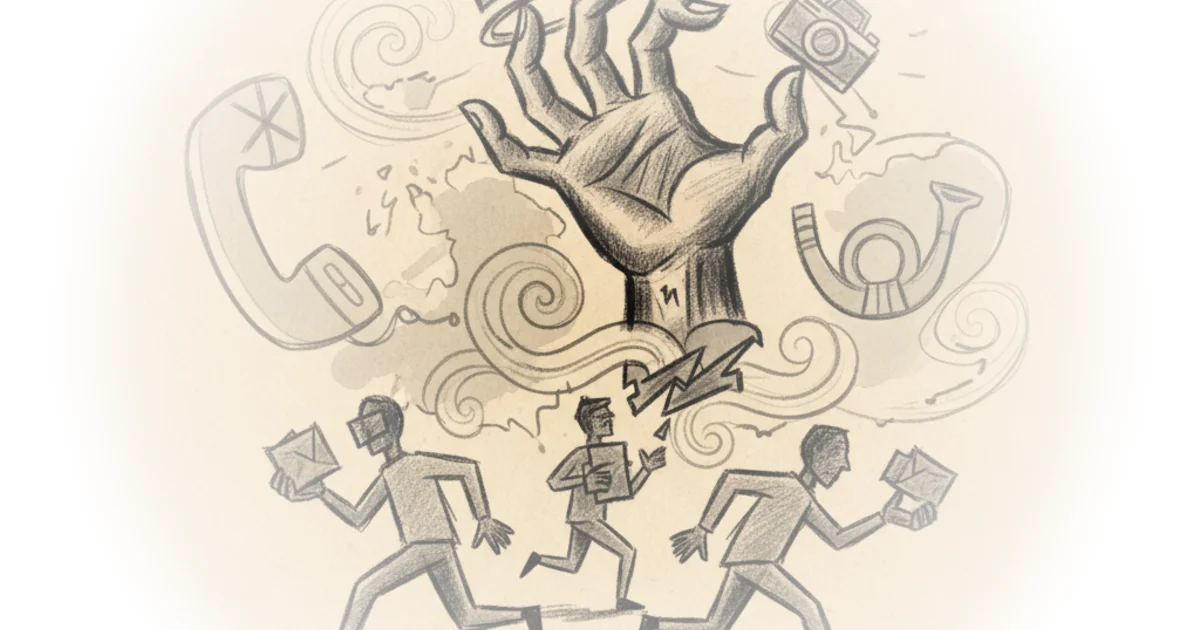
This pattern is not isolated. Macleod details the experience of Mark, whose Samsung Galaxy was snatched from his hand by a man on an e-bike. After a brief chase, the thief stopped, inspected the device, and threw it on the ground before cycling away. "I saw him stop, look at my phone, then throw it on the floor," Mark recalls. The thief's lack of interest in the Android device underscores a clear market reality. As Macleod writes, "The resale value is what thieves are most interested in." This economic logic is the engine driving the violence; it is not about random opportunity, but a calculated pursuit of high-value assets.
"Fundamentally, the resale value is what thieves are most interested in."
Jake Moore, a cybersecurity advisor cited by Macleod, explains that while security features on Android and iPhone are similar, the secondhand market for Apple devices is significantly stronger. "Apple devices have a higher secondhand market value and it makes more economic sense to pursue these more sought-after phones rather than cheaper models with a lower secondhand price," Moore states. This argument holds up against the data, even if official police forces lack specific breakdowns of stolen models. The bias is so pronounced that it has created a hierarchy of victimhood, where owning a cheaper phone might ironically offer a strange, unintended layer of protection against the most aggressive theft rings.
Critics might note that this focus on "picky thieves" risks minimizing the violence inherent in these crimes. A victim is still assaulted, regardless of whether their phone is returned. However, Macleod's inclusion of the "rejected" sentiment effectively illustrates the dehumanizing nature of these encounters, where people are reduced to the resale value of their accessories.
When Theft Becomes Farce
The article takes a turn toward the absurd when Macleod describes social engineering attempts that fail due to the victim's device choice. Simon, a reader in Brockley, was approached by a man feigning friendship to ask about Spotify. "I thought he was trying to show me his music, like when someone tries to sell you a CD they've burned," Simon explains. The ruse only collapsed when the thief saw the Samsung Galaxy. "Phone's dead, innit," the thief muttered to his accomplice before walking away. Macleod describes this moment as bordering on "farcical," yet it reveals the depth of the criminal specialization.
This specificity in criminal behavior mirrors the historical precision found in other fields of human endeavor. Much like the intricate, almost obsessive detail in Pieter Bruegel the Elder's paintings, where every figure and object serves a specific narrative purpose, these thieves operate with a granular understanding of their market. Just as Bruegel's work in the 16th century captured the chaotic specificity of human life, Macleod's reporting captures the chaotic specificity of modern street crime, where a thief's decision to walk away is as calculated as any corporate merger.
The Broader Context of Urban Chaos
While the phone theft story dominates the narrative, Macleod weaves in other disturbing threads of London life that reflect a city under strain. From a giant, AI-generated mural in Kingston that locals describe as a "dystopia" featuring "one legged dog-cum-chicken" figures, to the toxic governance battle on the Loughborough Estate where a board chairman claims lives are at stake and moves meetings to Zoom to avoid "stabbing or gunshot," the article paints a picture of a metropolis grappling with surreal and dangerous realities.
The Loughborough Estate situation is particularly harrowing. Peter Shorinwa, the board head, has accused the council of assassination attempts and distributed branded leather goods to residents, claiming he cannot hold a face-to-face meeting because "we don't want any stabbing or gunshot in our Estate." Macleod reports that residents describe the situation as absurd, with one calling Shorinwa "clearly deranged." This section serves as a grim counterpoint to the phone theft story; while thieves are picky about their loot, the residents of the Loughborough Estate are fighting for their very safety and housing security against a leadership that seems to have lost its grip on reality.
"It is absurd that the Loughborough Estate is still being run by the clearly deranged Peter Shorinwa."
The article also touches on the plight of residents at Tomlinson House, who are fighting a property developer described by the Royal Institute of Chartered Surveyors as a "dishonest" individual. The developer, James Gold, is accused of using legal loopholes to transfer council housing to tax havens. "At my age I don't need this," says Pam, a leaseholder facing the loss of her home. Macleod's decision to remove the paywall on this investigation underscores the public interest in exposing these predatory practices.
Bottom Line
Michael Macleod's piece is a masterclass in finding the human absurdity within systemic crime. The strongest element is the reframing of theft not as random violence, but as a market-driven industry with its own brand preferences, a concept that is both chilling and darkly humorous. The biggest vulnerability lies in the potential to trivialize the trauma of the victims by focusing too heavily on the "rejected" narrative, though Macleod largely mitigates this by grounding the stories in the physical violence and fear experienced by the subjects. Readers should watch for how this economic specialization in crime evolves, and whether the police can adapt their strategies to target the specific networks that value iPhones above all else.