This piece from The Pillar accomplishes something rare in religious journalism: it anchors a high-stakes canonical schism in the visceral reality of human suffering before pivoting to a forensic dissection of Vatican power. While other outlets rush to tally excommunications, this report asks whether pain has meaning and how institutional clarity can actually heal a fractured community.
The Anatomy of Pain and Protocol
The commentary opens not with theology, but with the physical trauma of the author's return from injury, using personal agony as a lens for understanding the broader ecclesial crisis. "I badly, but badly, injured myself during a softball game by whipping around at very literally breakneck speed to dive for a line drive," The Pillar reports, describing a moment where standard first aid failed and pain became "pure fire snaking down one side of it." This narrative choice is strategic; it grounds the abstract concept of schism in the tangible experience of brokenness. Just as an avulsion fracture involves bone tearing away from its tendon attachment due to sudden force, the Society of St. Pius X (SSPX) has violently torn itself from papal authority through a sudden, decisive act.
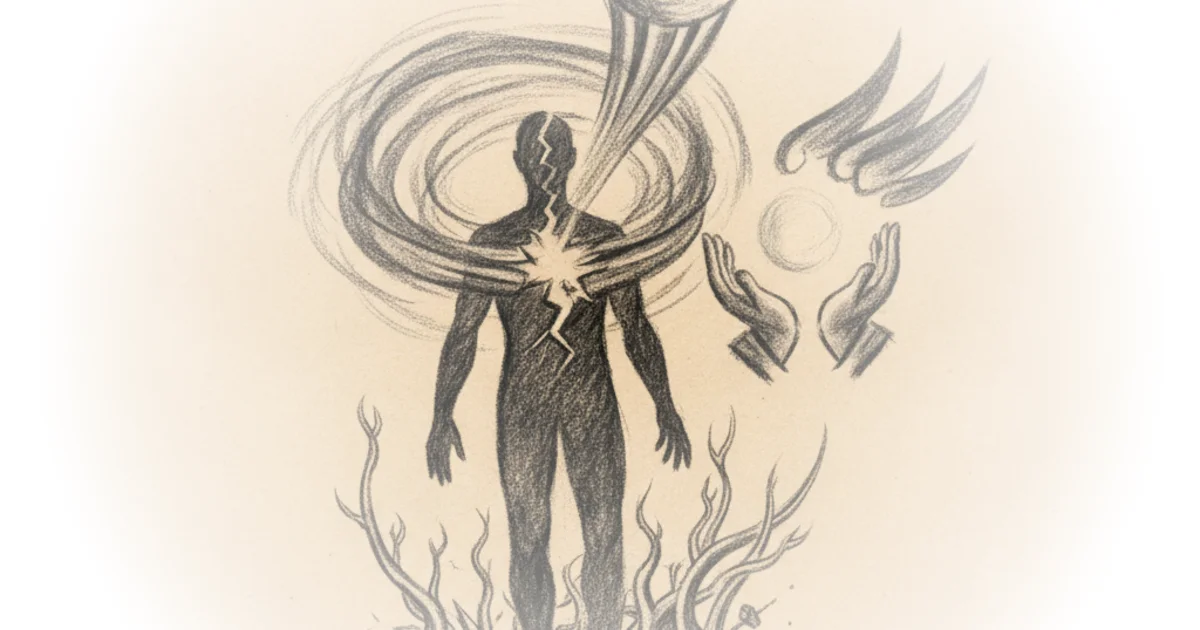
The piece argues that this physical ordeal taught a lesson applicable to the church: "there is no such thing as 'pointless pain' or 'meaningless suffering.'" The editors suggest that every aspect of human existence carries fundamental dignity, regardless of its origin. This framing is powerful because it refuses to treat the SSPX crisis merely as a legal dispute; it treats it as a pastoral wound requiring redemptive care rather than just punitive measures.
Every aspect of our human existence and experience is loaded with the same worth and fundamental dignity as defines us as persons.
The report then shifts to the core news: the illicit consecration of four bishops by the SSPX. "From Vatican Council II up to the present day, the authorities in the Church have been animated by a spirit that is contrary to that of the faith," The Pillar notes, quoting the defiant response given during the liturgy instead of the required affirmation of papal mandate. This direct quotation highlights the depth of the break; it is not a procedural error but a theological rejection.
Critics might argue that focusing on the personal pain of the author dilutes the urgency of the schism, yet The Pillar uses this vulnerability to explain why the Vatican's response was so nuanced. The Dicastery for the Doctrine of the Faith (DDF) did not simply issue a blanket ban; they released a protocol distinguishing between clergy and laity based on their motivations. "The document draws some very clear and important distinctions between clergy and laity, and between different sections of the faithful who may have found themselves involved with the SSPX for very different reasons," the piece explains. This approach mirrors the medical reality that a single diagnosis does not always dictate a single treatment; just as redemptive suffering requires a specific spiritual response, canon law now requires a differentiated pastoral one.
The Mechanics of Schism and Financial Mirages
The coverage moves beyond the immediate crisis to examine the structural shifts within the Vatican itself. Under Pope Leo, significant changes have been made to the governance of the Diocese of Rome, rolling back reforms from his predecessor. "Three years after Francis promulgated the apostolic constitution In Ecclesiarum Communione, Leo published motu proprio Confirma Fratres Tuos, making major changes to the Vicariate's governing structure," The Pillar reports. This move re-centers authority around the Cardinal Vicar, a shift local observers interpret as an implicit rebuke of Bishop Renato Tarantelli Baccari.
The financial implications are equally stark. The piece highlights a troubling trend in Vatican fundraising, noting that Peter's Pence revenue has dropped despite predictions of a "new pope bounce." The editors warn that the reported decrease in expenses is misleading: "that drop in expenses came from slashing the contribution to the curial operating budget by 20 million euros. That is going to show up in the next Vatican financial statement... I think we are watching that mirage disappear in real time." This analysis cuts through the optimism often found in institutional reporting, suggesting that fiscal stability is being maintained by cutting internal support rather than generating new resources.
The report also touches on the broader geopolitical context, including the detention of Bishop Abelardo Mata in Nicaragua and the U.S. government's attempt to build a border wall on a pilgrimage site in New Mexico. In the latter case, the conflict between federal policy and Catholic teaching is laid bare: "A diocesan official told The Pillar the wall would be a political monument to a policy he said is opposed to Catholic teaching," while federal agents cited human trafficking concerns. This juxtaposition underscores the complex reality where institutional authority clashes with local pastoral needs.
The Danger of Amateur Canon Law
As the dust settles, The Pillar addresses the flood of questions from the faithful regarding who exactly is affected by the excommunications. The editors express frustration with what they term "amateur canon lawyering," arguing that many inquiries are made in bad faith. "Some of these questions... have been made in less than good faith," the piece asserts, noting a tendency to find loopholes rather than seek understanding.
The core argument here is that the Vatican has intentionally created space for self-sorting. "The Vatican has gone out of its way to, if not separate the sheep from the schismatic goats, at least to allow the SSPX flock to self-sort," The Pillar explains. This nuance is crucial; it suggests that the Church is prepared to distinguish between those who actively support the schism and those who are merely confused or seeking traditional liturgy without rejecting papal authority.
The piece concludes by reminding readers of the human cost of these institutional maneuvers, tying back to the opening theme of suffering. "I don't claim to have dealt with it perfectly, but I did my best to turn it to prayer in solidarity with the many people I know who are facing greater pain," the author reflects. This sentiment serves as a reminder that behind every canonical decree and financial report are real people navigating complex spiritual landscapes.
The Vatican has gone out of its way to allow the SSPX flock to self-sort, acknowledging the genuine multiplicity of reasons which could have brought a Catholic into the society's orbit.
Critics might note that this emphasis on nuance risks prolonging uncertainty for local bishops who must enforce these rules. However, the piece argues that clarity without compassion is insufficient in dealing with a schism rooted in deep theological grievance.
Bottom Line
The Pillar's strongest move is reframing a canonical crisis through the lens of human vulnerability, arguing that institutional clarity must be paired with pastoral nuance to be effective. Its biggest vulnerability lies in its reliance on the assumption that the faithful will engage in good faith self-sorting rather than exploiting the ambiguity for political gain. Readers should watch how local bishops implement these new protocols, as their ability to balance strict canonical enforcement with pastoral care will determine whether this schism deepens or heals.