This is not a story about a bad fishing trip; it is a harrowing case study in how regulatory gaps and the erosion of professional standards can turn a leisure activity into a life-or-death hostage situation. Evan Lubofsky constructs a narrative so visceral it feels less like journalism and more like a thriller, yet the stakes are undeniably real. The piece forces us to confront a terrifying reality: the people entrusted with our safety at sea are not always vetted, and the consequences of that failure are measured in human lives.
The Illusion of Safety
Lubofsky begins by dismantling the idyllic premise of a father-son bonding experience, immediately replacing it with the claustrophobic dread of a cabin where five men are hiding from a drug-fueled captor. He writes, "The cabin's a sauna. The terrified passengers keep the windows shut to drown out the sound of the boat's twin diesels. They need to listen intently for footsteps coming down the ladder." This sensory detail is crucial; it grounds the reader in the physical reality of the fear, making the abstract concept of "danger" immediate and suffocating.
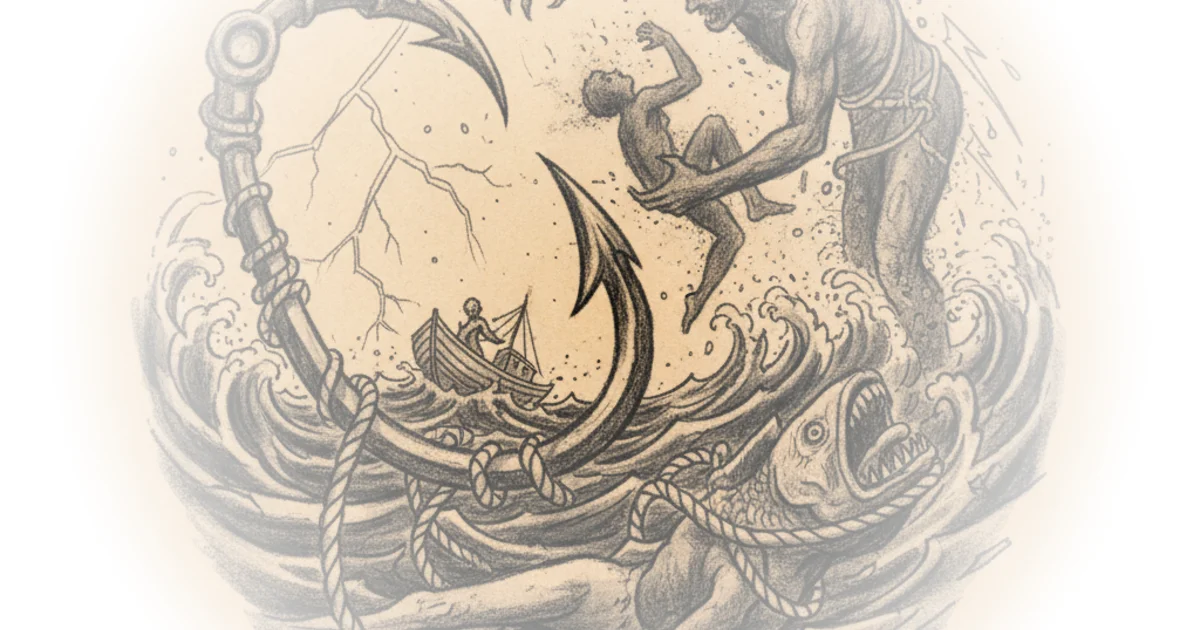
The author's choice to detail the captain's descent into madness—snorting cocaine and brandishing a 9mm while shouting death threats—serves a dual purpose. It highlights the individual pathology of Mark Bailey, but more importantly, it exposes the systemic failure that allowed him to operate. Lubofsky notes that despite a history of arrests for trespassing and erratic driving, and a license that had expired, Bailey was still taking paying customers offshore. The narrative suggests that the maritime industry's reliance on word-of-mouth and online reviews is insufficient when a captain is actively spiraling. As Lubofsky observes, "Recreational anglers kept trusting him with their lives," a sentence that lands with heavy irony given the outcome.
"They're no longer passengers aboard a fishing charter. They're hostages."
Critics might argue that focusing on the captain's personal demons distracts from the broader issue of maritime safety regulations, but Lubofsky's framing is deliberate. By showing how a man with a "pirate persona" and a history of violence could slip through the cracks, he illustrates how institutional blindness often favors the charismatic over the competent. The story echoes the historical context of the Digital Millennium Copyright Act, where the law's focus on specific technical infringements often misses the broader, human-scale chaos that occurs when oversight fails to keep pace with reality.
The Anatomy of a Standoff
As the narrative shifts to the standoff itself, Lubofsky masterfully contrasts the passengers' attempts at de-escalation with the captain's escalating paranoia. The author highlights the moment Chris Giuffre Jr. tries to reason with Bailey, only to be met with a chilling threat: "I've got a 9mm on deck. I could shoot all of you guys and dump you over the side. No one will care." This quote is the pivot point of the article, transforming the conflict from a dispute over respect into a potential massacre.
The coverage here is particularly effective in its attention to the power dynamics at play. Lubofsky details how Jason Rialmo Sr., a man with a history of weapons charges and currently on probation, is forced to stand down to avoid returning to prison. This adds a layer of tragic complexity to the scene; the very system designed to protect society (probation laws) inadvertently disarms the only passenger capable of physically intervening. Lubofsky writes, "He decides to sacrifice his own pride and stand down," a decision that underscores how legal constraints can sometimes trap victims in dangerous situations.
The tension is further amplified by the isolation of the boat. Lubofsky describes the moment the boat moves beyond cell range, noting, "Everyone holed up in the cabin realizes that they're no longer passengers aboard a fishing charter. They're hostages." This realization marks the point of no return. The author's pacing here is relentless, mirroring the passengers' own racing hearts as they wait for the captain to descend the ladder. The narrative does not shy away from the violence, describing the gunshots as "PAP-PAP-PAP!" as Bailey fires just feet above the passengers' heads.
The Human Cost of Negligence
The most poignant section of the piece is the parallel narrative of the families waiting on shore. Lubofsky shifts the focus from the boat to the lanai, where Tracie Giuffre waits for a husband who is not answering his phone. The author writes, "They're not even responding. Should I call the police?" followed by the grim correction, "No, you have to call the Coast Guard." This exchange encapsulates the terrifying delay between the onset of a crisis and the arrival of help.
Lubofsky's decision to include the backstory of the other passengers, particularly the teenager who had just witnessed his father's arrest years prior, adds a profound emotional weight. The boy, "Junior," is now facing a similar nightmare, this time with a captain threatening to throw him into the ocean. The author notes, "He hasn't forgotten the day he came home from elementary school to a wrecked living room after the cops busted in and wrestled Jason Sr. into custody." This parallel suggests a cycle of trauma that the legal system and society have failed to break. The coverage implies that the failure to properly license and monitor Bailey was not just a bureaucratic oversight, but a betrayal of the community's trust.
The article also touches on the broader implications of the Digital Millennium Copyright Act's companion topic, the concept of hostis humani generis (enemy of all mankind). While Bailey is not a pirate in the traditional legal sense, his actions on the high seas—holding passengers hostage and threatening to kill them—effectively place him in that category. The author's framing suggests that when a captain abandons his duty of care, he forfeits the protections of the law and becomes a threat to humanity itself.
"He had gotten to a point where that side of him was outweighing him."
A counterargument worth considering is whether the passengers could have acted more decisively. Lubofsky acknowledges this tension, noting that the passengers considered staging an ambush but were hampered by the lack of weapons and the uncertainty of the first mate's loyalty. However, the author's choice to focus on their fear rather than their potential for heroism is a more honest reflection of the human condition in the face of sudden violence. It is not a story of triumph, but of survival.
Bottom Line
Evan Lubofsky's coverage is a masterclass in narrative nonfiction, using the specific tragedy of the Double Marker to expose a wider rot in the charter fishing industry. The piece's greatest strength is its refusal to look away from the human cost of regulatory failure, forcing the reader to confront the reality that the people we trust with our lives are not always who they seem. Its biggest vulnerability lies in the inherent difficulty of proving what could have been done differently in the heat of the moment, but the evidence of negligence is overwhelming. Readers should watch for how this incident influences future licensing and safety protocols for for-hire vessels, as the status quo has clearly proven lethal.