Devin Stone doesn't just investigate Dr. Phil; he dismantles the carefully constructed myth of the "tough love" therapist to reveal a pattern of business opportunism that predates his television fame. The most striking claim isn't that McGraw isn't a doctor, but that his entire career has been a series of high-stakes gambles where vulnerable people are the collateral damage. Stone brings forensic detail to a $500 million bankruptcy saga, arguing that the recent collapse of Dr. Phil's new media venture is not an anomaly, but the inevitable result of a man who has never truly understood the difference between a therapeutic relationship and a transaction.
The Business of "Tough Love"
Stone begins by peeling back the layers of the "folksy uncle" persona, pointing out that McGraw's first major business venture was a health spa in Kansas where he and his father allegedly sold lifetime memberships, took the money, and vanished. "McGraw moved on to greener pastures in the Lone Star State, where he really did earn a PhD in clinical psychology from the University of North Texas," Stone writes, immediately undercutting the credential by noting, "But Dr. Phil is not a physician. In fact, he's not even a licensed psychologist anymore." This juxtaposition is effective because it frames his entire TV career not as a public service, but as a loophole exploitation. The author argues that McGraw let his Texas license lapse after a reprimand for entering a business relationship with a patient, a move that suited him perfectly since he had "much more lucrative plans in mind."
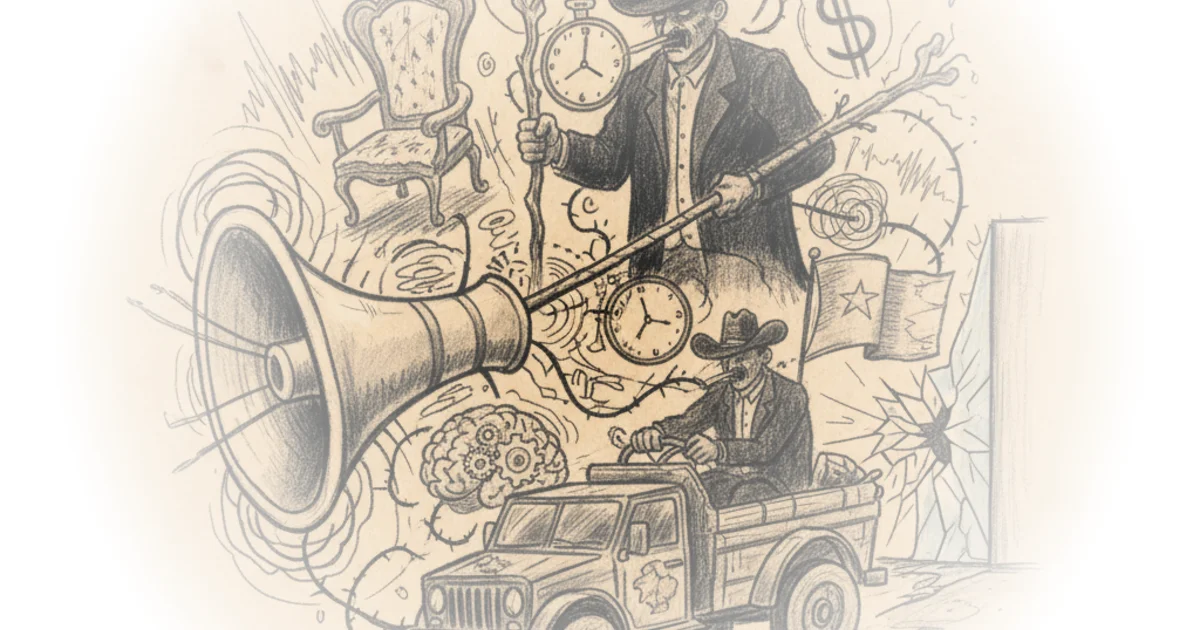
The commentary shines when connecting this early history to his television dominance. Stone explains that McGraw's rise wasn't accidental; it was a calculated pivot from jury consulting to daytime TV after coaching Oprah Winfrey. He notes that the show's format, which encouraged parents to send troubled teens to "therapeutic ranches," was essentially a ratings goldmine built on exploitation. "Was it ethical? No. Was it ratings gold? Yes. And was it lucrative? Oh, hell yes," Stone asserts. This blunt assessment cuts through the sentimental nostalgia many viewers hold for the show. Critics might argue that the show did help some families find resources, but Stone's evidence regarding the unauthorized visit to Britney Spears and the comparison of a nine-year-old to a serial killer suggests a systemic disregard for ethical boundaries in favor of shock value.
Was it ethical? No. Was it ratings gold? Yes. And was it lucrative? Oh, hell yes.
The $500 Million Fantasy
The narrative shifts to the recent bankruptcy and the collapse of the partnership with the Trinity Broadcasting Network (TBN). Stone details how McGraw, facing declining ratings, convinced TBN to invest $500 million in a new network called Merit Street Media. The crux of the fraud allegations, as Stone outlines, rests on McGraw's claim that he could offer TBN access to his entire CBS back library "at no additional cost." Stone dismantles this with legal precision: "CBS sure wasn't going to make that mistake again because the first time led to a whole new network that now competes with them." The author highlights the absurdity of the deal, noting that the two parties operated for a year on a "five-page vaguely worded agreement" without a written contract, a recipe for disaster in any industry, let alone media.
Stone's analysis of the text messages between McGraw and his lawyer, Jamie Ribman, provides a damning look at the strategy to seize control of the new company. The plan involved convincing TBN's president to voluntarily give up his majority share by appealing to his parents' pride. "Stage one of this project was to convince TBN to give up their controlling majority share in the new venture," Stone writes, describing the maneuver as an attempt to "persuade Matt Crouch... to voluntarily hand over tens of millions of dollars in equity." This section is particularly compelling because it moves beyond the financial numbers to the psychological manipulation at play, mirroring the very tactics McGraw used on his TV guests. A counterargument worth considering is whether TBN's executives were simply negligent in their due diligence, but Stone's evidence of the false representations regarding ad sales and audience loyalty suggests active deception rather than mere incompetence.
In fact, there's only one host in the history of talk shows who's ever gotten meaningful ownership and control of the back library and syndication rights.
The Final Verdict on a "Life Strategist"
The piece concludes by tying the bankruptcy back to the core theme: McGraw's inability to separate his personal brand from the legal realities of business. Stone observes that while McGraw claimed he left CBS due to "woke censorship," the reality was likely the simple economics of a dying medium. "Dr. Phil would later claim that he'd resigned because of wokeism. In reality, it was probably Instagram and TikTok," Stone notes, grounding the narrative in the harsh truth of changing media consumption. The author's final judgment is that McGraw's attempt to build a new empire on a foundation of misrepresentation has led to a "$500 million meltdown" that is entirely of his own making.
The strength of Stone's coverage lies in his refusal to let the "Dr. Phil" brand obscure the man behind it. By weaving together the spa scandal, the license revocation, the TV ethics violations, and the current fraud lawsuits, he constructs a cohesive argument that this is not a story of a fallen star, but of a consistent operator. The biggest vulnerability in the argument, perhaps, is the lack of direct testimony from TBN executives, though the legal filings and text messages provide a robust alternative. Ultimately, Stone leaves the reader with a clear picture of a man who spent two decades telling others to "get control of your life" while losing control of his own.
Are you delusional?
Bottom Line
Devin Stone's investigation is a masterclass in connecting the dots between a celebrity's public persona and their private legal troubles, proving that Dr. Phil's "tough love" was always a business strategy, not a therapeutic one. The argument's greatest strength is its chronological depth, showing that the current bankruptcy is merely the latest chapter in a long history of ethical shortcuts. Readers should watch for the outcome of the fraud lawsuits, as they will likely determine whether the "Dr. Phil" brand can survive the collapse of the man behind it.