In a landscape saturated with partisan shouting matches over national security, The Hated One cuts through the noise with a radical, almost uncomfortable truth: the TikTok ban is less about stopping Chinese spies and more about exposing the hypocrisy of a surveillance state that tolerates data collection only when it happens domestically. This piece is not a defense of the app, but a dismantling of the government's narrative, arguing that the real threat isn't a specific foreign algorithm, but the insatiable, universal hunger for personal data that makes every tech giant a potential target for state-sponsored hacking.
The Illusion of National Security
The Hated One begins by rejecting the standard national security panic, reframing the issue from a unique Chinese threat to a global reality of cyber warfare. "Everything you ever heard about the TikTok ban is a lie," they assert, immediately challenging the reader to reconsider the premise of the entire debate. The author argues that the United States government's claim—that the app is a tool for covert operations—is a convenient distraction from the fact that every major nation-state, including the U.S., engages in aggressive cyber operations. As The Hated One puts it, "The principle is if you can do it you should do it," highlighting a brutal international realism where cyber espionage is the norm, not the exception. This framing is effective because it strips away the moral superiority often claimed by Washington, forcing the reader to confront the idea that the ban is a public relations victory rather than a genuine security measure.
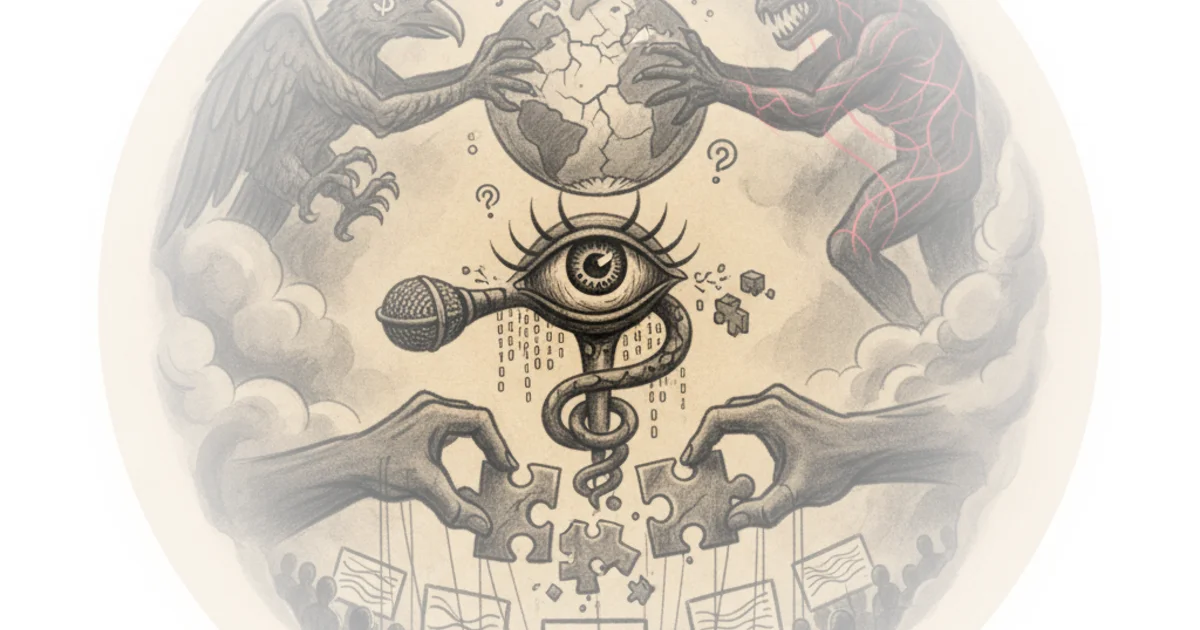
Critics might argue that singling out a foreign-owned platform is still a necessary defensive posture, regardless of what other nations do. However, the author counters this by noting that limiting one vector of data collection does little to stop a determined adversary. "China could easily steal that data anyway by hacking into potentially future independent TikTok or stealing that data from any other US company," The Hated One writes. This point lands hard: if the data exists in a centralized repository, it is a target, regardless of the flag flying over the server room. The ban, therefore, creates a false sense of safety while leaving the underlying vulnerability untouched.
The end of free speech on the internet is the most crushing takeaway from the whole story, and yet no one seems to care.
Code as Speech and the Constitutional Paradox
The piece then pivots to the legal and philosophical heart of the matter: the definition of speech in the digital age. The Hated One meticulously traces the legal precedent where code was established as speech, referencing the 1995 case Bernstein v. US Department of Justice, where encryption was reclassified from ammunition to protected expression. "In the eyes of US justice, code is speech," they write, noting that the Supreme Court has historically protected programming languages as a form of communication. The irony, the author argues, is that the current ban effectively overturns this precedent under the guise of national security. "Now that the Supreme Court has officially approved the TikTok ban... code is no longer speech when the government can say national security and all your constitutional rights go out the window," The Hated One observes. This is a powerful critique of how easily civil liberties are sacrificed when the executive branch invokes fear, a dynamic that extends far beyond a single app.
The Hypocrisy of Data Collection
Beyond the legal arguments, The Hated One exposes the double standard in how the U.S. treats data privacy. The author points out that the app's data collection practices are not clandestine; they are explicitly detailed in privacy policies and are functionally identical to those of American tech giants. "TikTok is absolutely a privacy nightmare, don't get me wrong, it collects all of your usage and viewing habits," they concede. However, the author emphasizes that this behavior is not unique to the platform. "None of this is in any way different from what US-based social media apps are doing," The Hated One states, calling the selective outrage a "shallow, hypocritical stance." The argument suggests that the ban is not a solution to privacy concerns but a political theater that allows the government to appear tough on China while ignoring the massive data brokering industry operating legally within the United States.
A Galactic Brain Solution
The commentary culminates in a proposal that the author admits is unlikely to be implemented: a total ban on personal data collection beyond what is strictly necessary for service delivery. "The fundamental problem is not TikTok and it's not even China; it's the insatiable thirsty data collection that creates too lucrative a target for hackers," The Hated One argues. They propose that if companies stopped hoarding user data, the incentive for foreign intelligence services to hack them would vanish. "Most private data is no data," they declare, suggesting that the only way to truly protect user privacy is to stop the collection in the first place. This is a "galactic brain" idea because it attacks the root cause of the vulnerability rather than the symptom. However, The Hated One acknowledges the political reality: "This is also something the US intelligence will do everything to prevent from being implemented," recognizing that the intelligence community relies on this very data for its own operations.
Bottom Line
The Hated One's most compelling contribution is the shift from a geopolitical blame game to a structural critique of the data economy, forcing readers to question why we accept mass surveillance from domestic companies while panicking about foreign ones. The argument's greatest vulnerability is its reliance on a regulatory overhaul that seems politically impossible in the current climate, yet it remains a necessary conversation starter. The piece succeeds not by defending TikTok, but by exposing the hollowness of the ban as a solution to the broader crisis of digital privacy.