Devin Stone doesn't just watch legal dramas; he dissects them with the precision of a practicing attorney, revealing how a single episode of Better Call Saul accidentally became the most accurate depiction of bar disciplinary hearings in television history. While most viewers see high-stakes courtroom theatrics, Stone identifies the subtle, procedural realities that make the show's "Chicanery" episode a masterclass in legal ethics, evidence rules, and the tragic human cost of professional conduct violations.
The Reality of Bar Hearings
Stone immediately grounds the analysis in the specific nature of the proceeding: this is not a criminal trial, but a disciplinary hearing where the stakes are a lawyer's license rather than their liberty. He notes the unique constraints of the setting, where the presiding panel must accommodate a witness claiming an allergy to electricity, creating a surreal atmosphere that still carries the weight of law. "This is not a normal trial," Stone writes, "this is a disciplinary hearing by the bar so it's a question of whether jimmy gets to keep his uh bar license." This distinction is crucial because it explains why the rules of evidence and procedure often bend to accommodate the specific facts of the case, such as the decision to turn off all lights.
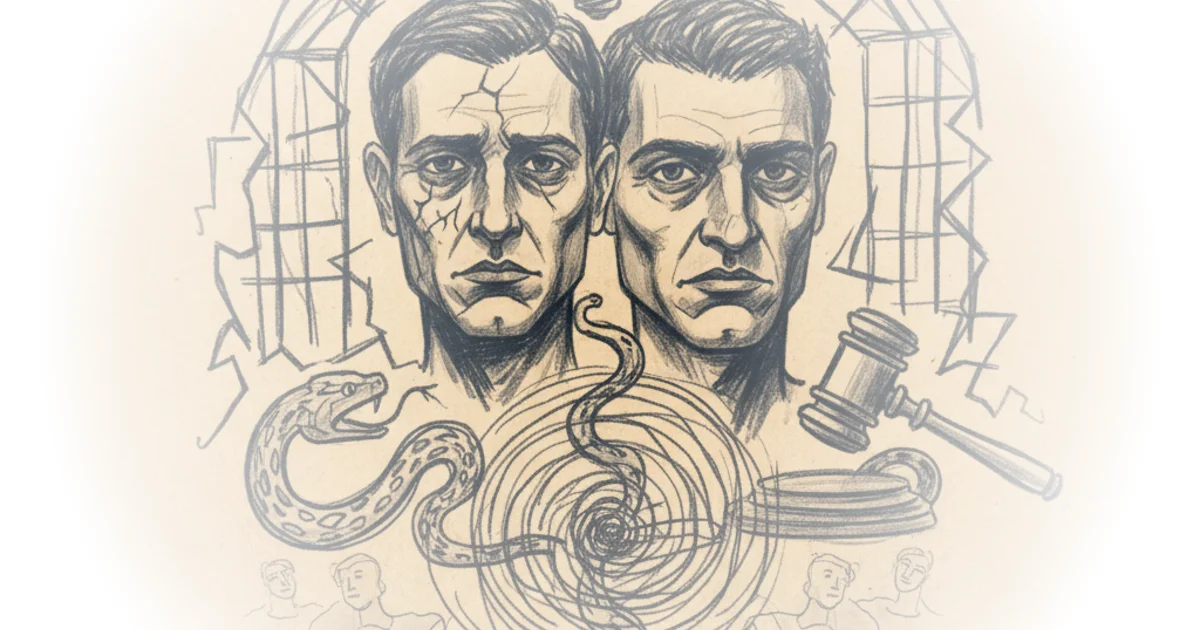
Stone argues that the show's writers did something rare: they got the ethical obligations of lawyers exactly right. When the protagonist, Jimmy, realizes documents have been fabricated, the show correctly depicts the mandatory duty to report this to the tribunal. Stone highlights this as a moment of genuine accuracy in a genre known for bending the truth. "Under the rules of professional conduct if a lawyer realizes that a document has been fabricated they have an obligation to tell the tribunal or the court that it has been doctored and come forward with that," he explains. This adherence to the Model Rules of Professional Conduct elevates the episode from mere entertainment to a legitimate case study in legal ethics.
"You sweet sweet summer child" — a phrase Stone uses to describe the common misconception that witnesses simply show up and testify without preparation, a reality the show brilliantly deconstructs.
The Strategy of Testimony
The commentary shifts to the tactical errors made by the prosecution, specifically the decision to call a difficult witness when the case was already solid. Stone points out a fundamental principle of trial advocacy: sometimes, the best strategy is to keep your mouth shut. The character Chuck insists on testifying despite advice to the contrary, a move that Stone identifies as a fatal flaw in the prosecution's case. "If you already have a rock solid case and you have a witness who doesn't play well on the stand or there are other issues that are going to confuse the jury or the judge then it's best not to put that witness forward," Stone observes. This insight into trial strategy is often overlooked in legal dramas, which prioritize drama over procedural logic.
Stone also dissects the opening statements, noting how the prosecution focused heavily on the law rather than the facts, a move he finds both accurate for a disciplinary hearing and slightly unusual for a dramatic opening. He praises the show for capturing the specific language of legal arguments, even as he critiques the pacing. "I would have liked to have heard more about the facts that the state or the state bar is going to prove here," Stone admits, suggesting that while the legal citations were perfect, the narrative flow could have been tighter. This balance between technical accuracy and narrative drive is what makes the episode so compelling.
The Ethics of Representation
Perhaps the most damning critique Stone offers concerns the defense attorney, Kim Wexler, and her role in the proceedings. Stone identifies a massive ethical conflict that the show hints at but rarely fully explores: Kim is not just the defense counsel; she is a material witness to the events in question. "She is one of the reasons that this whole situation has come to fruition it's a little crazy for her to be counsel here despite the fact that she's a law partner with jimmy," Stone argues. This conflict of interest is a textbook violation of ethical rules, yet the show uses it to heighten the tension rather than resolve it.
Stone also touches on the legal implications of the evidence tampering itself, noting that the show correctly identifies the severity of the crime. The protagonist's actions—breaking into his brother's home and destroying evidence—are not just plot devices; they are clear violations of criminal and professional codes. "Tampering with evidence to try and obstruct an investigation or to interfere with another court case clearly clearly illegal," Stone states, emphasizing that the show does not shy away from the gravity of these actions. This realism is what separates Better Call Saul from its peers.
Critics might note that Stone's analysis occasionally overlooks the dramatic license required to make the episode watchable, but his core argument holds: the show's commitment to legal accuracy is what makes it a timeless piece of television. The tension between the need for drama and the need for truth is a constant struggle in legal storytelling, and Better Call Saul manages to navigate it with remarkable skill.
Bottom Line
Stone's commentary succeeds because it treats the source material with the seriousness it deserves, revealing the intricate legal machinery that drives the plot. The strongest part of his argument is the identification of the ethical conflicts that go unnoticed by the average viewer, while his biggest vulnerability is a slight over-reliance on the assumption that the show's writers always intended this level of accuracy. For anyone interested in the intersection of law and media, this analysis is essential viewing.
"This is not a normal trial... this is a disciplinary hearing by the bar so it's a question of whether jimmy gets to keep his uh bar license."
The episode's enduring power lies in its ability to make the mundane details of legal procedure feel like high-stakes drama, a feat that Stone's analysis brings into sharp focus.