Ruth Reichl transforms a simple recipe for angel food cake into a profound meditation on how early culinary experiences shape our lifelong relationship with comfort and creativity. Rather than offering a dry technical manual, she anchors the science of baking in a childhood memory where the rhythmic sound of a whisk became a balm for family trauma, arguing that the magic of food lies not just in flavor, but in the alchemy of process.
The Alchemy of Memory
Reichl opens by reframing the kitchen not as a place of labor, but as a sanctuary. She recalls how her parents used restaurants to soothe their children during difficult times, noting, "Mom was convinced the trattoria around the corner could cure anything that ailed us." This sets the stage for her central thesis: that cooking is an emotional act first and a technical one second. She describes her own initiation at age seven, mesmerized by the separation of eggs, where she found that "the ingredients were the same – eggs, sugar, heat and air - but the results could not have been more different."
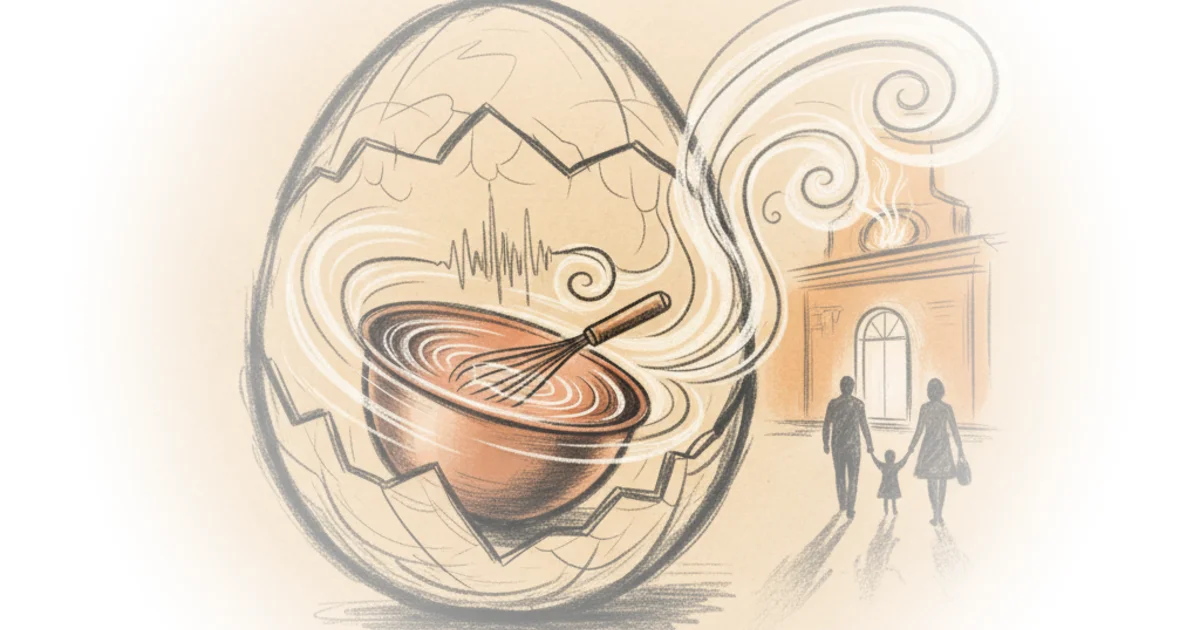
This observation is the core of her argument. By juxtaposing the soft, foamy zabaglione with the stiff, structural meringue, Reichl illustrates how subtle shifts in technique yield entirely different emotional textures. She suggests that this early mastery of eggs provided a foundation of confidence that sustained her through a decades-long career. "I'm convinced it's the reason that, after all these years I still find comfort in cooking," she writes, linking the physical act of whipping eggs to the psychological need for stability. While some might argue that such nostalgia romanticizes the labor of professional cooking, Reichl's point holds weight: the joy of creation often outweighs the difficulty of execution.
If these are the first dishes you ever cook you are a very lucky person. Sadly, you soon discover that few recipes are equally intoxicating.
The Precision of Perfection
Transitioning from memoir to instruction, Reichl dismantles the myth that baking is purely intuitive. She presents a rigorous, almost scientific approach to making angel food cake, emphasizing that success depends on controlling variables that most home cooks ignore. She insists that "cold eggs are easier to separate" and that the whites must be brought to a specific temperature of 60 degrees for optimal viscosity. Her instructions are unforgiving: "If even the tiniest amount of fat gets into the eggs they will refuse to whip."
This section serves as a counterpoint to her earlier sentimentality. Here, the magic is revealed to be a result of discipline. She warns that if the oven is too low, "the sugar will absorb the liquid from the egg whites and turn syrupy," while too much heat sets the exterior before the interior can rise. The argument is that true comfort comes from the mastery of these details. She cites a story about Marion Cunningham, who asked thirty-five bakers to make the same cake, only to find that "each cake was unique" despite identical instructions. This anecdote underscores the difficulty of replication and the value of a perfected method.
Critics might note that such strict adherence to temperature and technique can be daunting for the casual cook, potentially alienating those who view baking as a relaxed, experimental hobby. However, Reichl's framing suggests that the reward—a "high, white cloud-like confection that truly does seem food fit for angels"—justifies the effort.
Beyond the Kitchen: Textures and Tales
The piece expands its scope beyond eggs to explore the broader landscape of food literature and global confectionery. Reichl introduces halva, a sesame-based candy, describing it as an "edible escapade that goes far beyond flavor." She details the unique texture created by the saponaria plant, which turns sugar into a foam without eggs, creating a "whirlwind range of textures" that melts from dry flakiness into honeyed syrup. This description serves as a metaphor for the complexity of food culture, tracing the candy's journey from the Ottoman Empire to modern artisanal shops in America.
She then pivots to a curated list of restaurant memoirs, distinguishing between chef narratives and the stories of restaurateurs. She highlights Drew Nieporent's "I'm Not Trying to be Difficult" and Keith McNally's "I Regret Almost Everything," arguing that these books reveal the "powerful cultural force a restaurant can be." Reichl notes that while chef memoirs are common, "none of these three men are chefs - they're restaurateurs," offering a different perspective on the industry's mechanics and human costs. She recommends Bill Buford's Dirt for its "shocking look at the deep sexism and sheer nastiness of French restaurant kitchens," ensuring the reader understands that the romanticized view of the kitchen often hides a brutal reality.
There's too much sugar to make it guilt-free, but that doesn't keep beauty expert Bobby Brown from calling it "a moisturizer for your insides".
Reichl's curation is effective because it moves beyond simple praise to examine the industry's flaws. By including books that expose sexism and the grueling nature of catering, she provides a balanced view of the restaurant world. This approach prevents the piece from becoming a mere celebration of food, grounding it in the hard work and social dynamics that define the profession.
Bottom Line
Reichl's strongest argument is that the discipline required to master a simple ingredient like an egg is the same discipline that sustains a life of creativity and comfort. Her biggest vulnerability is the assumption that the reader has the time and patience for such precise baking, though her broader discussion of food literature mitigates this by offering intellectual alternatives to the physical act. The reader should watch for how Reichl continues to bridge the gap between the sensory pleasure of eating and the rigorous realities of the industry that produces it.