In a culinary landscape often dominated by rigid tradition and anxiety over perfection, Alison Roman offers a surprisingly liberating thesis: the true freedom of the holiday table lies not in the turkey, but in the "new sides." Roman argues that while the main course and classic accompaniments are non-negotiable anchors, the margins of the plate are where cooks can actually exercise creativity and personal taste without fear of derailing the event.
The Architecture of Freedom
Roman begins by dismantling the pressure of the "old sides"—mashed potatoes, stuffing, cranberries—which she notes are "foods we come to expect next to our turkey." Instead, she champions the "delightful freedom" found in the periphery. "There's a delightful freedom each year in deciding what your 'new sides' could be," she writes, framing the holiday meal not as a test of adherence to tradition, but as a structured opportunity for experimentation. This is a crucial reframing for the busy host; it shifts the burden of innovation away from the high-stakes centerpiece and toward the supporting cast.
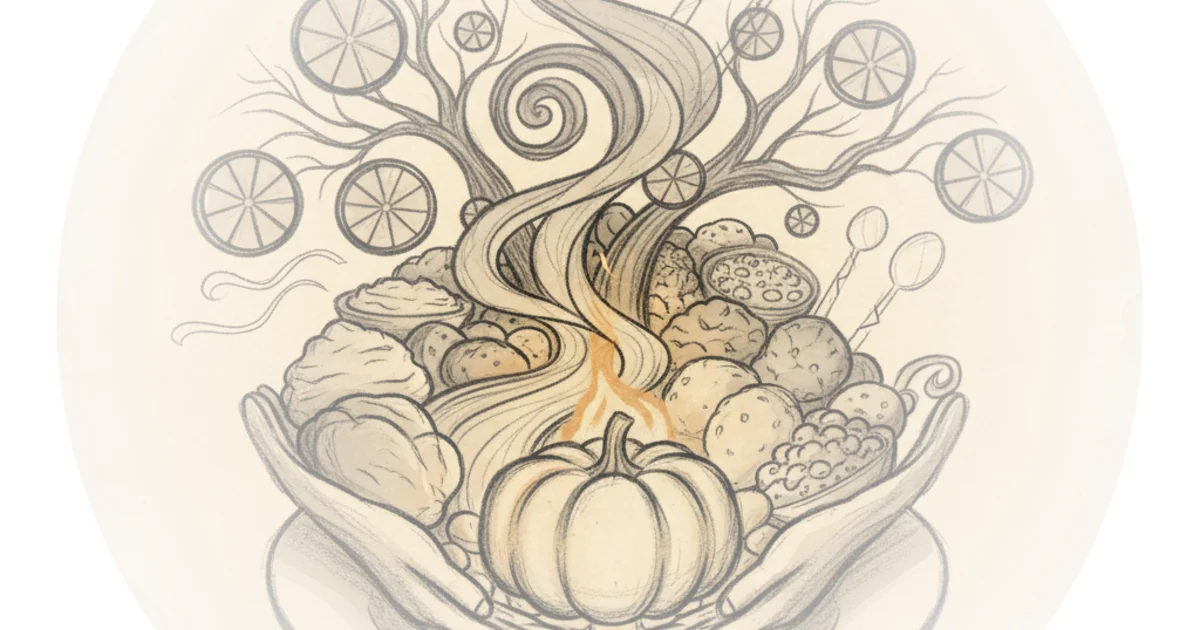
The author's logic is pragmatic. She suggests that because the "old sides" have little to no flexibility, the "new sides" become the venue for personal expression. "The opportunity to use crushed red pepper flakes or more lemon than your relatives think is necessary," Roman observes, highlighting how these dishes allow for a specific, personal voice to enter a room often governed by consensus. This approach lands because it validates the cook's desire to be creative without demanding they reinvent the entire menu. It acknowledges that while the family might demand a specific cranberry sauce, they are unlikely to revolt over a new vegetable preparation.
"These are what 'new sides' are for."
A Color-Coded Strategy for Balance
Moving from philosophy to strategy, Roman introduces a surprisingly simple heuristic for menu planning: the color rule. She posits that a successful spread requires a balance of "green" and "orange" vegetables. "Green tends to be fresher and punchy, orange tends to be sweeter and buttery," she explains, reducing complex flavor profiling to a visual checklist. This is an effective tool for the time-poor reader, offering a quick way to ensure the table looks and tastes dynamic without requiring a degree in gastronomy.
She applies this framework to specific dishes, elevating the humble green bean casserole. Rather than dismissing it as a relic, she reimagines it as a "celebration of mushrooms and green beans," noting it is "not too creamy, just rich enough." Similarly, her "Peppered Squash Gratin" is presented as a dish that works even for those who claim to dislike squash. "Even if you 'don't love squash,' this is hard not to love," she asserts, attributing its success to the "deeply savory, peppery, cheesy" profile that curbs the vegetable's natural sweetness. This demonstrates her core argument: flavor balance, not just ingredient selection, is the key to winning over skeptics.
Critics might note that Roman's insistence on specific color categories could feel prescriptive to cooks who prefer to cook by intuition or seasonal availability rather than a visual spectrum. However, her underlying point about the need for contrasting textures and flavors—"salty, crunchiness, chewiness"—remains sound regardless of the color scheme.
The Non-Negotiable Salad
Perhaps the most provocative claim in the piece is Roman's stance on salads. She does not offer a suggestion; she issues a mandate. "You need a salad on the table, sorry you do! Case closed forevermore," she declares. This absolute tone serves a specific purpose: it cuts through the hesitation that often leads to a table of only heavy, starch-laden dishes.
Roman argues that the salad provides a necessary counterweight to the richness of the main event. She describes her "Kale Salad with Honey'd Walnuts" as having a dressing so good she wants to "lick the bowl after," yet emphasizes that it is the fried, caramelized walnuts that make it a "new fall classic." By insisting on this element, she ensures the meal has a moment of "punchy" freshness. "While the ingredients here are just that, you could certainly add whatever moves you," she adds, showing that even within her strict rules, there is room for individual flair.
"You need a salad on the table, sorry you do! Case closed forevermore."
The Practical Magic of the Gratin
The piece culminates in a detailed breakdown of her "Peppered Squash Gratin," which she admits is a "shock to everyone including me." Roman is honest about the difficulty of the preparation, admitting, "The hardest part of the recipe is dealing with the squash — always a challenge no matter how skilled you are." This vulnerability builds trust with the reader; she is not selling a fantasy of effortless perfection but a realistic path to a delicious outcome.
She emphasizes the importance of technique over complexity, noting that once the squash is sliced, the rest is "impossible to mess up." The recipe relies on layering squash with parmesan, garlic, and "LOTS of pepper," then baking it in cream until caramelized. "The crushed garlic and salty parmesan really curb the sweetness of the squash," she explains, illustrating how the dish achieves its balance. Her advice to "please don't forget to add so much pepper" reinforces her earlier point about the freedom to be bold with seasoning.
Roman also addresses the reality of leftovers, noting the dish is "shockingly good cold" and could be warmed up with a fried egg the next morning. This practicality grounds the holiday fantasy in the reality of daily life, making the recipe feel useful beyond the single occasion.
Bottom Line
Alison Roman's argument succeeds because it reframes holiday cooking from a rigid performance of tradition into a flexible exercise in balance and personal taste. Her strongest move is the "new sides" concept, which empowers cooks to innovate without risking the stability of the meal. The piece's only vulnerability is its reliance on the availability of specific, sometimes difficult-to-prep vegetables like winter squash, which may still daunt the most time-strapped reader. Ultimately, the takeaway is clear: the best holiday tables are those that honor the classics while daring to add a little pepper and a lot of color.